
13 Shocking Reasons White Privilege Exists and How to Dismantle It

White privilege is a systemic advantage based on race, deeply embedded in society. Understanding its existence and finding ways to dismantle it is crucial for fostering equality. This article explores 13 reasons why white privilege exists, providing real scenarios and actionable steps to address and eliminate it.

1. Historical Foundations of Racism
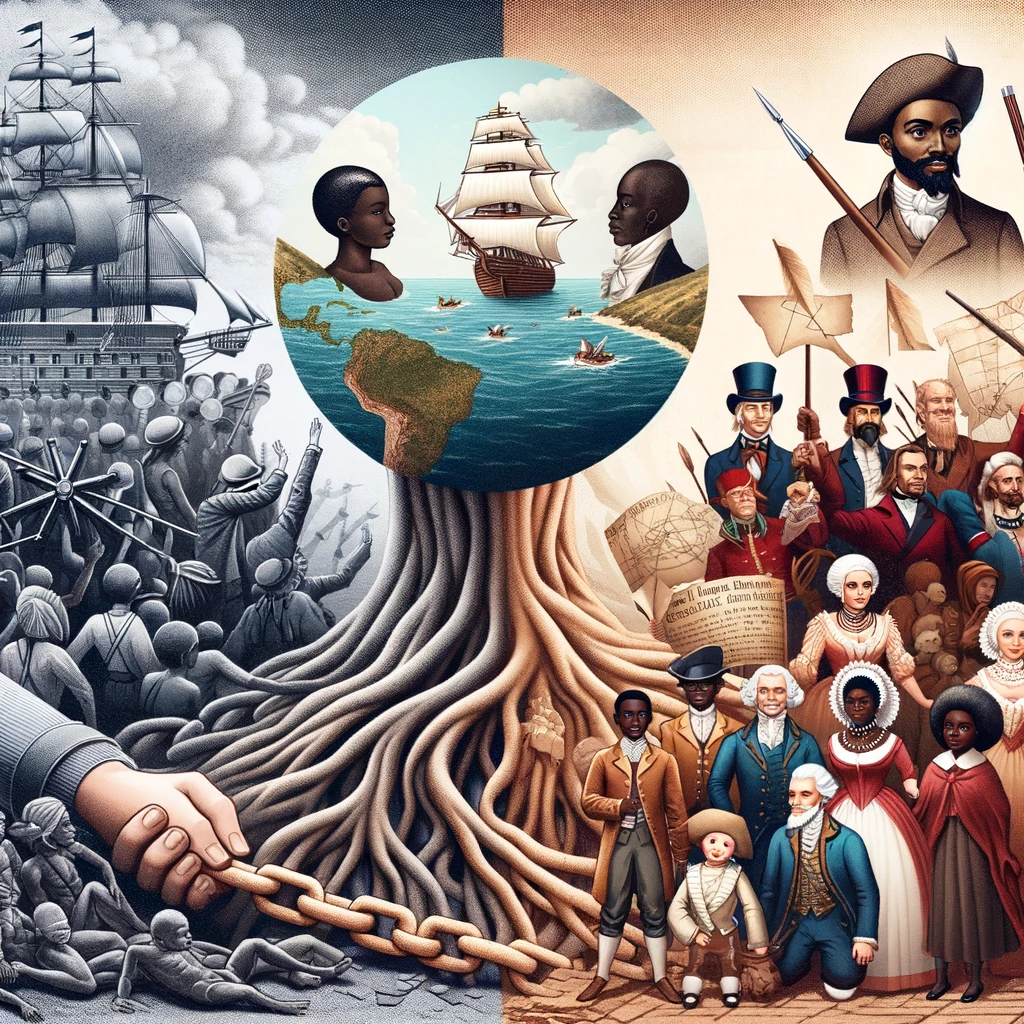
The roots of white privilege trace back to colonialism and slavery. These historical injustices have created long-lasting advantages for white people. Colonial powers implemented systems favoring whites, and these systems still influence society today. For instance, land ownership laws and economic structures established during colonial times favored white settlers, leading to generational wealth for white families. By educating ourselves and others about these historical foundations, we can begin to understand the depth of systemic racism and work toward its eradication.

2. Educational Disparities

White students often have better access to quality education. Schools in predominantly white areas receive more funding, leading to better facilities, resources, and opportunities. This educational advantage contributes to the perpetuation of white privilege. For example, well-funded schools can offer advanced placement courses, extracurricular activities, and modern technology, giving white students a significant head start. Addressing funding inequalities by advocating for policies that distribute educational resources more equitably can help level the playing field. Moreover, creating inclusive curriculums that reflect diverse histories and perspectives can foster a more understanding and equitable educational environment.

3. Employment Opportunities

White privilege manifests in hiring practices and workplace dynamics. White candidates often receive preferential treatment in hiring and promotions, while people of color face implicit biases and discrimination. This bias results in fewer opportunities for people of color to advance in their careers.  Implementing unbiased hiring practices, such as blind recruitment processes and diversity training, can help mitigate this issue. Additionally, promoting diversity and inclusion initiatives within the workplace can create a more equitable environment for all employees.

4. Housing and Neighborhoods

Housing policies have historically favored white people. Redlining and discriminatory lending practices have limited where people of color can live, resulting in segregated neighborhoods with differing levels of resources. For example, predominantly white neighborhoods often have better schools, lower crime rates, and more access to amenities. Enforcing fair housing laws and providing incentives for diverse, inclusive communities can help reduce these disparities. Additionally, addressing the legacy of discriminatory practices by investing in underserved neighborhoods can promote more equitable living conditions for all.

5. Criminal Justice System

The criminal justice system disproportionately targets people of color. White individuals are less likely to be stopped, searched, or arrested, and they often receive more lenient sentences. This systemic bias reinforces white privilege by creating a cycle of disadvantage for people of color. For example, the war on drugs has led to the mass incarceration of Black and Latino individuals for minor offenses. Reforming policing practices, such as implementing community policing and eliminating racial profiling, can help create a more just system. Ensuring fair legal representation and advocating for criminal justice reforms are also vital steps toward achieving justice.

6. Media Representation
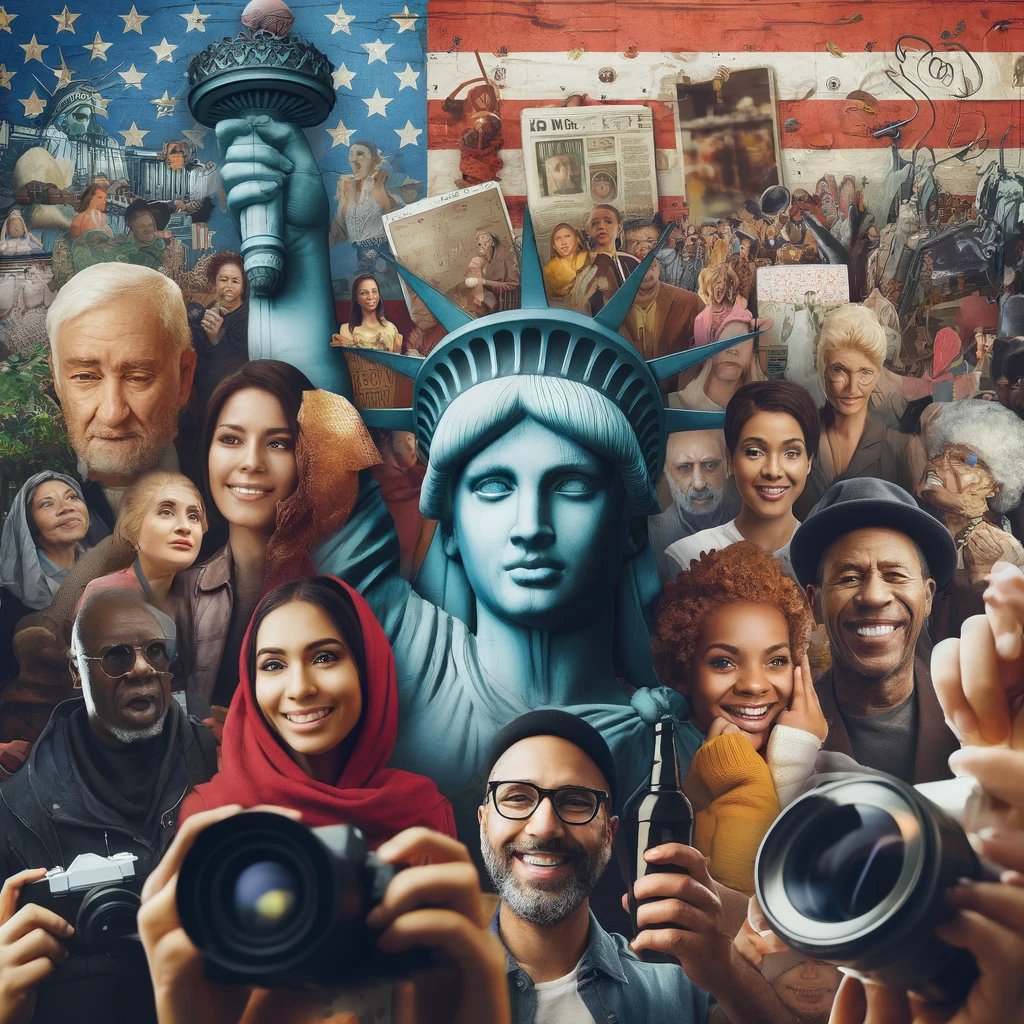
Media often portrays white people in a more favorable light, while stereotypical and negative portrayals of people of color reinforce societal biases. This disparity in representation contributes to the perpetuation of white privilege by shaping public perception and reinforcing harmful stereotypes. For instance, news coverage of crimes often disproportionately focuses on suspects of color, while positive achievements of white individuals are highlighted more frequently. Supporting media outlets and creators that prioritize diversity and inclusion can also help shift the narrative toward a more equitable portrayal of all communities.

7. Economic Inequality
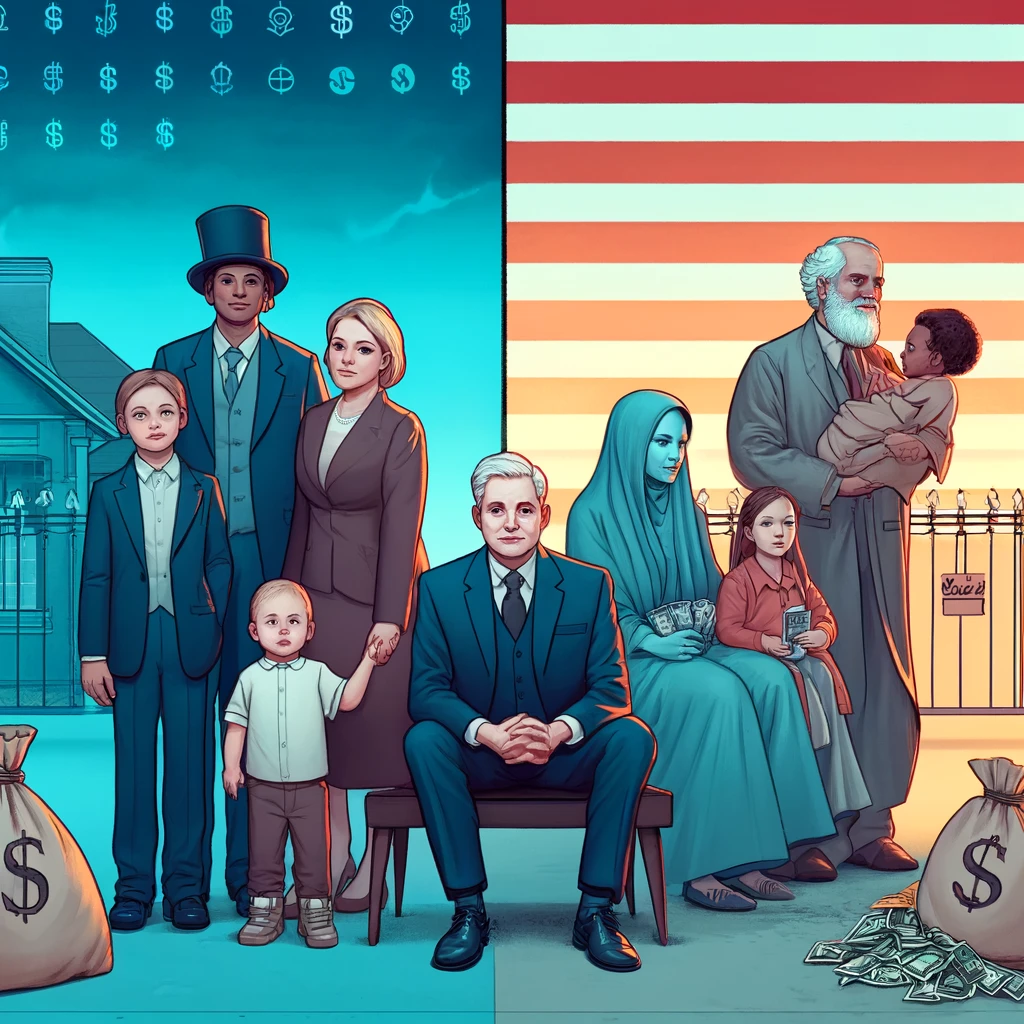
Economic systems favor white individuals through generational wealth and income disparities.  For example, homeownership rates are higher among white families, providing them with significant financial stability and opportunities to build wealth. Implementing policies to address income inequality, such as raising the minimum wage and providing affordable housing, can support marginalized communities. Additionally, creating economic programs that specifically aim to reduce racial wealth gaps, such as targeted business grants and investment in minority-owned businesses, is essential for fostering economic equity.

8. Healthcare Access

White individuals often receive better healthcare. Racial disparities in healthcare access and treatment result in poorer health outcomes for people of color. For example, Black women are more likely to die from childbirth-related complications compared to white women. Addressing these disparities through policy changes, such as expanding healthcare coverage and increasing funding for community health centers, can improve healthcare equity. Additionally, promoting cultural competency training for healthcare providers can ensure more equitable treatment for all patients, regardless of their race or ethnicity.

9. Political Influence

White individuals hold disproportionate political power, resulting in policies that favor white interests and maintain the status quo. For instance, predominantly white political representation can lead to the creation of laws that do not consider the needs of diverse communities. Encouraging diverse political representation and advocating for equitable policies can shift this balance. Supporting candidates from underrepresented backgrounds and promoting civic engagement within marginalized communities can help create a more inclusive political landscape.

10. Cultural Norms
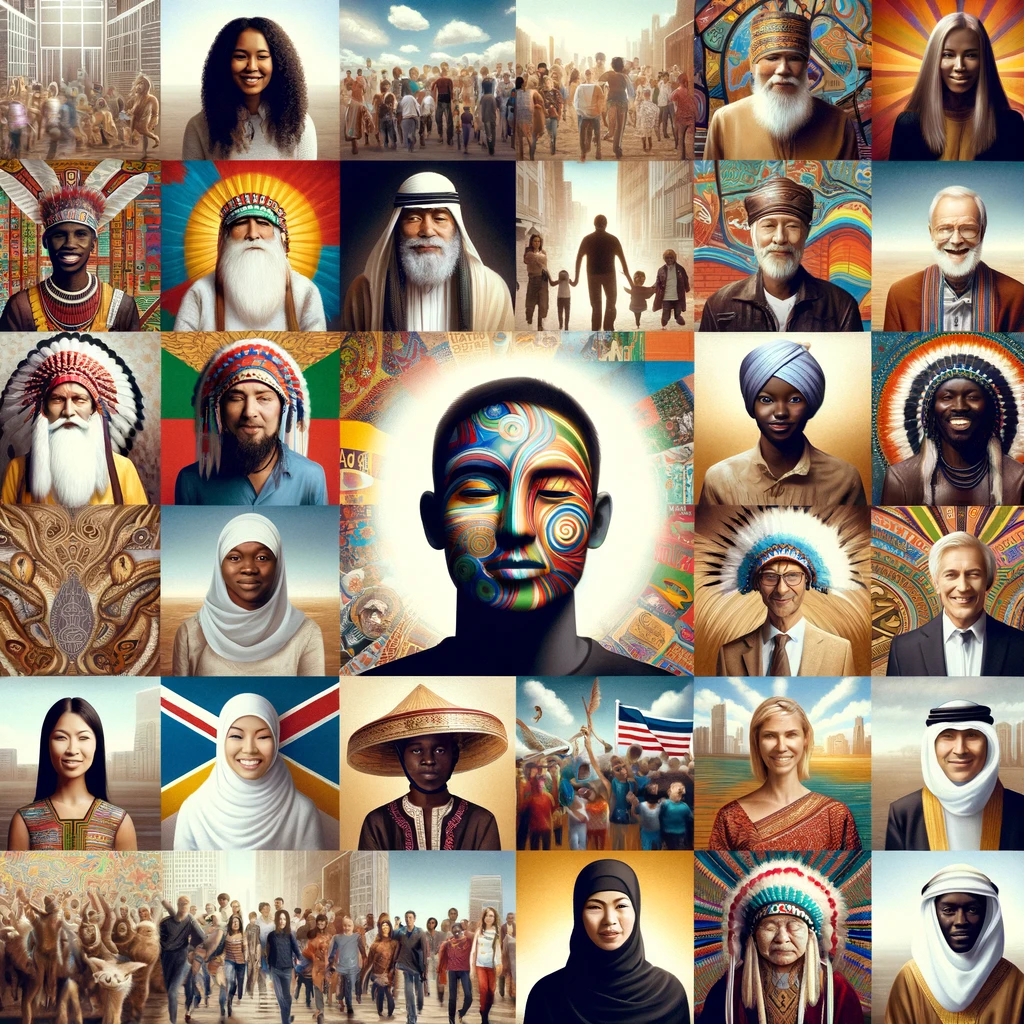
Societal norms often center around white culture, marginalizing other cultural expressions. This cultural dominance perpetuates white privilege by setting standards that prioritize whiteness. For example, beauty standards in many societies often favor traits associated with white individuals, such as lighter skin and straight hair. Promoting multiculturalism and inclusivity in societal norms can help challenge this privilege. Encouraging the celebration of diverse cultures and creating platforms for marginalized voices can foster a more inclusive and equitable society.

11. Microaggressions

Everyday interactions often reflect underlying racial biases. Microaggressions, subtle discriminatory comments or actions, reinforce white privilege by perpetuating negative stereotypes and marginalizing people of color. For example, comments like “You speak English so well” can imply that being fluent in English is unexpected for a person of color. Educating people about microaggressions and encouraging respectful communication can reduce their prevalence. Providing diversity and inclusion training in schools and workplaces can also help create environments where microaggressions are less likely to occur.

12. Legal Protections

Laws and regulations have historically protected white interests, often failing to adequately protect the rights of people of color. For example, voter ID laws and gerrymandering disproportionately affect communities of color, limiting their political power. Advocating for legal reforms that ensure equal protection and justice for all is crucial. Supporting organizations that fight for civil rights and working towards policy changes that address systemic inequalities can help create a more just legal system.

13. Social Networks

White individuals often have more influential social networks, providing opportunities and support that are less accessible to people of color. For example, professional networks can play a significant role in job opportunities and career advancement. Building inclusive social networks and supporting diverse communities can help bridge this gap. Encouraging mentorship programs and creating networking opportunities for marginalized groups can promote a more equitable distribution of social capital.

Stand Up, Speak Out, and Dismantle White Privilege

White privilege is deeply rooted in various aspects of society. Acknowledging its existence and actively working to dismantle it is essential for achieving equality. By addressing the reasons behind white privilege and implementing practical solutions, we can move towards a more just and equitable society. Each step taken towards understanding and combating white privilege is a step towards a fairer world for everyone.

Read More

15 Things Gen Z Says Are Inclusive That Actually Might Be Divisive

What’s The Difference Between Blue Collar and White Collar?

Top 5 Richest Actors in the World: A Look at Their Jaw-Dropping Net Worth

The Top 5 Richest Actors in the World A Look at Their Jaw-Dropping Net Worth

Canva

Ever wondered who the richest actors in the world are? These stars have not only captivated audiences with their performances but have also amassed jaw-dropping fortunes through smart business ventures and investments. From Bollywood royalty to Hollywood legends, let’s dive into the impressive net worths of the top 5 richest actors and see what makes them stand out in the glamorous world of entertainment.

1. Shah Rukh Khan

Shah Rukh Khan, often referred to as the “King of Bollywood,” has an estimated net worth of $750 million. With a career spanning over three decades, he has starred in more than 80 Bollywood films. Beyond acting, Khan has built an empire through his production company, Red Chillies Entertainment, and his ownership stake in the Kolkata Knight Riders, an IPL cricket team. His global fan base and successful business ventures have solidified his status as one of the richest actors in the world. Khan’s charisma and business acumen continue to keep him at the forefront of the industry.

2. Tom Cruise

Tom Cruise, a Hollywood icon, boasts a net worth of approximately $600 million. Known for his roles in blockbuster franchises like “Mission: Impossible” and “Top Gun,” Cruise’s career is marked by box office hits and critical acclaim. His dedication to performing his own stunts has earned him a reputation for being one of the most committed actors in the industry. Cruise also co-owns the production company Cruise/Wagner Productions, which has produced many of his successful films. His enduring popularity and business ventures make him one of the richest actors in the world.

3. George Clooney

George Clooney

Wikimedia Commons

George Clooney’s net worth is estimated to be around $500 million, thanks to his diverse career and savvy business moves. Clooney has starred in numerous successful films, including “Ocean’s Eleven and “Gravity, and has won several awards for his acting and directing. Beyond Hollywood, Clooney co-founded Casamigos Tequila, which was sold for up to $1 billion, significantly boosting his wealth. His involvement in various humanitarian efforts and his charm have made him a beloved figure worldwide. Clooney’s multifaceted career and smart investments have cemented his place among the richest actors in the world.

4. Mel Gibson

Mel Gibson, with a net worth of approximately $425 million, is known for his work both in front of and behind the camera. Gibson gained fame through acting roles in movies like “Mad Max and “Lethal Weapon, but his success as a director with films like “Braveheart and “The Passion of the Christ significantly contributed to his wealth. Despite controversies, Gibson’s films have been major box-office successes, and he continues to work in the industry. His production company, Icon Productions, has also been a significant source of income. Gibson’s multifaceted career has earned him a spot among the richest actors in the world.

5. Robert De Niro

Robert De Niro

Wikimedia Commons

With a net worth of about $500 million, Robert De Niro is a legendary figure in the acting world. De Niro’s career, spanning over five decades, includes iconic roles in films like “Taxi Driver,“Raging Bull, and “The Godfather Part II. In addition to his acting prowess, De Niro co-founded the Tribeca Film Festival, which has become a major event in the industry. He also has significant real estate investments and co-owns several high-end restaurants, including the Nobu chain. De Niro’s enduring talent and business ventures have made him one of the richest actors in the world.

Richest Actors in the World and Their Pinnacle of Success

These top 5 richest actors in the world have not only achieved incredible success in their acting careers but have also made savvy business decisions that have significantly boosted their net worth. Their impressive wealth showcases the rewards of talent, hard work, and smart investments. As they continue to entertain and inspire, their legacies in both film and business remain unmatched.

Celebrity Investments: 10 Smart Financial Moves of the Stars

Celebrity Investments

Canva

Celebrities are known for their lavish lifestyles, but many stars are also savvy investors. Their smart financial moves have helped them build wealth and secure their futures. This article will explore some of the best celebrity investments and the strategies behind their success.

1. Real Estate Ventures

Many celebrities invest in real estate to grow their wealth. For example, Ellen DeGeneres has made millions buying and selling luxury homes. Real estate offers a tangible asset that often appreciates over time. Stars like Oprah Winfrey also diversify their property portfolios across various locations. This approach not only increases their net worth but also provides a stable income through rental properties.

2. Tech Startups

Investing in tech startups has become a popular trend among celebrities. Ashton Kutcher is a prime example, having invested early in companies like Uber and Airbnb. These celebrity investments can yield significant returns if the startup succeeds. Jessica Alba also made a smart move by co-founding The Honest Company, a consumer goods startup. By leveraging their influence, celebrities can help these companies grow while benefiting financially.

3. Fashion and Beauty Brands

Launching or investing in fashion and beauty brands is another lucrative option for stars. Rihanna’s Fenty Beauty revolutionized the industry with its inclusive range of products. Similarly, Jessica Simpson built a billion-dollar fashion empire. These celebrity investments allow superstars to capitalize on their personal brands and loyal fan bases. Successful brands generate substantial revenue and establish long-term wealth.

4. Food and Beverage Industry

Celebrities often invest in the food and beverage industry, creating popular products and brands. George Clooney co-founded Casamigos Tequila, which sold for $1 billion. Investments in this sector can be highly profitable, as seen with Ryan Reynolds’ Aviation Gin. From restaurants to drink brands, these ventures diversify their income streams. Stars use their fame to market these products effectively.

5. Sports Teams

Jay-Z

Wikimedia Commons

Owning or investing in sports teams is a prestigious and profitable venture for celebrities. Jay-Z’s investment in the Brooklyn Nets significantly increased his wealth. Stars like LeBron James also invest in sports franchises and related businesses. These investments can appreciate value and provide steady returns. Additionally, they offer celebrities a chance to engage with their passions and fan communities.

6. Environmental and Sustainable Projects

Eco-friendly investments are gaining popularity among stars. Leonardo DiCaprio is known for his environmental activism and investments in sustainable businesses. Companies focusing on green energy, recycling, and conservation attract celebrity investors. These projects align with their personal values and offer long-term growth potential. Supporting sustainable ventures helps celebrities make a positive impact while securing their financial future.

7. Media and Entertainment Ventures

Investing in media and entertainment allows celebrities to expand their influence and income. Reese Witherspoon’s production company, Hello Sunshine, produces hit movies and TV shows. Stars like Will Smith also create their own content platforms. These ventures leverage their industry experience and connections. Media investments can be highly lucrative and enhance their public profiles.

8. Cryptocurrency and Blockchain

Maisie Williams

Wikimedia Commons

Cryptocurrency has become a popular celebrity investment. Stars like Gwyneth Paltrow and Maisie Williams have invested in Bitcoin and other digital currencies. These assets offer high returns but come with significant risk. Blockchain technology also attracts celebrity investors due to its potential for innovation. By diversifying into digital assets, celebrities aim to capitalize on the future of finance.

9. Health and Wellness Industry

The health and wellness industry offers numerous investment opportunities for celebrities. Gwyneth Paltrow’s lifestyle brand, Goop, focuses on wellness products and content. Investments in fitness startups, organic foods, and wellness apps are common. This industry aligns with the growing trend of healthy living. Celebrities use their platforms to promote these ventures, driving their success.

10. Charity and Philanthropy

While not a traditional investment, philanthropy is a crucial part of many celebrities’ financial strategies. Stars like Taylor Swift and Beyoncé donate significant sums to various causes. Philanthropic efforts can enhance their public image and provide tax benefits. Charitable foundations and donations also allow celebrities to support important issues. Balancing wealth accumulation with giving back creates a positive legacy.

Celebrity Investments: The Star-Studded Path to Wealth

Celebrity Investments The Star-Studded Path to Wealth

Canva

Celebrity investments showcase the diverse ways stars grow their wealth. From real estate to tech startups, these smart financial moves highlight the importance of diversification and leveraging personal brands. By exploring various industries and opportunities, celebrities build substantial, lasting wealth. Their investment strategies offer valuable lessons for anyone looking to achieve financial success.

14 Eye-Opening Reasons Why Many Are Opting Out of the Workforce

In recent years, there’s been a noticeable trend: a significant number of people are opting out of the workforce. This shift has profound implications for the economy and society. From financial independence to mental health, the reasons are diverse and often surprising. Here are 14 insights into why this is happening.

1. Financial Independence

Many people have achieved financial independence, allowing them to leave the workforce. Early investments, successful businesses, or inheritance provide a safety net. This financial freedom enables individuals to pursue passions and interests without the stress of maintaining a job. With enough savings or passive income, the necessity of a traditional job diminishes, leading to a life focused more on personal goals and less on financial obligations.

2. Mental Health Awareness

The growing awareness of mental health issues has led many to prioritize their well-being over work. Long hours, high-stress levels, and demanding work environments contribute to burnout and anxiety. Opting out of the workforce can be a necessary step towards better mental health. By stepping back from work, individuals can focus on self-care, therapy, and activities that promote mental wellness, leading to a more balanced and fulfilling life.

3. Family Care Responsibilities

Caring for children or elderly parents is a significant factor in the decision to leave the workforce. Many find it challenging to balance work and family life, especially when care demands are high. Leaving the workforce allows individuals to devote the necessary time and attention to their loved ones. This shift not only ensures better care for family members but also reduces the stress and guilt associated with juggling both work and family responsibilities.

4. Pursuing Education

Some individuals leave their jobs to further their education. Advanced degrees or new skills can open up better career opportunities in the future. This investment in self-improvement often requires a temporary departure from the workforce. By focusing on studies, individuals can enhance their knowledge and expertise, making them more competitive in the job market and potentially leading to more fulfilling career paths.

5. Entrepreneurship

The allure of entrepreneurship is strong. Many leave traditional jobs to start their businesses. The desire to be one’s boss and pursue personal passions drives this decision. Entrepreneurship offers the potential for greater control over one’s work and life, as well as the opportunity to build something unique. While it comes with risks, the rewards of creating a successful business can be highly motivating.

6. Remote Work Challenges

While remote work has benefits, it also has challenges. Some find the lack of social interaction and blurred work-life boundaries overwhelming. The isolation of remote work can lead to feelings of loneliness and disconnection. Opting out of the workforce can be a solution for those struggling with these aspects of remote work. By stepping away, they can seek more balanced and fulfilling lifestyles.

7. Early Retirement

Early retirement is becoming more common. With careful financial planning, some people can afford to retire early. This allows for more leisure time and the pursuit of hobbies and interests that were previously sidelined due to work commitments. Early retirees often find joy in exploring new activities, traveling, or simply enjoying a slower pace of life.

8. Health Issues

Chronic health conditions can make it difficult to maintain a full-time job. The demands of a job can exacerbate health problems, leading to a decline in overall well-being. Opting out of the workforce allows individuals to focus on their health and well-being. By prioritizing their health, they can engage in treatments, rest, and activities that promote recovery and a better quality of life.

9. Travel and Adventure

The desire to travel and experience new cultures is a powerful motivator. Some choose to leave their jobs to explore the world, seeking adventure and personal growth. Traveling full-time or for extended periods allows individuals to immerse themselves in different cultures, learn new languages, and gain unique experiences. This lifestyle can be deeply enriching and transformative.

10. Dissatisfaction with Work

Job dissatisfaction is a major reason people opt out of the workforce. Toxic work environments, lack of growth opportunities, and poor management contribute to this decision. When job satisfaction is low, it can lead to significant stress and unhappiness. Leaving the workforce provides an escape from these negative environments and opens up possibilities for finding more fulfilling and positive experiences.

11. Volunteering and Philanthropy

Many are drawn to volunteer work and philanthropy. The fulfillment from helping others and contributing to society can outweigh the benefits of a traditional job. Engaging in volunteer work allows individuals to make a meaningful impact on their communities and the world. This sense of purpose and contribution can be incredibly rewarding and satisfying.

12. Technological Advancements

Automation and technology are changing the job landscape. Some find their skills are no longer needed, prompting them to leave the workforce and explore other interests. The rise of AI and automated systems can lead to job displacement, making traditional roles obsolete. This shift pushes individuals to adapt and find new ways to contribute and thrive outside the conventional workforce.

13. Cultural Shifts

Cultural shifts in values and priorities are also at play. There’s a growing emphasis on quality of life, work-life balance, and personal fulfillment over traditional career success. Society is increasingly valuing experiences, relationships, and well-being over material achievements. This cultural change encourages individuals to pursue lifestyles that prioritize happiness and health over career progression.

14. Alternative Lifestyles

Some opt for alternative lifestyles that don’t align with traditional employment. This includes homesteading, minimalism, and sustainable living, which often require leaving the workforce. These lifestyles focus on self-sufficiency, simplicity, and a closer connection to nature. By stepping away from conventional jobs, individuals can fully embrace these alternative ways of living.

Rethinking Work and Life Balance

Opting out of the workforce is a multifaceted trend influenced by various factors. From financial independence to personal fulfillment, the reasons are deeply personal and varied. Understanding these insights helps us grasp the broader societal shifts at play. As more people prioritize well-being, family, and personal growth, the traditional concept of work is being redefined.

Read More

5 In-Demand Careers to Consider Switching to in 2024

How to Help Your Employees Find an Ideal Work-Life Balance