10 Celebrities Who Became Millionaires Through Smart Investments

Hollywood

123rf

While many celebrities amass considerable wealth through their primary careers in entertainment, some have taken their fortunes to new heights through savvy investments. These stars have leveraged their fame and financial acumen to create substantial wealth beyond their initial earnings. Their smart financial decisions and strategic investments have transformed them into successful entrepreneurs and investors. Here are ten celebrities who became millionaires through astute investments, showcasing the power of smart financial planning.

1. Ashton Kutcher: Tech Visionary

Ashton Kutcher

wikimedia

Ashton Kutcher is well-known for his acting career, but his investment portfolio has also garnered significant attention. Kutcher co-founded the venture capital firm A-Grade Investments, which has backed successful startups like Uber, Airbnb, and Spotify. His early investments in these tech giants have paid off handsomely, transforming him into a prominent figure in Silicon Valley. Kutcher’s knack for identifying promising tech companies has significantly boosted his net worth. His success in the tech world showcases the potential of diversifying one’s investment portfolio beyond traditional entertainment earnings.

2. Jessica Alba: The Honest Entrepreneur

Jessica Alba

wikimedia

Jessica Alba transitioned from Hollywood to the business world with the launch of The Honest Company in 2011. The company, which focuses on eco-friendly and non-toxic household products (specifically diapers and baby products), quickly gained popularity and success. Alba’s stake in The Honest Company has made her a multimillionaire, with the company’s valuation soaring over the years. Her ability to leverage her celebrity status to build a brand that resonates with consumers highlights the power of smart business decisions. Alba’s entrepreneurial journey is a testament to how celebrities can achieve financial success through strategic business ventures.

3. George Clooney: Liquor Legend

George Clooney

wikimedia

George Clooney co-founded the tequila brand Casamigos with friends Rande Gerber and Mike Meldman in 2013. Originally intended as a private collection for friends and family, the brand grew rapidly in popularity. In 2017, Casamigos was sold to Diageo for up to $1 billion, making Clooney one of the highest-paid actors not for his films but for his business acumen. Clooney’s venture into the spirits industry showcases the lucrative potential of celebrity-endorsed brands. His success with Casamigos underscores the value of investing in passion projects that align with personal interests.

4. Beyoncé: The Queen of Investments

Beyonce

wikimedia

Beyoncé has made several strategic investments that have significantly increased her wealth. She invested in the popular beverage company WTRMLN WTR and the vegan meal delivery service 22 Days Nutrition. Additionally, Beyoncé holds a stake in the music streaming service Tidal, which was acquired by Square, Inc. Her diverse investment portfolio demonstrates her keen business sense and ability to spot profitable opportunities. Beyoncé’s investments go beyond her music career, solidifying her status as a savvy businesswoman. Her financial acumen has played a crucial role in her continued success and wealth accumulation.

5. Oprah Winfrey: Media Mogul and Beyond

Oprah

wikimedia

Oprah Winfrey’s investments extend far beyond her media empire. She has a significant stake in Weight Watchers (now WW International) and has also invested in the health food brand True Food Kitchen. Winfrey’s strategic investments have not only diversified her portfolio but also aligned with her personal brand and values. Her investment in Weight Watchers, in particular, saw a substantial return as the company’s stock surged following her endorsement. Oprah’s investment strategy highlights the importance of aligning investments with one’s personal brand and expertise.

6. Robert Downey Jr.: Sustainable Innovator

Robert Downey Jr

wikimedia

Robert Downey Jr. has used his wealth to invest in sustainable technology through his FootPrint Coalition, which aims to support companies focused on environmentally friendly innovations. Downey’s interest in sustainable tech aligns with his advocacy for environmental causes and positions him as a forward-thinking investor. His investments in this sector demonstrate a commitment to future-oriented industries that promise growth and positive impact. Downey’s strategic focus on sustainability showcases the potential of aligning investments with global trends and personal values.

7. Ellen DeGeneres: Real Estate Savvy

Ellen

wikimedia

Ellen DeGeneres has turned her passion for real estate into a profitable venture. She and her wife, Portia de Rossi, have bought, renovated, and sold numerous high-end properties, earning substantial profits. DeGeneres’s keen eye for design and market trends has made her a successful real estate investor. Her ability to transform properties and sell them at a premium highlights the lucrative potential of the real estate market. DeGeneres’s real estate investments exemplify how celebrities can leverage their interests and expertise to build wealth.

8. Shaquille O’Neal: Business Behemoth

Shaq

wikimedia

Shaquille O’Neal’s investment portfolio is as impressive as his basketball career. O’Neal has invested in various businesses, including a significant stake in Google’s pre-IPO shares, and has ownership in numerous franchises such as Five Guys, Auntie Anne’s, and Papa John’s. His diverse investments and strategic partnerships have significantly boosted his net worth. O’Neal’s business ventures demonstrate the importance of diversification and smart risk-taking in building a substantial fortune. His success off the court showcases the potential of strategic investments in various industries.

9. Serena Williams: Venture Capitalist

Serena

wikimedia

Serena Williams launched her own venture capital firm, Serena Ventures, which focuses on early-stage companies and has invested in over 30 startups. Her portfolio includes investments in tech companies, consumer goods, and health and wellness brands. Williams’s approach to investing emphasizes diversity and supporting companies led by women and minorities. Her success in venture capital underscores the potential of using one’s platform to support innovative and inclusive businesses. Williams’s investments reflect her commitment to fostering positive change while achieving financial success.

10. Will Smith: Diverse Portfolio
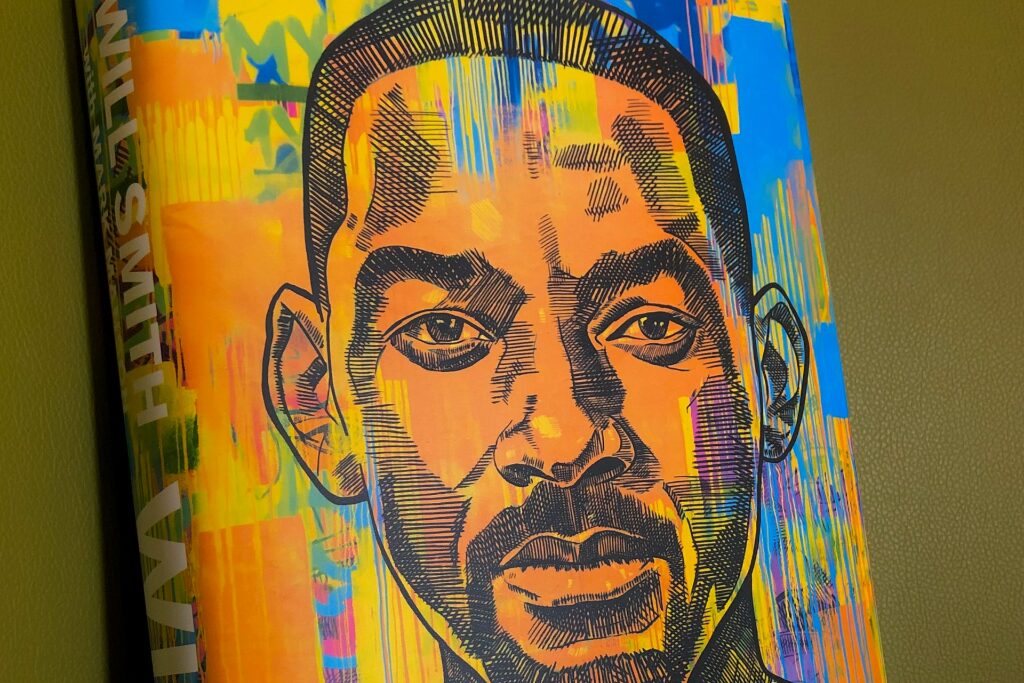
Will Smith

unsplash

Will Smith has diversified his income through various smart investments. He co-founded the multimedia venture Overbrook Entertainment and has invested in numerous tech startups, including a stake in the e-sports organization Gen.G. Smith’s ability to identify and invest in emerging trends has significantly increased his wealth. His investment strategy highlights the importance of staying ahead of market trends and exploring new industries. Smith’s diverse investment portfolio exemplifies how celebrities can expand their financial success beyond their primary careers.

Learn from These A-Listers

Hollywood Blvd

123rf

These ten celebrities have demonstrated that smart investments can significantly amplify their wealth, often exceeding the earnings from their primary careers. Their success stories underscore the importance of diversification, strategic risk-taking, and aligning investments with personal values and emerging trends. By leveraging their financial acumen and making informed decisions, they have set a powerful example of how to build lasting wealth beyond the spotlight.
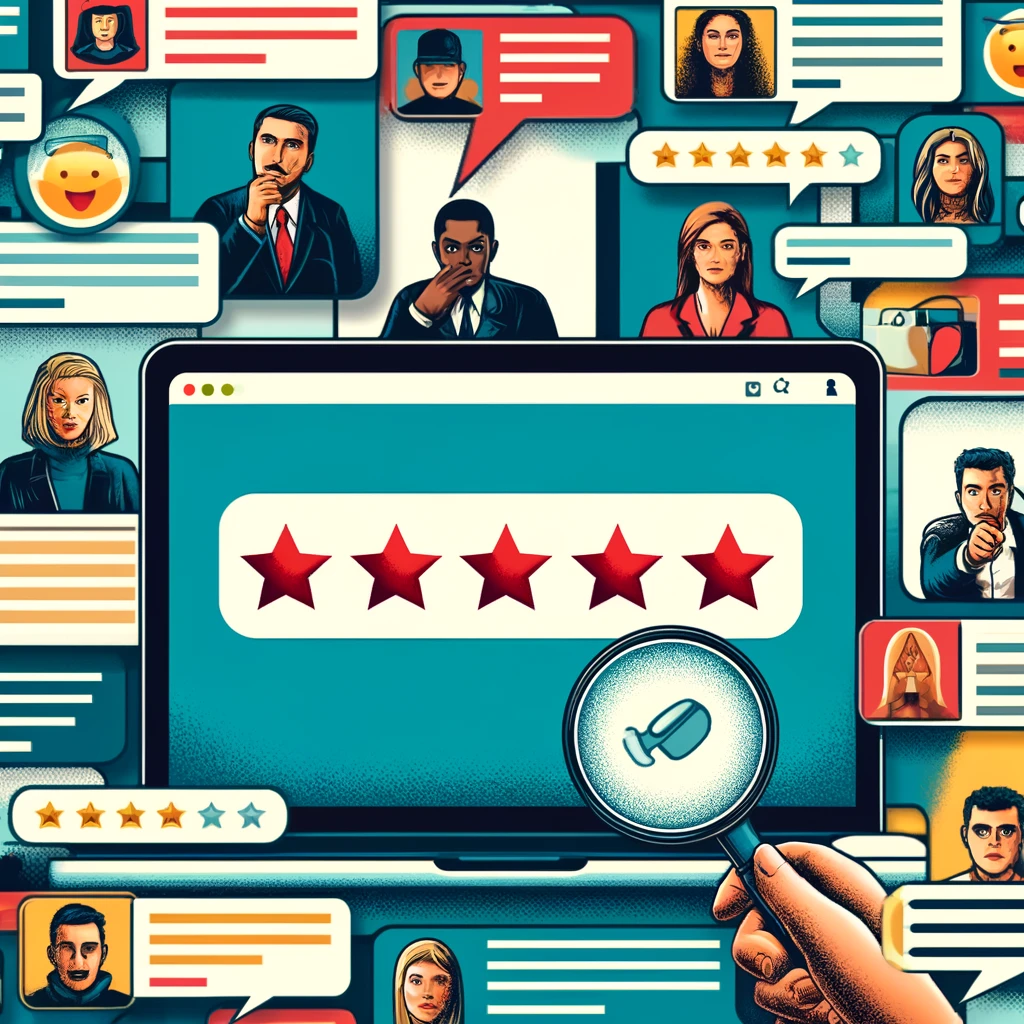

Review Lies: 12 Clues That You’re Reading Fake Online Reviews


In today’s digital age, online reviews play a crucial role in our purchasing decisions. However, not all reviews are genuine. The rise of fake online reviews has made it challenging to differentiate between real feedback and fabricated praise. In this article, we’ll explore 12 clues that can help you identify fake online reviews and make smarter choices.

1. Overly Positive Language

Fake online reviews often use excessively positive language that seems too good to be true. Phrases like “absolutely perfect” and “best purchase ever” are red flags. Genuine reviews typically have a balanced tone, mentioning both the pros and cons of a product. Be cautious of reviews that sound more like advertisements than personal experiences. Overly positive language can be a strong indicator of fake online reviews.

2. Generic Descriptions

Reviews that lack specific details about the product or service are often fake. Genuine reviewers provide context and specifics, such as the color, size, or features they liked or disliked. Vague comments like “great product” should raise suspicion. Detailed and personalized reviews are more likely to be authentic. Always look for reviews that give you a clear picture of the user experience.

3. Repetitive Phrases

Be wary of reviews that use repetitive phrases. Fake reviewers often copy and paste the same sentences across multiple reviews. Look for patterns in language and structure that might indicate a lack of originality. This repetition can be a sign of automated or bulk-generated reviews. Genuine reviews usually have unique expressions and varied vocabulary.

4. Extreme Ratings

Fake online reviews tend to have either 5-star or 1-star ratings. Real reviews usually present a mix of ratings, reflecting diverse opinions and experiences. An abundance of extreme ratings may suggest manipulation. A balanced distribution of ratings indicates a more authentic set of reviews. Pay attention to the overall rating trends behind a profile and the reasons behind the ratings.

5. Unverified Purchases

Make sure to verify if the review is from a legitimate purchase. For example, on platforms like Amazon, reviews from verified buyers have a special mark. Reviews lacking this mark might be less reliable. It’s important to give more weight to feedback from verified customers. Verified purchase reviews provide an additional level of trustworthiness, showing that the reviewer has purchased and used the product.

6. Reviewer Profiles

Examine the reviewer’s profile. Fake reviewers often have incomplete profiles with few details and a limited review history. Authentic reviewers typically have detailed profiles and a history of varied reviews. Look for reviewers who have reviewed multiple products over time. A robust reviewer profile adds credibility to their feedback.

7. Similar Writing Styles

If multiple reviews for a product have a similar writing style, they might be fake. Consistency in language, tone, and structure across different reviews can indicate that they were written by the same person or group. Diverse writing styles among reviews suggest genuine feedback from different individuals. Pay attention to the uniqueness of each review’s voice.

8. Review Timing

Pay attention to the timing of the reviews. A sudden influx of reviews within a short period might suggest they were solicited or fabricated. Genuine reviews usually appear sporadically. Consistent review activity over a longer period is more trustworthy. Be cautious of products that receive a flood of reviews in a very short timeframe.

9. Language That Seems Machine-Generated

Sometimes, fake reviews are generated by bots. Look for language that seems robotic or unnatural. Phrases that don’t quite fit or sentences that seem awkward can be indicators. Authentic reviews typically have a natural flow and are easy to read. Machine-generated text often lacks the nuances of human expression and can be a sign of fake reviews.

10. Emotional Language

Fake reviews sometimes use exaggerated emotional language to sway readers. Look out for overly dramatic expressions of joy or dissatisfaction. Genuine reviews are more measured and realistic in their tone. Extreme emotions in reviews can be a tactic to manipulate potential buyers. Trust reviews that express balanced and reasonable sentiments.

11. Inconsistent Information

Inconsistencies within the review can indicate it’s fake. For instance, if a reviewer praises the fast delivery but mentions a delayed shipment later, it raises questions about the review’s authenticity. Consistent and coherent information is a hallmark of genuine reviews. Always cross-check details within the review to ensure they align.

12. Unnatural Review Distribution

Analyze the distribution of ratings. If a product has an unnatural distribution, such as a high number of 5-star ratings with few 3 or 4-star reviews, it might be a sign of review manipulation. Genuine reviews show a more balanced distribution. A natural rating curve usually includes a mix of high, medium, and low ratings. Look for products with varied feedback to get a true sense of their quality.

Spot Fake Reviews Like a Pro!

In a world where fake online reviews are prevalent, being able to identify them is crucial. By following these clues, you can protect yourself from deceptive practices and make better purchasing decisions. Always be skeptical, do your research, and trust your instincts. Happy shopping!

Read More

12 Things You Want to Know About AI, But Are Afraid To Ask

How to Become Debt-Free: 10 Tips That Work

11 Hilarious Signs That Nailed Their Message

sign

pixabay

When it comes to conveying a message, some signs hit the nail on the head with perfect precision. Whether they’re witty, clever, or downright hilarious, these signs capture attention and leave a lasting impression on everyone who encounters them. They demonstrate that humor can be a powerful tool in communication, turning mundane warnings and notices into memorable moments. Let’s dive into 11 hilarious signs that absolutely nailed their message, proving that a good laugh can make even the most ordinary information unforgettable.

1. “Caution: This Sign Has Sharp Edges. Do Not Touch the Edges of This Sign.”

Cut thumb

123rf

Safety signs are typically serious and straightforward, but this one decided to take a humorous twist. Instead of the usual warnings, it cheekily advises caution about its own edges. It’s a clever play on the concept of warning signs and leaves observers chuckling. This sign effectively captures attention by turning an ordinary cautionary message into a memorable joke. The humor ensures that people actually notice and read the sign, which is the ultimate goal.

2. “If You See Someone Drowning, LOL.”

Lifeguard

123rf

At first glance, this sign might seem alarmingly insensitive, but it’s actually a clever use of acronyms. In this context, “LOL” stands for “Loudly Obey Lifeguard,” urging people to listen to the lifeguards’ instructions in case of an emergency. This playful sign stands out among the typical beach warnings, making people laugh and think simultaneously. By using humor, it ensures that the important message of water safety isn’t ignored.

3. “Do Not Breathe Under the Water.”

Pool

123rf

This sign, commonly found at swimming pools, takes a straightforward yet amusing approach to a well-known fact. While everyone knows that breathing underwater is impossible, the sign’s blunt reminder is both humorous and eye-catching. It cleverly reinforces an essential safety rule in a way that makes people smile. This light-hearted approach ensures the message sticks, making it both effective and memorable. The humor transforms a basic safety reminder into an engaging and unforgettable notice.

4. “Unattended Children Will Be Given an Espresso and a Free Puppy.”

Unattended child

123rf

At a café or store, this sign offers a tongue-in-cheek solution to the issue of unattended children. By humorously suggesting that children left alone will be given espresso and a puppy, it exaggerates the consequences in a playful manner. This clever warning grabs attention and clearly communicates to parents the importance of supervising their kids. The exaggerated consequence is not only funny but also serves as a memorable reminder. The humor effectively captures the message: watch your kids closely.

5. “Bathroom Closed. Please Use the Trees.”

Closed bathroom

123rf

This sign, likely seen at a park or outdoor venue, employs humor to inform visitors about a closed restroom. Instead of the usual straightforward notice, it whimsically suggests using the trees, a clearly unrealistic alternative. This unexpected twist grabs attention and makes the message stand out. The playful tone helps soften the inconvenience of a closed bathroom, turning a potential annoyance into a humorous moment. This light-hearted approach ensures the message is noticed and remembered.

6. “Trespassers Will Be Prosecuted. Survivors Will Be Prosecuted Again.”

Trespassing

123rf

Using dark humor, this sign emphasizes the seriousness of trespassing with a sharp wit. By stating that not only will trespassers be prosecuted, but survivors will face prosecution again, it delivers its message with a memorable punchline. This exaggeration is both amusing and effective, making the warning unforgettable. The humor adds an unexpected twist that catches attention and deters potential trespassers. It’s a clever way to communicate a serious warning while bringing a smile to readers’ faces.

7. “Free Wi-Fi. Password: Buy a Drink First.”

Wifi

unsplash

At a café or restaurant, this sign cleverly encourages patrons to make a purchase before accessing the Wi-Fi. By embedding the password within the message, it ensures that customers read and understand the requirements. This humorous approach promotes spending in a friendly and light-hearted manner. The playful tone makes the rule more palatable and less rigid. It’s an effective way to balance providing a service while encouraging customer purchases.

8. “Beware of Dog. The Cat is Shady Too.”

Dogs + Cats

unsplash

Adding a humorous twist to the usual “beware of dog” sign, this notice includes a playful warning about a shady cat. Likely found at a home, it brings a smile to anyone who reads it by adding a bit of humor to a common warning. The inclusion of the cat adds a unique and engaging element, ensuring the sign is noticed. This light-hearted approach makes the warning memorable and entertaining. It’s an effective way to convey a serious message with a touch of humor.

9. “Attention: Please Do Not Have Your Child Baptized at the Water Fountain.”

Fountain

unsplash

This sign, probably seen at a church or public facility, uses humor to address a serious topic. By playfully suggesting that people might baptize their children at the water fountain, it exaggerates a possible misuse in an amusing way. This unexpected twist grabs attention and ensures the message is clear. The humor makes the sign stand out, ensuring that people notice and remember the warning. It’s a clever approach to communicating an important reminder.

10. “Slow Down! The Cops Hide Behind This Sign.”

Cops

unsplash

This traffic sign adds a humorous twist to a standard warning. By suggesting that police officers hide behind the sign, it amusingly encourages drivers to slow down. The playful message not only makes drivers smile but also effectively reminds them to drive safely. This humorous approach ensures the message is noticed and remembered, promoting better driving habits. It’s a clever way to convey a serious reminder in an engaging manner.

11. “Warning: The Animals Will Bite Back.”

Animals

123rf

Found at a zoo or wildlife park, this sign humorously warns visitors about the animals. By suggesting that the animals will bite back, it turns a standard warning into a memorable message. The humor makes the sign more engaging and ensures that visitors take the warning seriously. It’s an effective way to convey an important safety message with a touch of humor.

Humor Is an Effective Tool

Sign

123rf

These signs prove that humor can be an incredibly effective tool in communication (even though the Federal government wants to ban them over highways). By making people laugh, they ensure that the message is noticed, understood, and remembered. If you enjoyed this collection, keep an eye out for more hilarious and clever signs in your daily life. For more entertaining content, don’t forget to check out our latest posts and share your favorite funny signs with us!

15 Things Gen Z Says Are Inclusive That Actually Might Be Divisive

might be divisiveGeneration Z, known for their progressive values and commitment to inclusivity, often champions initiatives and actions that aim to create a more accepting and diverse world. However, the nuances of inclusivity can sometimes lead to unintended divisions. While the intent behind these efforts is to foster unity, certain actions and beliefs might actually have the opposite effect, creating rifts and fostering exclusivity. Here are 15 things that Gen Z says are inclusive that might be divisive, along with a look at the underlying complexities.

1. Exclusive Safe Spaces

Creating safe spaces for marginalized groups is often seen as a way to foster inclusivity. These spaces provide a haven for individuals to express themselves without fear of discrimination or judgment. However, they can also create divisions by excluding those who do not belong to the specific group the space is meant to protect. This exclusivity can lead to feelings of alienation among those who are not allowed to participate, potentially fostering resentment and division. The challenge is to balance the need for safe spaces with the goal of broader inclusivity and understanding among all groups.

2. Cancel Culture

Gen Z frequently advocates for holding individuals and companies accountable through cancel culture, where people are boycotted for actions or statements deemed offensive. While this can promote accountability and discourage harmful behavior, it can also create an atmosphere that might be divisive by shutting down dialogue and preventing meaningful conversations about growth and change. Cancel culture can lead to a polarized environment where differing viewpoints are not respected, and individuals are ostracized rather than educated. This can stifle opportunities for understanding and reconciliation, further dividing communities.

3. Identity Politics

Emphasizing identity politics aims to highlight and address the unique challenges faced by different groups. However, focusing too heavily on identity can create divisions by prioritizing group differences over shared commonalities. This can lead to an “us versus them” mentality, where individuals are seen more as representatives of their identity group rather than as unique individuals. This approach can alienate people who feel that their individual experiences and views are overshadowed by broader group identity narratives, potentially leading to increased division rather than unity.

4. Pronoun Enforcement

Encouraging the use of preferred pronouns is a significant step toward inclusivity for many, particularly in the LGBTQ+ community. However, strict enforcement of pronoun use can sometimes create tension, especially among those who are unfamiliar with or resistant to these changes. Mandating pronoun use without room for education and understanding might be divisive and can foster resentment. A more inclusive approach might involve education and dialogue, allowing for a gradual shift in understanding and acceptance rather than imposing strict rules that can alienate some individuals.

5. Cultural Appropriation vs. Appreciation

Gen Z often calls out cultural appropriation, which involves members of another culture adopting elements of one culture, typically a more dominant culture. While the goal is to prevent exploitation and disrespect, this stance can sometimes blur the lines between appropriation and appreciation, leading to accusations and divisions even in cases of genuine cultural exchange and respect. Distinguishing between harmful appropriation and respectful appreciation is crucial to fostering mutual understanding and respect without creating unnecessary divisions or stifling cultural sharing.

6. Microaggression Awareness

Raising awareness of microaggressions aims to reduce subtle, often unintentional discriminatory behavior. However, an overemphasis on microaggressions can create a hypersensitive environment where people feel they must walk on eggshells, afraid to speak freely or make mistakes. This heightened sensitivity might be divisive as people become more focused on avoiding offense than engaging in open, honest dialogue. It’s important to strike a balance that promotes awareness without stifling communication.

7. Overemphasis on Diversity Quotas

Promoting diversity in workplaces and institutions through quotas is intended to ensure the representation of various groups. However, focusing too much on quotas can lead to tokenism, where individuals are chosen based on their demographic characteristics rather than their qualifications or merit, potentially fostering resentment and feelings of unfairness. It’s important to focus on creating environments that naturally attract diverse talent through inclusive practices and policies rather than relying solely on quotas that might be divisive and create perceptions of inequality.

8. Exclusivity in Activism

Many Gen Z-led activism movements emphasize inclusivity, but they can sometimes become exclusive by dismissing or excluding voices that don’t align perfectly with their views. This creates echo chambers where only certain perspectives are heard, leading to a lack of diverse viewpoints and potential division. True inclusivity involves welcoming and considering a range of perspectives, even those that challenge the prevailing narrative, to foster more comprehensive and effective activism.

9. Social Media Call-Outs

Calling out individuals or groups on social media for perceived wrongdoings is a common practice aimed at promoting accountability. However, this can lead to public shaming and division rather than constructive dialogue and understanding. It often results in a polarized environment where complex issues are oversimplified and meaningful conversations are lost. Instead of public shaming, promoting private discussions and education can lead to more meaningful change and reduce the divisiveness of online call-outs.

10. Language Policing

Promoting inclusive language aims to create a respectful and welcoming environment for all. However, policing language too strictly can lead to resentment and might be divisive, particularly among those who feel they are being unfairly judged or censored. This can stifle open communication and create an environment where people are afraid to speak freely. Encouraging inclusive language through education and understanding rather than strict enforcement can help promote inclusivity without creating unnecessary division.

11. Overgeneralization of Generational Differences

Highlighting the differences between generations can help address the unique challenges faced by each group. However, focusing too much on generational divides can lead to stereotyping and division. For example, framing all older generations as out-of-touch or all younger generations as entitled can create unnecessary rifts. Promoting understanding and dialogue between generations, rather than emphasizing differences, can help foster more inclusive and cohesive communities.

12. Hyperfocus on Political Correctness

Striving for political correctness aims to avoid language and actions that could offend marginalized groups. However, an extreme focus on political correctness can create a restrictive environment where people feel they cannot express themselves authentically, leading to division and resentment. Encouraging respectful, open dialogue and allowing for mistakes and learning can help maintain the balance between sensitivity and freedom of expression, promoting inclusivity without fostering division.

13. Exclusivity in Social Justice Movements

Social justice movements often aim to be inclusive, but they can become exclusive by marginalizing or dismissing voices that don’t fully align with their views. This can lead to a lack of diversity in thought and create divisions within the movement itself. True inclusivity in social justice involves welcoming diverse perspectives and working towards common goals while respecting differences in opinion and approach.

14. Imposing Uniform Standards of Inclusivity

Promoting uniform standards of inclusivity can create a framework for respectful interactions. However, imposing these standards without considering individual contexts and cultural differences can lead to feelings of exclusion and division. Inclusivity should account for the diverse ways people and cultures approach issues, allowing for flexibility and understanding rather than a one-size-fits-all approach.

15. Exclusive Inclusion Efforts

Efforts to create inclusive environments sometimes lead to exclusive practices by focusing too narrowly on certain groups while overlooking others. This can create a sense of division and alienation among those who feel excluded from these efforts. True inclusivity involves broadening the scope to ensure that all voices and experiences are considered, promoting unity and understanding across diverse communities.

Balancing Inclusivity and Unity 

Inclusivity is a vital goal that requires careful consideration and balance. While the intention behind inclusive efforts is to bring people together and create a more equitable society, it’s important to recognize and address unintended consequences that might be divisive. By fostering open dialogue, respecting diverse perspectives, and being mindful of the impact of our actions, we can work towards true inclusivity that unites rather than divides. Understanding the complexities and challenges of inclusivity is key to building stronger, more cohesive communities that embrace and celebrate diversity in all its forms.

[Read more…]