The 9 Strangest Rituals Practiced in Religions Around the World

Strangest ritualsReligious rituals serve as a window into the soul of a culture, revealing beliefs, values, and aspirations that bind communities across time and space. While many rituals have universal themes of renewal, sacrifice, and reverence, some practices are uniquely captivating due to their distinct origins and expressions. Here are nine of the strangest rituals practiced in religions around the world, each a testament to the diverse ways humanity seeks to understand and celebrate the mysteries of existence.

1. Sky Burials – Tibet

In the vast, open skies of Tibet, the ancient practice of sky burials presents a profound communion between life and death. Followers of Vajrayana Buddhism believe in offering the deceased to vultures, seeing it as a final act of generosity and a way to return the body to the cycle of life. Although considered one of the strangest rituals in religion, this ritual underscores a deep respect for nature and a philosophical acceptance of impermanence.

2. Snake Handling – Appalachia, United States

Within certain Pentecostal Christian communities in the Appalachian region, handling venomous snakes during worship services is a demonstration of faith and divine protection. Based on a literal interpretation of biblical texts, practitioners believe that true believers will not be harmed, using this ritual to testify to their faith in God’s power and presence.

3. Self-Flagellation – Shia Islam

Self-Flagellation

During the holy month of Muharram, some Shia Muslim communities practice self-flagellation to commemorate the martyrdom of Hussein ibn Ali at the Battle of Karbala. Participants use chains or knives to inflict pain upon themselves, expressing deep mourning and solidarity with Hussein’s suffering. This ritual reflects intense devotion and the enduring impact of historical events on collective identity.

4. Aghori Sadhus – India
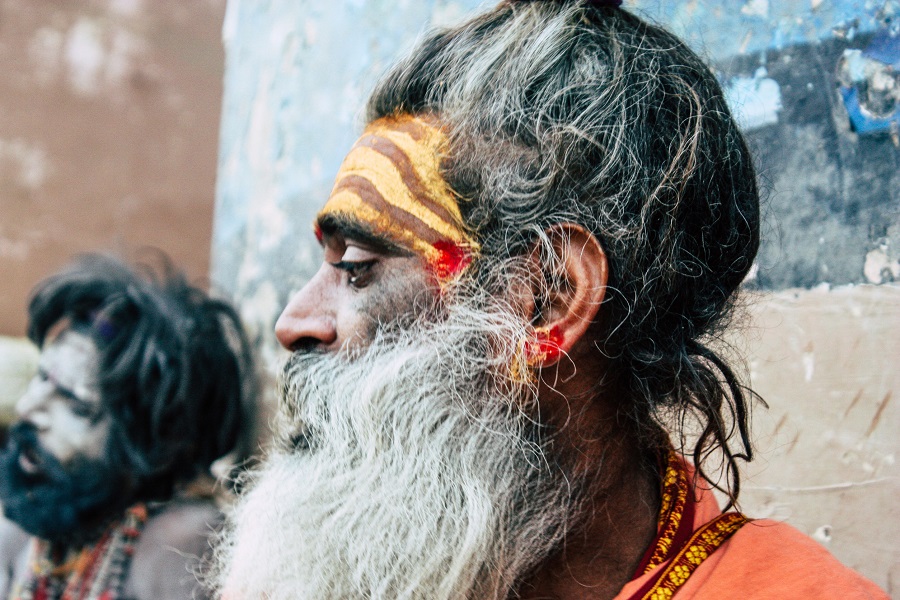
The Aghori sadhus, a small sect within Hinduism, engage in some of the strangest rituals that shock mainstream society. Their practices, including meditating on corpses or consuming human remains, are believed to transcend the duality of purity and impurity, bringing them closer to Shiva. The Aghoris challenge conventional perceptions of spirituality and the sacred.

5. Thaipusam – Tamil Hindus
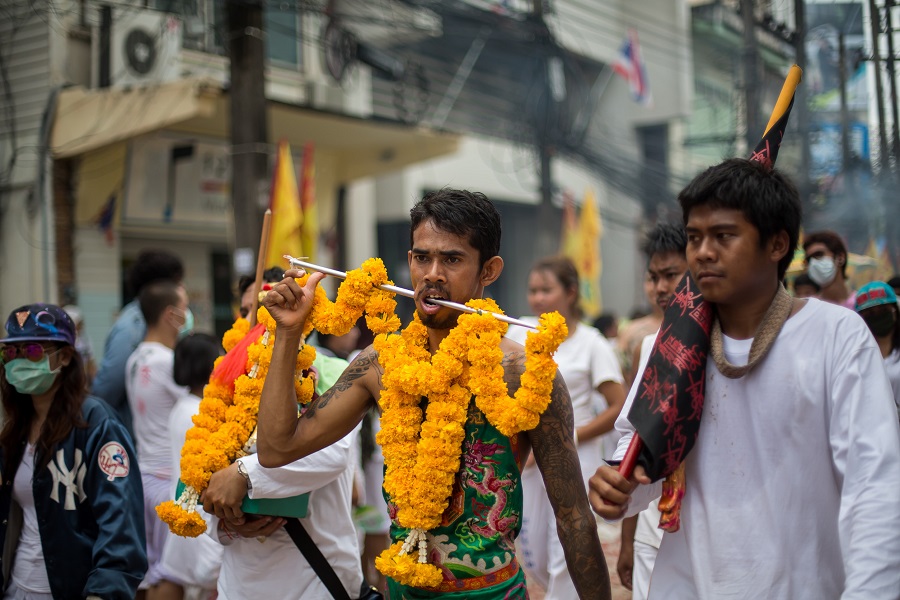
Thaipusam, a festival celebrated by Tamil Hindus, involves devotees undertaking a pilgrimage while bearing elaborate kavadis (burdens), including piercing their skin, tongues, or cheeks with skewers. This act of devotion to Lord Murugan seeks blessings and penance, demonstrating the physical and spiritual endurance of faith.

6. Dancing with the Dead – Madagascar

The Malagasy ritual of Famadihana, or “turning of the bones,” involves exhuming the remains of ancestors, wrapping them in fresh cloth, and dancing with them around the tomb. This joyful reunion celebrates family ties and respects the dead, ensuring their continued benevolence and support for the living.

7. Voodoo Pilgrimage – Haiti

The annual pilgrimage to Saut d’Eau in Haiti is a central ritual for Voodoo practitioners, blending Catholic and African traditions. Devotees bathe in the sacred waterfall, seeking healing and blessings from the loa (spirits) and the Virgin Mary, demonstrating the syncretism that characterizes Voodoo belief and practice.

8. Sun Dance – Native American Tribes

The Sun Dance is a significant ceremony practiced by several Native American tribes, involving fasting, prayer, and, in some cases, body piercing to connect with the spiritual world and honor the Great Spirit. One of the most intense and strangest rituals, it is marked by personal sacrifice and communal gathering and is a profound expression of identity, resilience, and renewal.

9. Fire Walking – Fiji

In Fiji, the practice of firewalking is performed by the Sawau tribe on Beqa Island, believed to have been granted this ability by a god. Participants walk over hot stones as a demonstration of strength and protection from the divine, showcasing the intricate relationship between faith, ritual, and the natural elements.

Amazing Experiences
These nine strangest rituals, spanning continents and cultures, illustrate the extraordinary diversity of religious expression around the globe. While they may seem strange to outsiders, each practice holds deep meaning and significance to those who partake in them, offering insights into the universal human quest for connection, understanding, and transcendence. By exploring these unique traditions, we gain a greater appreciation for the rich tapestry of belief that enriches our world.


[Read more…]

10 Streaming Services You Should Cancel Now

Streaming servicesIn today’s digital age, streaming services have become a staple in our daily entertainment diet, offering an unprecedented variety of content at our fingertips. However, with the abundance of options comes the challenge of subscription management. Many of us are subscribed to more services than we regularly use, leading to unnecessary monthly expenses. Here’s a strategic guide to help you identify which streaming services you might consider canceling, focusing on maximizing value while minimizing costs.

1. Underused Services

Start by evaluating which services you actually use regularly. If there’s a streaming platform you haven’t logged into for months, it’s a prime candidate for cancellation. The cost of a service is only justifiable if you’re getting sufficient entertainment or educational value out of it.

2. Content Overlap

Many streaming platforms have overlapping content libraries. If you’re subscribed to multiple services that offer similar shows or movies, consider keeping only the one that offers the best quality, variety, or additional benefits like no ads or better user experience.

3. High-Cost Subscriptions

Examine the cost-to-use ratio of each service. Premium streaming services with higher subscription fees should offer correspondingly superior content, exclusives, or benefits. If you’re paying top dollar for a service but only watching a couple of shows, it might be time to reevaluate its value to you.

4. Niche Services

While niche streaming platforms can offer content tailored to specific interests, they might not be worth the continuous investment if your interest wanes over time or if they offer a limited catalog that you’ve mostly explored.

5. Free Alternatives

In some cases, you can find similar content on free or ad-supported streaming platforms. If you’re not bothered by the occasional ad break, switching to a free version could save you a considerable amount each year.

6. Bundled Services

Look into bundled services that combine streaming services with other services you use, such as music streaming, cloud storage, or even your internet service. Sometimes, these bundles offer a better value than subscribing to each service separately.

7. Seasonal Subscriptions

Consider the seasonality of your viewing habits. Some platforms might be worth subscribing to for a specific part of the year—for example, during the release season of a show you follow—and canceling once you’ve caught up.

8. Family and Friend Plans

Evaluate whether you can share subscriptions with family or friends. Many services offer family plans that allow multiple users to enjoy the service at a fraction of the cost when split among a group.

9. Quality over Quantity

Prioritize quality over quantity. Having access to thousands of titles means little if you’re not interested in most of them. Keep streaming services that consistently deliver content you enjoy and look forward to.

10. Trial and Error

Don’t be afraid to cancel a service with the intention of re-subscribing later if needed. Some platforms offer incentives or improvements that might make them more appealing in the future. Your streaming needs and preferences will evolve, and so should your subscriptions.

Get The Most For Your Money

Streamlining your streaming services isn’t just about cutting costs; it’s about enhancing your entertainment experience by choosing platforms that offer the best value for your lifestyle and preferences. By regularly assessing your subscriptions and being mindful of your actual usage, you can ensure that every dollar spent on digital entertainment is a dollar well spent. Remember, in the world of streaming, less can indeed be more, leading to both savings and a more enjoyable viewing experience.

[Read more…]

16 Personality Traits Of A Happily Married Man

Happily married manMarriage is not just a legal bond but a union that thrives on growth, understanding, and mutual respect. While love is the foundation, the strength of a marriage often boils down to the personal attributes each partner brings to the table. In men, especially, certain traits have been observed to significantly contribute to a happy and fulfilling marital life. Here are 16 personality traits that characterize a happily married man.

1. Empathy

Empathy sits at the core of understanding and connecting with one’s partner on a deeper level. A happily married man often shows a high degree of empathy, acknowledging and validating his partner’s feelings, even if he doesn’t always agree with them. This trait allows for a nurturing environment where both partners feel heard and valued.

2. Patience

Patience is crucial in navigating the ups and downs of married life. Happily married men understand that not every issue needs an immediate resolution and that sometimes, time can help heal or clarify situations. This patience fosters a peaceful home environment and shows a commitment to understanding and compromise.

3. Honesty

Trust is the backbone of any strong relationship, and honesty is its precursor. Men who enjoy a happy marriage are often straightforward and honest with their partners, ensuring a foundation of trust and openness that strengthens their bond over time.

4. Sense of Humor

Life is not without its challenges, but the ability to laugh together can make those challenges more bearable. A happily married man often has a good sense of humor, helping to lighten difficult moments and bring joy to everyday life.

5. Communication Skills

Effective communication is vital in expressing needs, desires, and concerns within a marriage. Happily married men are typically adept at both articulating their own thoughts and actively listening to their partners, facilitating a healthy exchange of ideas and feelings.

6. Respect

Respect for one’s partner is non-negotiable. This includes respecting their opinions, dreams, and boundaries. A happily married man shows respect through his actions and words, reinforcing his partner’s worth and autonomy within the relationship.

7. Adaptability

Change is a constant in life, and the ability to adapt is key to a lasting marriage. Happily married men embrace change, whether it’s related to career moves, family dynamics, or personal growth, viewing it as an opportunity to strengthen their relationship.

8. Emotional Stability

Being emotionally stable allows a man to handle stress and conflict without overreacting or withdrawing. This stability provides a sense of security to both partners, knowing they can rely on each other through good times and bad.

9. Responsibility

Taking responsibility for one’s actions and their consequences is a sign of maturity. A happily married man does not shy away from his responsibilities, be it in daily chores, parenting, or supporting his partner emotionally and financially.

10. Integrity

Living by one’s values and being consistent in words and actions builds character. Men who are happily married often exhibit integrity, showing their partners that they are reliable and principled.

11. Generosity

Generosity extends beyond material gifts to include time, attention, and acts of service. A happily married man willingly gives these to his partner, enriching their relationship and fostering a culture of giving and receiving.

12. Optimism

Maintaining a positive outlook, even in tough times, can uplift both partners. Happily married men often possess an optimistic attitude, encouraging their partners to see the silver lining and to approach challenges with hope.

13. Self-Awareness

Knowing oneself, including one’s strengths and weaknesses, is crucial for personal growth. A happily married man is self-aware and willing to work on his shortcomings, contributing to a healthier and more balanced relationship.

14. Passion

Passion, both in the sense of romantic and life pursuits, keeps a relationship vibrant. Men who are happily married not only show passion towards their partners but are also passionate about their own lives, inspiring a dynamic and fulfilling partnership.

15. Loyalty

Unwavering loyalty creates a safe and secure environment for vulnerability and intimacy. A happily married man is deeply loyal to his partner, demonstrating his commitment through his fidelity and support.

16. Gratitude

Appreciation for one’s partner and the life they’ve built together can never be underestimated. Happily married men regularly express gratitude, recognizing and celebrating their partners and their shared experiences.

The Heart of Marital Happiness

The traits of a happily married man are diverse. These characteristics not only contribute to the happiness and satisfaction of his partner but also to the overall health of the marriage. While no one is perfect, striving towards these traits can help build a stronger, more loving, and enduring relationship. After all, a happy marriage is not just about finding the right partner but also about being the right partner.

[Read more…]

20 Things Everyone Should Know About Child Poverty

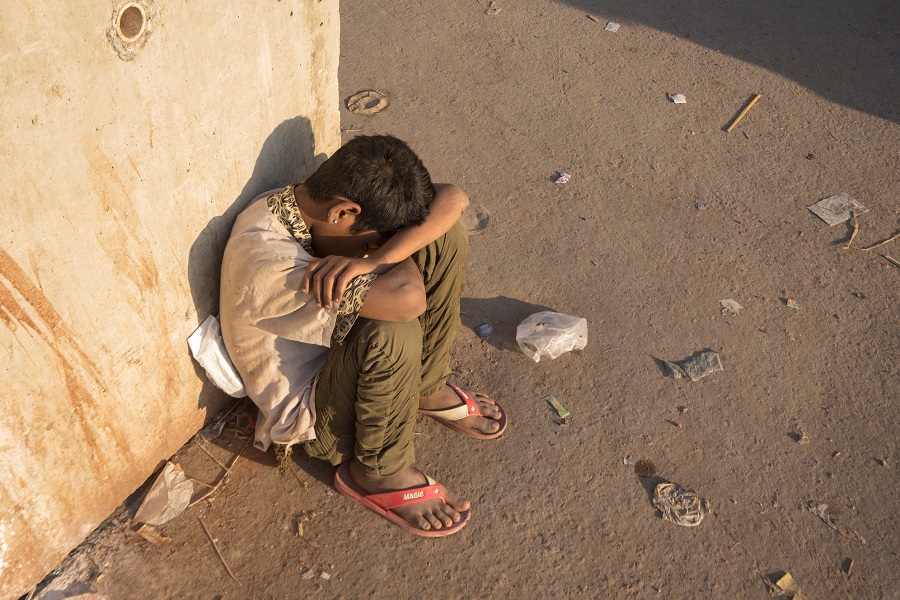
child povertyChild poverty is a grave concern that undermines the potential of millions of young lives while also posing a significant threat to societal progress and cohesion. Despite global advancements in technology and economy, child poverty remains pervasive, even in developed nations. Here are 20 things everyone should know about child poverty:

1. Global Scale of Child Poverty

Child poverty affects over 1 billion children worldwide, demonstrating that it is not confined to any single region or country. It’s a universal challenge that transcends borders, requiring a global response.

2. Definition and Measurement

Child poverty is not just about low income; it’s measured by a range of deprivations affecting children’s rights to education, nutrition, housing, sanitation, and access to healthcare. This multidimensional approach highlights the complexity of addressing child poverty effectively.

3. The Impact on Education

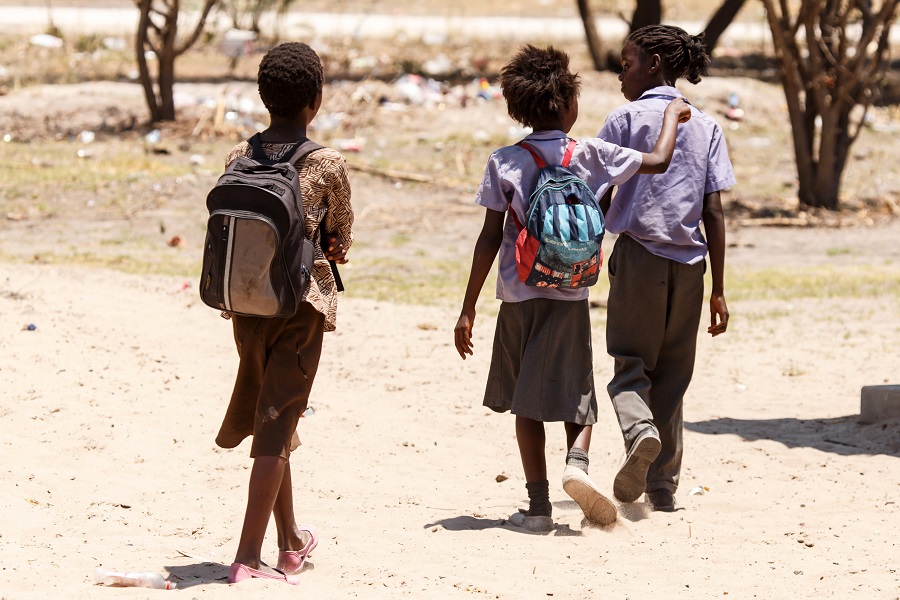
Children living in poverty are more likely to experience disruptions in their education, either through lack of access or the necessity to work. Education is a critical pathway out of poverty, yet for many children, it remains out of reach.

4. Health Disparities

Child poverty is closely linked with higher rates of illness and mortality. Poor nutrition, inadequate living conditions, and limited healthcare access contribute to a cycle of health disparities that can last a lifetime.

5. Economic Costs

The economic impact of child poverty is profound, costing societies billions annually. These costs arise from healthcare expenditures, lost productivity, and the perpetuation of cycles of poverty that hinder economic growth.

6. The Role of Social Protection

Social protection programs, including cash transfers, free school meals, and healthcare subsidies, have been proven to reduce child poverty significantly. Such programs are investments in the future productivity and well-being of society.

7. Child Poverty in Developed Countries

Even in the wealthiest nations, child poverty persists. It’s a myth that child poverty is only a problem in developing countries; it affects children in urban and rural areas across the globe.

8. The Digital Divide

Child poverty also means a lack of access to digital tools and the internet, crucial for education and social participation. The digital divide exacerbates educational inequalities, leaving poor children further behind.

9. Impact on Mental Health

The stress and stigma associated with poverty impact children’s mental health, leading to higher risks of depression, anxiety, and other mental health issues that can affect their long-term well-being and productivity.

10. Nutrition and Development

Malnutrition and food insecurity hinder physical and cognitive development, affecting children’s academic performance and health. Proper nutrition is foundational for breaking the cycle of poverty.

11. Homelessness and Housing Insecurity

Many children in poverty experience homelessness or housing insecurity, impacting their safety, stability, and access to community resources, further isolating them from opportunities for improvement.

12. Early Childhood Development

The first 1,000 days of a child’s life are crucial for development. Poverty during this critical period can have irreversible effects on their physical and mental development, emphasizing the need for early intervention.

13. The Gender Dimension

Girls often face additional barriers due to poverty, including increased responsibilities at home, lower access to education, and vulnerability to exploitation. Addressing child poverty requires a gender-sensitive approach.

14. Access to Clean Water and Sanitation

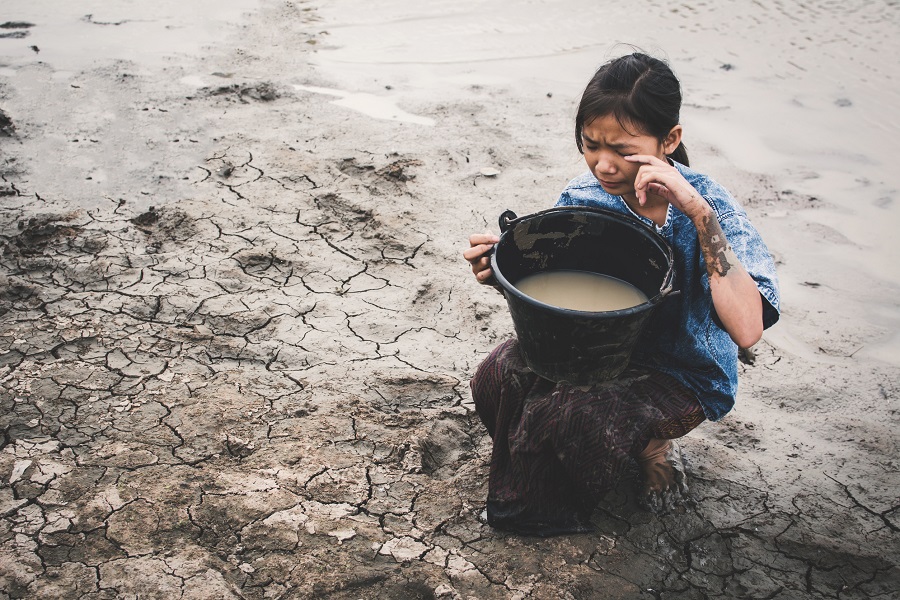
Lack of access to clean water and sanitation facilities exposes children in poverty to disease and hampers their dignity and potential, underlining the need for comprehensive solutions that address all aspects of well-being.

15. Child Labor

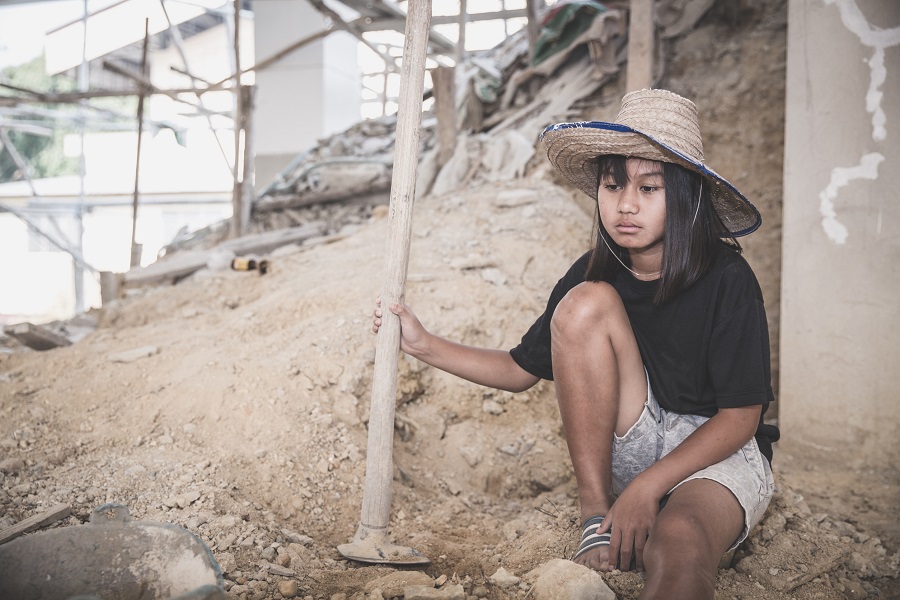
Poverty is a leading cause of child labor, depriving children of their childhood, potential, and dignity. It entraps them in a cycle of poverty that can be difficult to break.

16. Social Exclusion

Children in poverty often face social exclusion and stigma, impacting their self-esteem and sense of belonging. This isolation can hinder their social development and access to opportunities.

17. Racial and Ethnic Disparities

Child poverty disproportionately affects children from racial and ethnic minorities, highlighting systemic inequalities that require targeted interventions to ensure all children have equal opportunities.

18. Impact of Climate Change

Children in poverty are more vulnerable to the impacts of climate change, including natural disasters and food insecurity, exacerbating their hardship and limiting their recovery options.

19. The Role of Education in Breaking the Cycle

Education is one of the most powerful tools for breaking the cycle of poverty. Ensuring access to quality education for all children is crucial for empowering them to improve their lives and communities.

20. Collective Action Is Key

Addressing child poverty requires collective action from governments, NGOs, communities, and individuals. It’s not just a policy issue but a moral imperative that calls for compassion, innovation, and sustained commitment.

A Path Forward

Understanding the multifaceted issue of child poverty is the first step toward meaningful action. These 20 facts highlight the urgency of addressing child poverty not only as a matter of social justice but as a prerequisite for sustainable global development. By working together, we can forge pathways out of poverty for millions of children worldwide, ensuring they have the opportunities they need to thrive and contribute to a more equitable world.

[Read more…]