6 Celebrities Whose Net Worth Quietly Doubled After They Quit Acting

It’s easy to assume that fame and acting roles are the peak of a celebrity’s wealth. But for many, leaving the spotlight became the launchpad for serious riches. These celebrities didn’t just walk away from acting—they pivoted, leveraged their public profile, and saw their fortunes grow, sometimes doubling or more after quitting. If you’ve ever wondered how big stars manage to build lasting wealth beyond the screen, this list shows that quitting acting can be the smartest move of all. Let’s explore how six celebs doubled down and made their real payoff off-set.

1. Frankie Muniz – From Malcolm in the Middle to Million-Dollar Race Cars

quit acting - Frankie Muniz

By Nascar9919Own work, CC BY 4.0, Link

Frankie Muniz earned roughly $40 million by age 19 from his breakout role—and then walked away in 2008. He shifted into race car driving in Arizona, parlaying early acting earnings into a solid post-Hollywood lifestyle. While he continued to receive residuals, Muniz credits his side hustle for grounding him financially. Today, his net worth remains strong, even as acting takes a backseat to his racing passion. His story shows how quitting acting doesn’t mean quitting income—it can mean redirecting it.

2. Junior Bridgeman – From NBA Bench to Billion-Dollar Businessman

Though known first as an NBA player, Bridgeman turned his back on the spotlight to build a fast‑food empire after leaving professional basketball. He invested in over 450 Wendy’s and Chili’s franchises, then bought bottling operations for Coca‑Cola. His strategic pivot turned modest athletic earnings into a net worth exceeding $1.4 billion. That’s the power of a career pivot: moving out of the public eye and into business. Quit acting—or any main gig? Don’t underestimate what comes next.

3. Ashton Kutcher – From Sitcom Heartthrob to Tech Investor
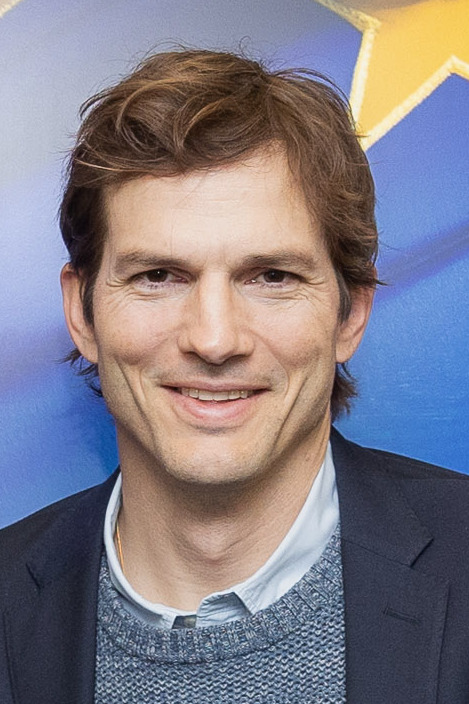
Ashton Kutcher

By © European Union, 2025, CC BY 4.0, Link

Ashton Kutcher’s film and TV success gave him a wealthy start, but his fortune really expanded after he got serious about tech investing. He co-founded VC firms A‑Grade and Sound Ventures and backed companies like Uber, Airbnb, and Lemonade. His net worth reportedly doubled as he shifted from paycheck acting to equity stakes and tech portfolios. It proves that fame can be a springboard into Silicon Valley. Sometimes, quitting acting means reinventing yourself as a business leader.

4. Magic Johnson – From NBA Star to Billion-Dollar Mogul
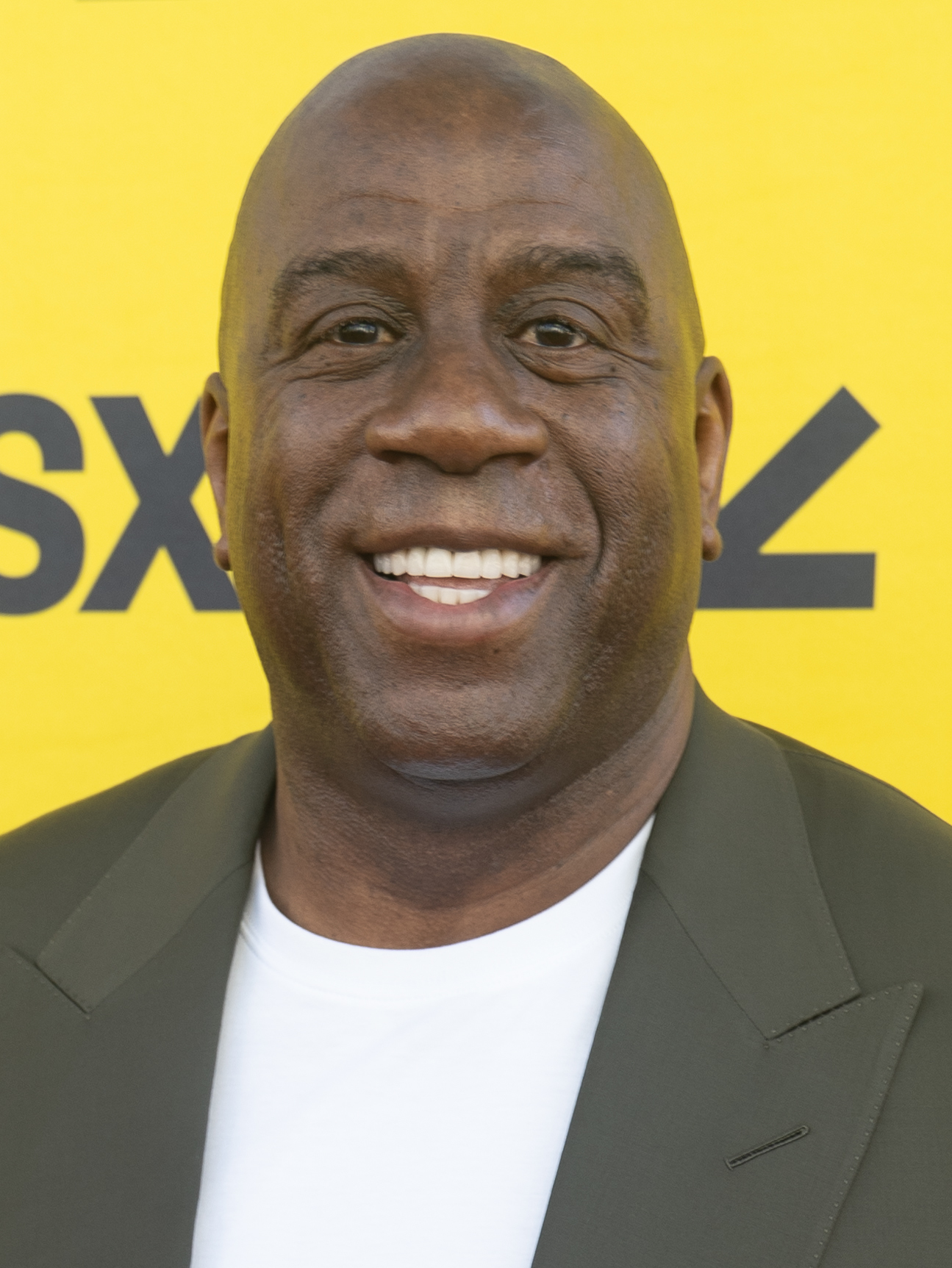
Magic Johnson left basketball in 1996, but “retiring” from fame meant returning to pursue business ownership. He built Magic Johnson Enterprises into a large conglomerate, including theaters, sports teams, and insurance. His net worth now sits around $1.5 billion. While not a traditional actor, Johnson’s transition illustrates how leaving a high-profile career and pursuing a diversified business can multiply wealth. When you quit the main gig, align cleanly with what fuels long-term success.

5. Eva Longoria – Writer/Producer Pays Over Acting

Eva Longoria

By Harald KrichelOwn work, CC BY-SA 4.0, Link

Eva Longoria exited star roles to found her own production company, UnbeliEVAble Entertainment. After selling or partnering her business, she diversified into restaurants, fashion, and book deals. Her net worth grew substantially beyond her TV fame. Longoria shows that quitting acting doesn’t mean quitting creative impact—it can mean gaining control behind the camera and in boardrooms. Want lasting earnings? Pivot where influence matters.

6. Shaquille O’Neal – From NBA Legend to Business Tycoon
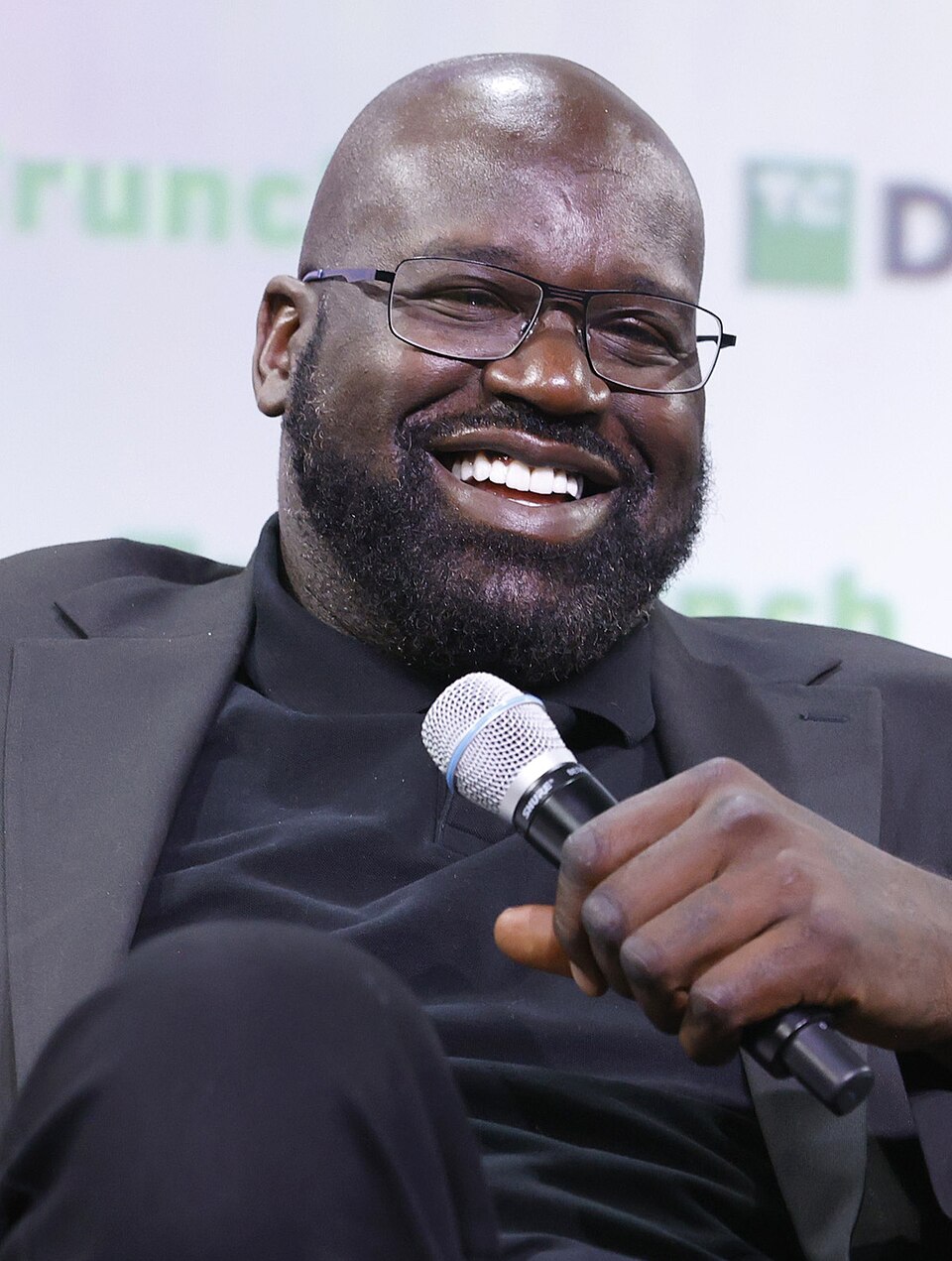
Although primarily known for basketball, Shaq’s occasional acting gigs didn’t define his wealth—it was his business vision. Shaq owns restaurants, car washes, tech investments (including early bets on Google), and entertainment ventures. Acting faded, but his business empire soared to a reported $500 million net worth. His secret: leverage fame, then funnel it into scalable ventures. Quitting the spotlight? Redirect those dollars wisely.

Reinventing Your Brand Pays Off Best

From Muniz to Kutcher, Longoria to Shaq, the common thread is clear: stepping away from the camera often opens doors to wealth beyond. Quitting acting can be a strategic reset, not a retreat. These stories show how celebrities quit acting and turned passion, equity, and enterprise into fortune. The move isn’t just about leaving—it’s about leveraging visibility to start anew.

Did any of these celebrity pivots surprise you? Which one inspires your own career reinvention? Share your thoughts below!

Read More

‘Teen Mom’ Net Worths Ranked from Broke to Ballin’

Jersey Shore Net Worths: Who’s Still Rich and Who’s Just Famous?

9 Backup NFL Players Who Are Secretly Multi-Millionaires

backup NFL players

Image Source: 123rf.com

When you think of NFL riches, names like Mahomes or Rodgers probably come to mind. But did you know some of the league’s backup NFL players are quietly stacking multi-million dollar fortunes? From hefty contracts to savvy investments, these sideline standbys are raking in serious dough. Let’s highlight nine backup NFL players who might be your next favorite millionaire. You’ll be surprised how much “behind-the-scenes” talent is cashing in.

1. Chase Daniel – The King of the Bench

Chase Daniel is the poster boy for backup wealth, earning roughly $42 million across a 14‑season career with teams like the Saints and Chiefs. Remarkably, he only made five NFL starts yet collected massive paychecks—about $8.3 million per start. His deals came from valuable depth and mentoring roles—skills teams are willing to pay top dollar for. Daniel’s example shows the real value of being the ultimate insurance policy. He’s proof that backups can be as bankable as starters.

2. Kirk Cousins – From Starter to Backup Cash Machine

After Atlanta named rookie Michael Penix Jr. the starter, veteran Kirk Cousins became one of the league’s highest‑paid backup QBs at $27.5 million for the 2025 season. His four‑year, $180 million contract has guaranteed tens of millions, even while serving as a backup. Though he transitioned backward in role, his wealth didn’t take a hit. Cousins shows how veteran QBs cash in long-term, even from the bench.

3. Taysom Hill – Versatile and Valuable

Taysom Hill isn’t your typical QB backup—he’s a Swiss Army Knife on the field, interpreting multiple roles for the Saints. His $12 million average annual salary underlines that value. Plus, a new $140 million extension expanded his compensation via creative cap structuring. Hill’s unique versatility gives depth and flexibility, earning him starter-level pay with fewer snaps.

4. Teddy Bridgewater – Reliable Second Banana

Long-term starter turned backup, Teddy Bridgewater, now earns about $11.5 million a year backing up Denver’s QB. In 2021, he ranked second among backups at $11.5M average. That kind of security shows backup roles can pay for consistent performance and veteran polish. Bridgewater illustrates how depth can be golden in the NFL.

5. Cooper Rush – From Undrafted to $7 Million Net Worth

Cooper Rush, undrafted and overlooked, proved his worth stepping in for Dak Prescott in 2024. He now boasts a $7 million net worth and has landed a $12.2 million guaranteed two-year deal with the Ravens. His rise proves opportunity can come unexpectedly, but wealth follows performance. Rush reminds us that backups can turn a chance into a mini-fortune.

6. Mac Jones – High-Paid Recent Backup

Former Patriots starter Mac Jones parlayed his experience into a two-year, $7 million deal with the 49ers—$5 million guaranteed, up to $11.5 million. Though not a career backup, this veteran role reflects how reserve QBs can still earn strong contracts. Jones’s move proves even recent starters can cash in from the bench.

7. Joshua Dobbs – Journeyman with a Solid Deal

Joshua Dobbs earned a two-year, $8 million deal—with $3.8 million guaranteed—to back up Drake Maye in New England. His roles across multiple teams have made him a reliable mid-tier backup. It shows journeyman QBs can leverage experience into wealth and job stability.

8. Jarrett Stidham – Denver’s Trusted Depth

After signing with Denver in 2023, Jarrett Stidham recently secured a two-year, $12 million extension (with $7 million guaranteed). That puts his average at $6 million per year, steady earnings from a typically underpaid role. Stidham exemplifies how consistency and team fit can pay big, even without regular starts.

9. Zach Wilson – Backup for a Price

Former top‑2 pick Zach Wilson landed a one-year, $6 million deal with Miami in 2025 to back up Tua Tagovailoa. That’s elevated money for a backup role, showing even underperforming starters can find financial redemption. Wilson’s contract highlights the ongoing value teams place on experienced depth.

Is The Bench The New Goldmine?

Backup NFL players aren’t just waiting in the wings—they’re cashing in. With guaranteed pay, veteran value, and niche skills, their roles are more lucrative than some starters. If you’re looking for a story that redefines success in football, the real money lives on the bench. These nine backup NFL players are prime examples of how patience, readiness, and consistency lead to serious wealth.

Were you surprised by how much these backup NFL players are earning? Which sideline millionaire did you find most impressive? Drop your thoughts below and let’s chat!

Read More

What Is Jason Kelce’s Net Worth After Leaving The NFL?

What Being on Shark Tank Actually Pays Off—Here’s What 5 Contestants Are Now Worth

Net Worth Showdown: SZA vs. Doja Cat

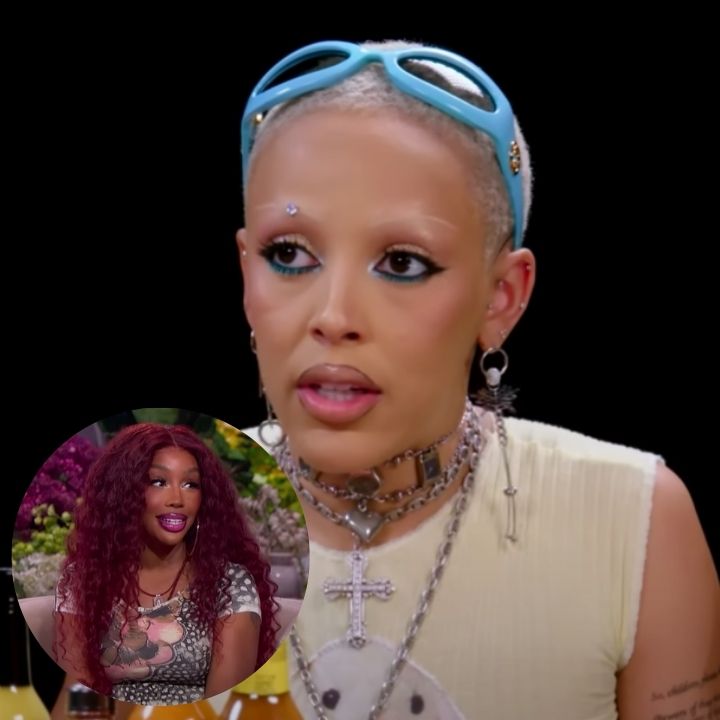
net worth showdown - SZA and Doja Cat - First We Feast and Jennifer Hudson Show

Image Source: YouTube/First We Feast/Jennifer Hudson Show

Why This Net Worth Showdown Matters

Fans often wonder which artist is richer, yet the numbers tell a broader story about career paths, branding, and cultural impact. A net worth showdown between SZA and Doja Cat reveals not just who’s winning the wealth game, but how they built it. Readers get insider insight into touring, streaming, endorsements, and creative ventures. Whether you’re rooting for R&B vibes or pop‑rap style, this breakdown helps you appreciate their success journeys. Let’s dive into the numbers and see who’s leading the pack.

SZA: Soulful R&B, Songwriting, and Big Tours

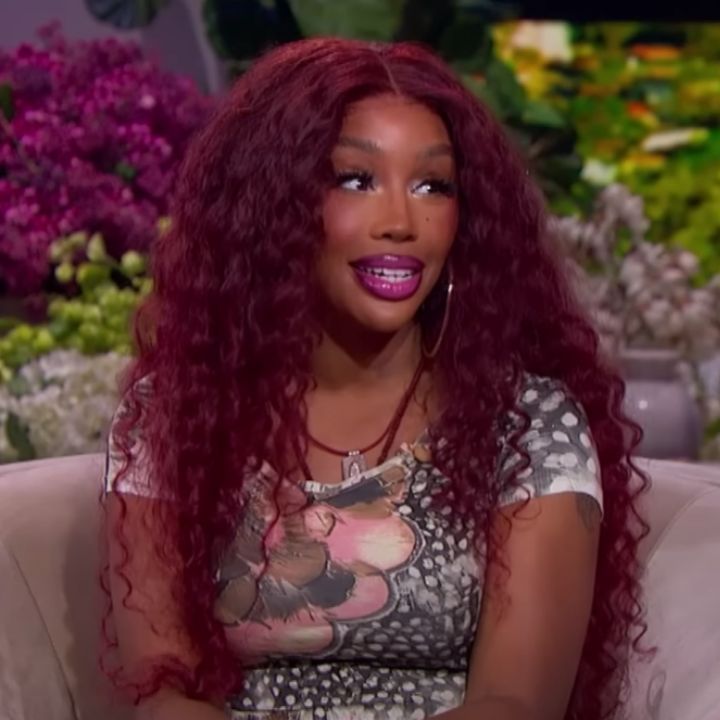
net worth showdown - SZA - Jennifer Hudson Show

Image Source: YouTube/Jennifer Hudson Show

As of 2025, SZA’s net worth is estimated at around $12 million. Her earnings come from album sales, streaming, touring, brand partnerships (like SKIMS and Mastercard), and even songwriting royalties. Notably, her SOS Tour (2023–24) grossed roughly $95.5 million over 63 shows. She’s also co‑headlining the massive 2025 Grand National Tour with Kendrick Lamar, which is already one of hip‑hop’s highest‑grossing tours. With acting, her Not Beauty cosmetics line, and continued collaborations, SZA’s earning streams are diversifying fast.

Doja Cat: Viral Hits, Endorsements, and Pop Power

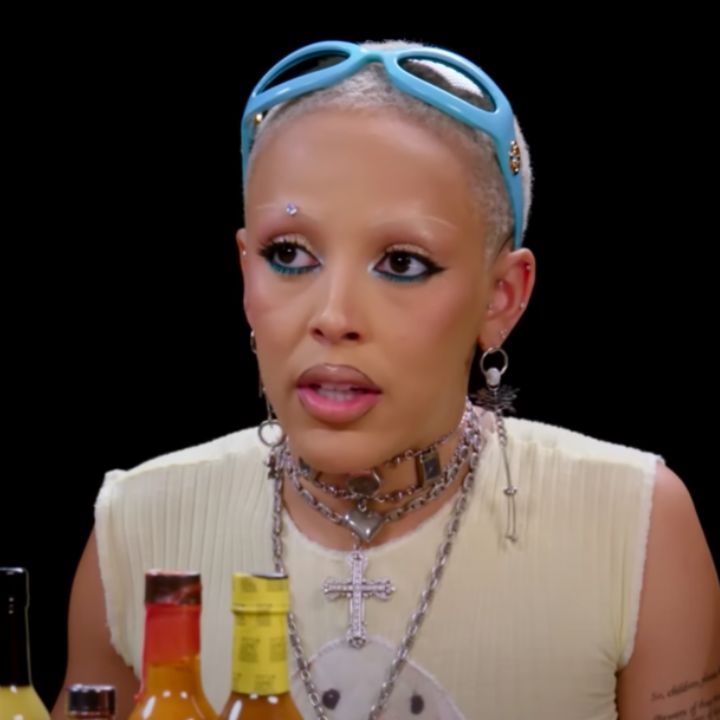
net worth showdown - Doja Cat - First We Feast

Image Source: YouTube/First We Feast

Doja Cat’s net worth in 2025 is estimated between $25 million and $30 million, though some sources give a more conservative $16 million figure. She earns through streaming, album sales, touring (The Scarlet Tour grossed over $40 million), brand deals with Pepsi, Adidas, PrettyLittleThing, and social content earnings. Annual income estimates put her at $5 million to $10 million from music and another $20 million+ from endorsements and online earnings. She’s also contributing new music to soundtracks, like the April 2025 F1 movie single, adding another potential revenue stream.

Touring Titans: Who’s Hitting the Big Stages?

Touring is where both artists shine—but in different ways. SZA’s SOS Tour grossed $95.5 million and sold over 674,000 tickets across 63 shows. Meanwhile, Doja’s Scarlet Tour pulled in $40.8 million from 27 shows. Although SZA’s tour had a higher gross overall, Doja’s arena reach and upcoming brand collaborations show that her stage power is growing. The net worth showdown here leans slightly toward SZA’s touring success, but Doja’s explosive music and visual branding can quickly shift the scale.

Songwriting & Streaming: Passive Income Power

SZA writes or co‑writes most of her tracks—including hits like “Kill Bill” and “The Weekend”—earning significant royalties. Her deep involvement in songwriting boosts her streaming income, and her albums stay on Billboard charts longer than many peers. Doja, though, dominates viral streaming with tracks like “Paint the Town Red,” and her social‑media savvy adds to that income. SZA’s deep‑cut playlists offer longevity—in a net worth showdown, those long‑tail royalty players can be goldmines over time.

Brand Deals & Entrepreneurship: Expanding Beyond Music

Doja’s brand game is strong, with partnerships spanning Pepsi, Adidas, PrettyLittleThing, and soundtracks—amplifying her net worth showdown edge. SZA, meanwhile, is pushing into acting, cosmetics (Not Beauty line), and fashion endorsements with SKIMS and Mastercard. While Doja’s reach currently shows broader global appeal, SZA’s strategic moves into new sectors signal rising potential. Both artists are clearly building brands beyond music, so the net worth showdown might shift again as those ventures mature.

Final Takeaway From This Wealth Face‑Off

The net worth showdown between SZA and Doja Cat shows different strategies paying off—for now, Doja holds a higher estimated net worth ($25–30M vs. $12M). But SZA’s touring, songwriting, and branding create strong potential for future growth. Doja leads on streaming virality and endorsements; SZA dominates with tour revenue and deep fan engagement. Both artists are building careers with staying power, creative control, and expanding influence. The real winner? Both, because this showdown highlights how diverse income streams elevate modern artists.

Where do you stand in this net worth showdown—Team SZA’s soulful brand or Team Doja’s pop‑power empire? Share your take in the comments below!

Read More

Bad Bunny’s Net Worth: What He Spends Millions On Might Surprise You

Kash Doll’s Net Worth: Rapping Her Way To A Fortune

What Being on Shark Tank Actually Pays Off—Here’s What 5 Contestants Are Now Worth

Shark Tank contestants worth

Image Source: YouTube/Shark Tank Global

Ever watched someone light up when landing a deal on Shark Tank and wonder, “Does that really pay off?” The truth is—it can. For some contestants, even a “no” can turn into serious money. Today, we dive into five standout stories where exposure, investment, or persistence actually paid off. You’ll learn how much these entrepreneurs are now worth—and why their Shark Tank moment was just the beginning.

1. Everlywell — Julia Cheek’s $260 Million Springboard

Back in 2018, Julia Cheek pitched Everlywell, an at-home health testing kit, and left with no deal. But thanks to Shark Tank exposure, the business boomed. By 2023, Everlywell ranked as the second-highest revenue generator in the show’s history. Her personal net worth is now estimated to be roughly $260 million. It’s proof that Shark Tank’s spotlight can raise a company’s value, even without a Shark’s check.

2. Bogg Bag — Persistence Pays $100 Million Outcome

Kim Vaccarella pitched her durable beach bag four times before Shark Tank said no. That didn’t stop her. By 2025, Bogg Bag was expected to hit $100 million in revenue, thanks to Target partnerships and organic growth. She credits social media buzz and product quality for the win, not TV investment. Her brand shows that sometimes, not taking a deal still leads to a major payoff. Being featured—even without a deal—can spark explosive growth.

3. BeatBox Beverages — From $1M Deal to $200M Valuation

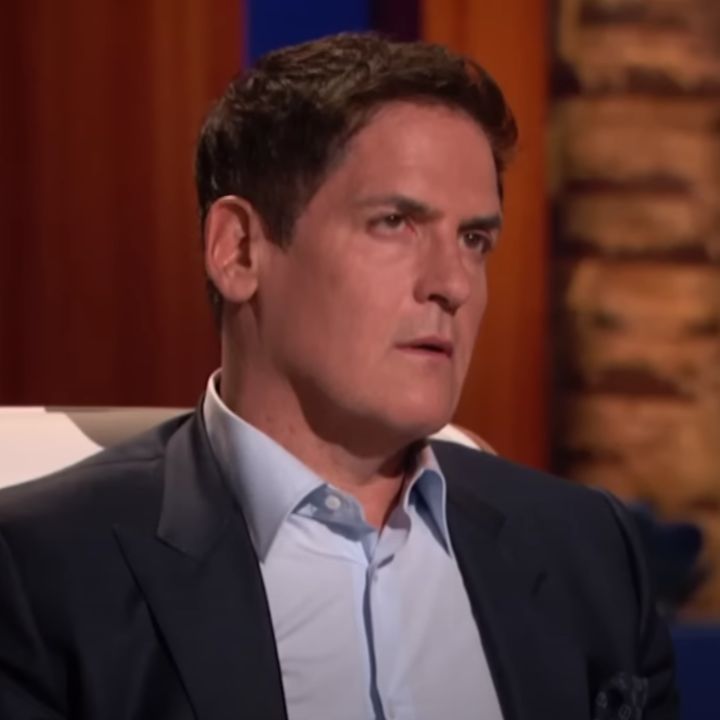
When BeatBox Beverages nailed a $1 million deal with Mark Cuban, few predicted the results. But fast-forward a decade, and BeatBox is now valued at over $200 million. It proves that a Shark’s capital and mentorship can propel a product from niche to national scale. Cuban’s initial investment delivered a massive return and a major win on ROI. That’s Shark Tank payoff in action.

4. Scrub Daddy — Sponge That Turned into a Spongeing Empire

Not every Shark Tank success is flashy, but Scrub Daddy is a household name. Lori Greiner’s investment turned a simple sponge into a $340 million annual revenue brand. Scrub Daddy is now exploring a potential sale that could value the company in the hundreds of millions. The payoff is clear: Shark Tank-backed credibility can launch startups far beyond TV hype. Scrub Daddy proves that everyday products can yield extraordinary returns.

5. Burlap & Barrel — Revenue Doubled Without a Deal

Not all wins involve deals. Burlap & Barrel, a gourmet spice company, walked away without a Shark investment—but the exposure was golden. Sales nearly doubled to $9 million following their episode. Cofounder Ori Zohar says the brand benefited just as much from airtime as from actual equity stakes. Even without a Shark’s money, the platform alone was worth millions. That’s the kind of payoff many underestimate.

It’s About Exposure, Deals, and Timing

Here’s the inside scoop: Shark Tank contestants see payoffs in three main ways—cash investment, media exposure, and brand credibility. Not every pitch lands funding, but every pitch gets airtime. If leveraged smartly, that airtime becomes a marketing tool worth millions more than any check on the show. So next time you watch, know: behind the pitches are businesses either launching to millions—even without a deal—or scaling exponentially with Shark support.

Which Shark Tank success story surprised you the most, and would you seek exposure over cash? Share your thoughts in the comments!

Read More

The Richest Survivor Contestants Ever—and How They Did It

How Much Is a Grammy Really Worth? We Followed the Money