7 Celebrities Who Lost Millions from Bad Brand Deals

Celebrity endorsements and owned brands can make stars richer, but when things go south, the fallout is massive. A single misstep or scandal can cost an influencer not just popularity, but millions in brand deals. In a crowded media environment, every blunder is magnified, and reputations are fragile. Whether due to personal scandals, weak performance, or abrupt cancellations, this list reveals just how quickly a lucrative partnership can turn into a financial black hole. If you’re curious how fame turned to financial flames, read on.

1. Tiger Woods – The $22 Million Loss from Sponsorships
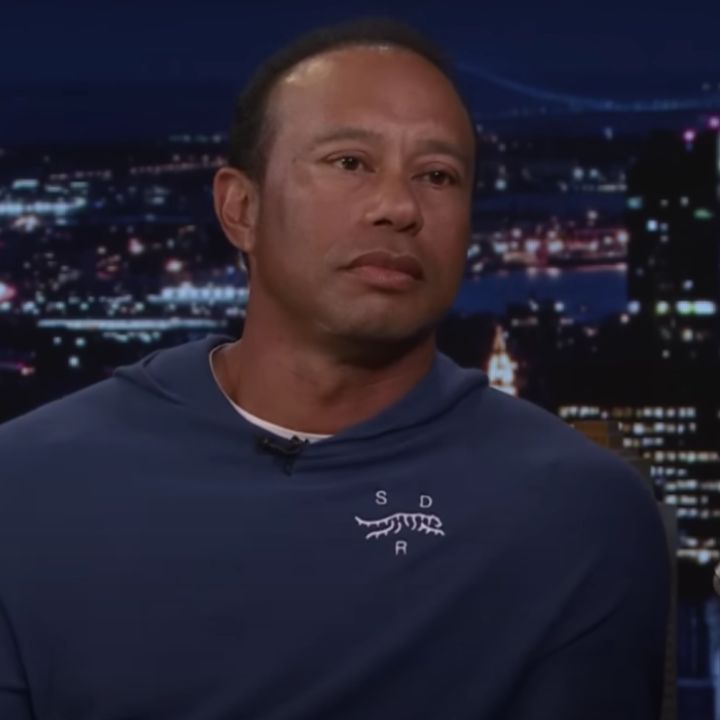
bad brand deals - Tiger Woods - The Tonight Show Starring Jimmy Fallon

Image Source: YouTube/The Tonight Show Starring Jimmy Fallon

When Tiger Woods’ personal scandal erupted in 2009, companies pulled their support fast. Big names like Nike, Gatorade, AT&T, Accenture, and Gillette dropped him, cutting off approximately $22 million in annual endorsement revenue. Although he had an illustrious career, these partnerships vanished amidst reputation concerns, and some brands even later reluctantly resumed deals. It shows how personal behavior can immediately taint a brand’s image and bottom line. Woods’ experience remains one of the biggest celebrity endorsement meltdowns ever.

2. Sean “Diddy” Combs – $425 Million Hit from Deal Terminations
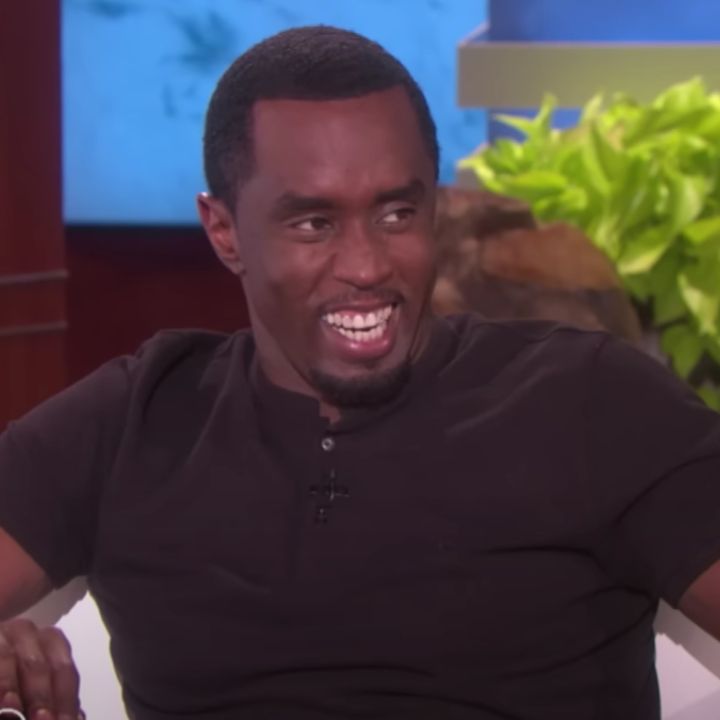
bad brand deals - Sean Combs - TheEllenShow

Image Source: YouTube/TheEllenShow

Sean “Diddy” Combs saw his fortune drop from about $825 million in 2018 to roughly $400 million by mid-2024, largely due to legal controversies. Diageo, the company behind Cîroc Vodka and DeLeón Tequila, severed ties following accusations against him, costing him multi-million dollar deals. His fashion brand, Sean John, also felt the impact. It’s rare for a celebrity’s net worth to suffer so drastically from partnerships unraveling. Diddy’s situation highlights how personal reputation ties directly to brand confidence.

3. Beyoncé – A $100 Million Adidas Flop
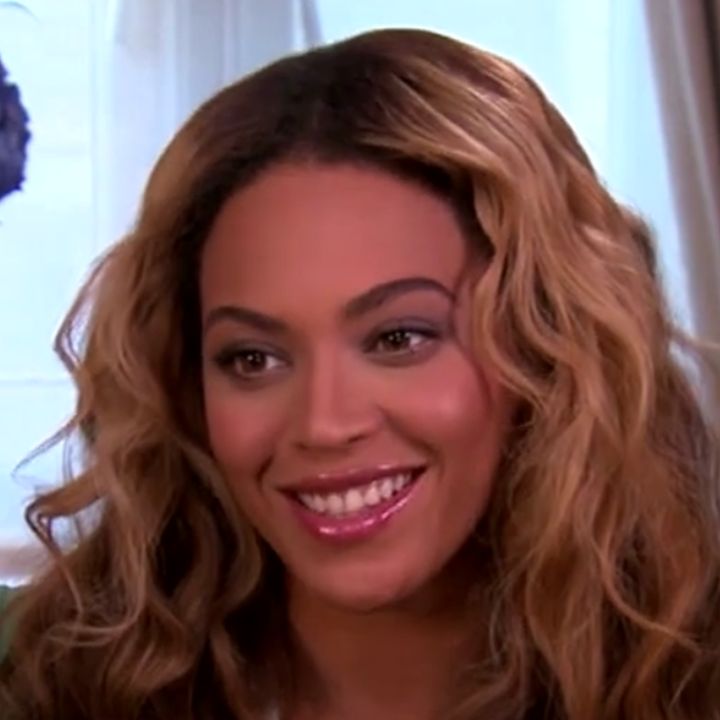
bad brand deals - Beyonce - ABC News

Image Source: YouTube/ABC News

Beyoncé’s much-hyped Ivy Park athleisure line with Adidas launched with a $100 million deal, but struggled to deliver on expectations. After plunging sales—cutting revenue from $93 million in 2021 to around $40 million in 2022—the partnership was mutually ended in 2023. Adidas reportedly offered $7 million annually for continued collaboration, but Bey declined, seeking a better fit. Her experience illustrates the risk even A-listers face when brand alignment or demand falls short. It’s a high-stakes gamble that didn’t pay off as planned.

4. Naomi Campbell – The Instagram Copy-Paste Fail
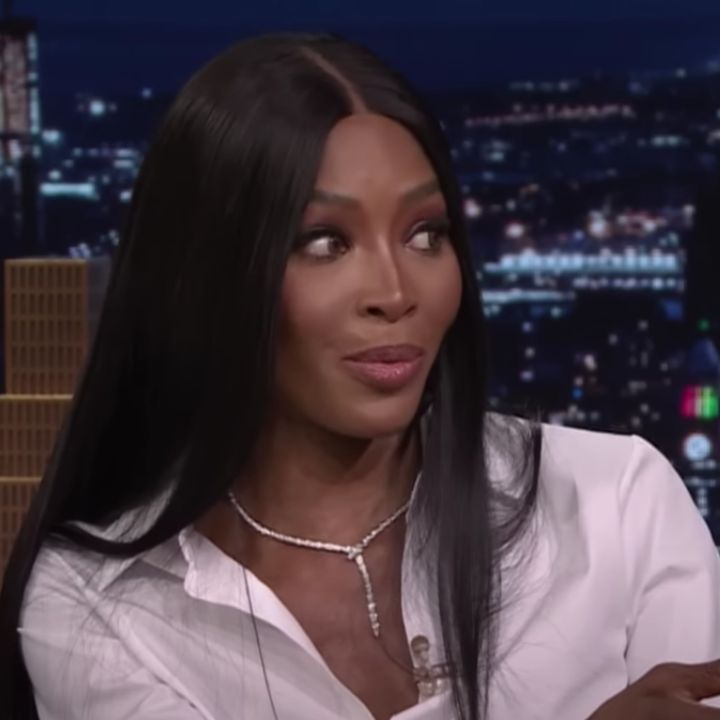
bad brand deals - Naomi Campbell - The Tonight Show Starring Jimmy Fallon

Image Source: YouTube/The Tonight Show Starring Jimmy Fallon

Naomi Campbell once partnered with Adidas and suffered an embarrassing endorsement fail. In an Instagram post promoting Adidas shoes, she accidentally included the brand’s internal caption instructions instead of her own words. This public mistake undercut her credibility and attracted ridicule online. It shows that endorsement not only needs big money, it demands authenticity and professionalism. Even minor slips can erode trust when brands depend heavily on influencer voice.

5. Jacqueline Jossa – Owed Tens of Thousands Amid Brand Collapse


View this post on Instagram


A post shared by Jacqueline Osborne (@jacjossa)

Former EastEnders star Jacqueline Jossa was reportedly owed a five-figure sum after the collapse of fashion brand In The Style, with her image still being used despite unpaid commissions. The brand’s financial struggles left her—and other celebrity collaborators—out of pocket, underscoring the risk of depending on corporate partners. As the company teetered on administration, it became a cautionary tale for influencer partnerships. It shows how even promotion-heavy deals can implode if the brand itself fails. Influencers need to vet partners just as carefully as brands vet them.

6. 50 Cent – Taco Bell Lawsuit Over Unauthorized Use


View this post on Instagram


A post shared by 50 Cent (@50cent)

In 2008, Taco Bell used 50 Cent’s name and likeness in a “Why Pay More?” campaign without his consent. He sued for $4 million and won, using the strength of celebrity branding legal protections. While not a flop, the case is a reverse of the usual story: a brand misused its association and paid the price. It highlights how powerful and sensitive celebrity brand value can be—when mishandled, it leads to major legal and financial consequences. Deals can go both ways when contracts are ignored.

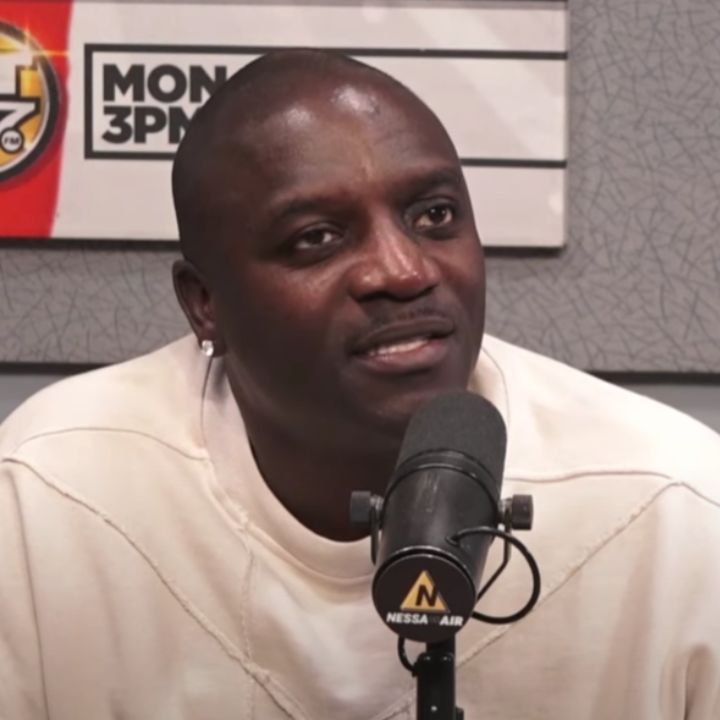
7. Akon – Verizon Drops Him after Controversial Stage Act
bad brand deals - Akon - HOT 97

Image Source: YouTube/HOT 97

In 2007, recording artist Akon performed a lewd act with a 15-year-old during a live Verizon-sponsored event, prompting the brand to immediately sever ties. Verizon pulled his ringtones and sponsorships, distancing itself swiftly. This ended a lucrative marketing partnership and contributed to Akon’s image decline. The incident reveals how one misjudgment—even on stage—can spark corporate backlash. Corporate sponsors are quick to break ties when scandal or inappropriate behavior emerges.

The Peril of Ignoring Brand-Image Chemistry

Celebrity name recognition might open lucrative doors, but bad brand deals can slam them shut—and fast. Whether due to personal scandal, performance misfires, or brand failures, these seven examples show how quickly endorsements can become financial disasters. Even the wealthiest stars can lose millions when contracts unravel. For influencers and brands, the key takeaway is clear: vet partnerships, monitor reputation, and ensure alignment before a bad brand deal becomes a public fiasco.

Which celebrity brand deal flop surprised you the most—and why? Share your thoughts below!

Read More

These Reality TV Couples Built Massive Empires (And Then Split the Fortune)

10 Alcohol Brands Owned by Celebrities—And Which Ones Are Actually Good
6 Game Show Hosts With Net Worths That Might Surprise You

Game show hosts aren’t just charming faces on TV—they’re often major earners with surprisingly high net worths. Many fans might assume these jobs pay modestly, but the game show host’s net worth figures often tell a different story. From nightly staples to long-running daytime shows, these personalities have turned hosting gigs into multi-million-dollar empires. Whether you’re curious about trivia legends or charismatic quizmasters, you’re about to be surprised by how much they’ve earned.

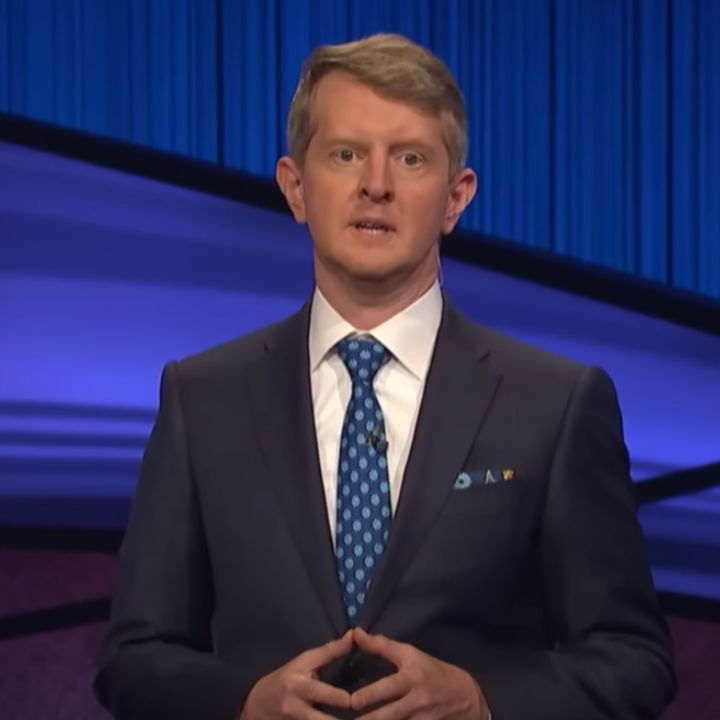
1. Ken Jennings – Jeopardy!

game show host net worth - Ken Jennings - Jeopardy!

Image Source: YouTube/Jeopardy!

Ken Jennings turned quizmaster fame into a tidy fortune, with his current game show host net worth estimated at around $8 million. He shot to prominence with a record-breaking 74-game winning streak and later became a Jeopardy! host. Hosting duties reportedly pay him around $4 million annually. Beyond hosting, Jennings earns revenue from book deals, public speaking gigs, and media appearances. His trivia prowess has transformed into real-world wealth.

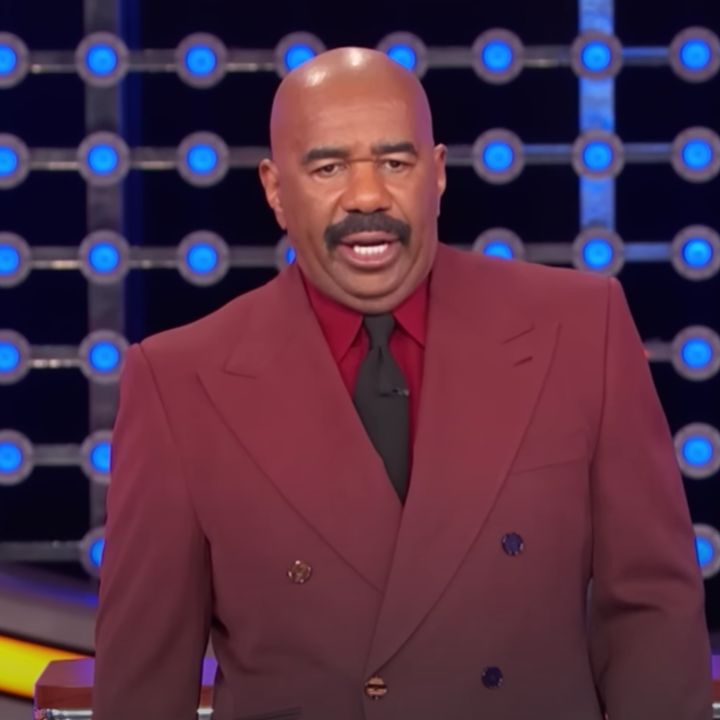
2. Steve Harvey – Family Feud

game show host net worth - Steve Harvey - Family Feud

Image Source: YouTube/Family Feud

Perhaps most known for his booming “Survey says!” catchphrase, Steve Harvey commands a jaw-dropping net worth of approximately $200 million. His game show host wealth comes from decades on Family Feud, Celebrity Family Feud, radio shows, books, and production ventures. Harvey reportedly brings in $40–50 million a year, including around $10 million from Family Feud alone. His success shows how hosting can be a springboard for diversified income. Hosting plus enterprise equals serious financial muscle.

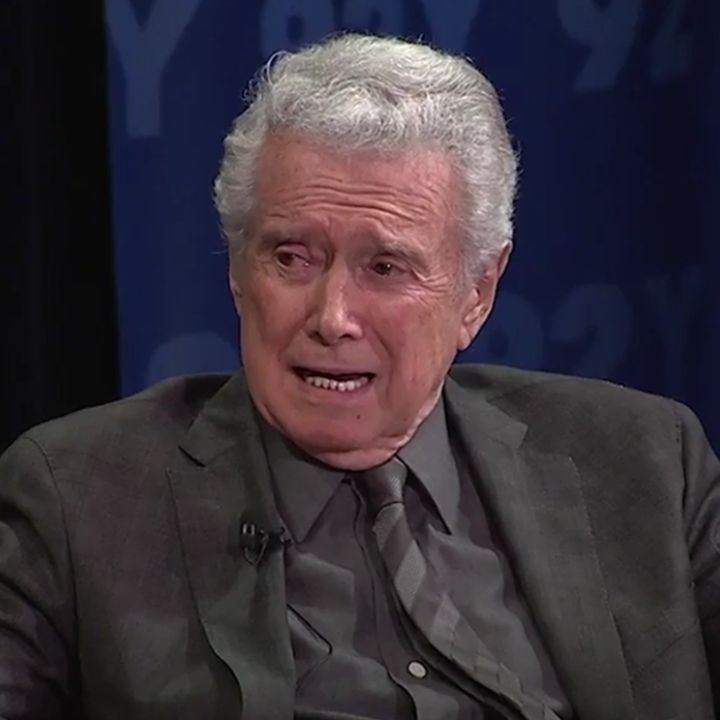
3. Regis Philbin – Who Wants to Be a Millionaire?

game show host net worth - Regis Philbin - The 92nd Street Y, New York

Image Source: YouTube/The 92nd Street Y, New York

Regis Philbin was a pioneering game show host whose name became synonymous with the phrase “final answer?” At the time of his death in 2020, his game show host net worth was estimated at $150 million. His tenure on Who Wants to Be a Millionaire? and Live! racked up substantial earnings, reportedly $20 million per year at his peak. His decades-long presence on TV left a legacy—and a fortune. Regis showed that hosting big events can pay generational dividends.

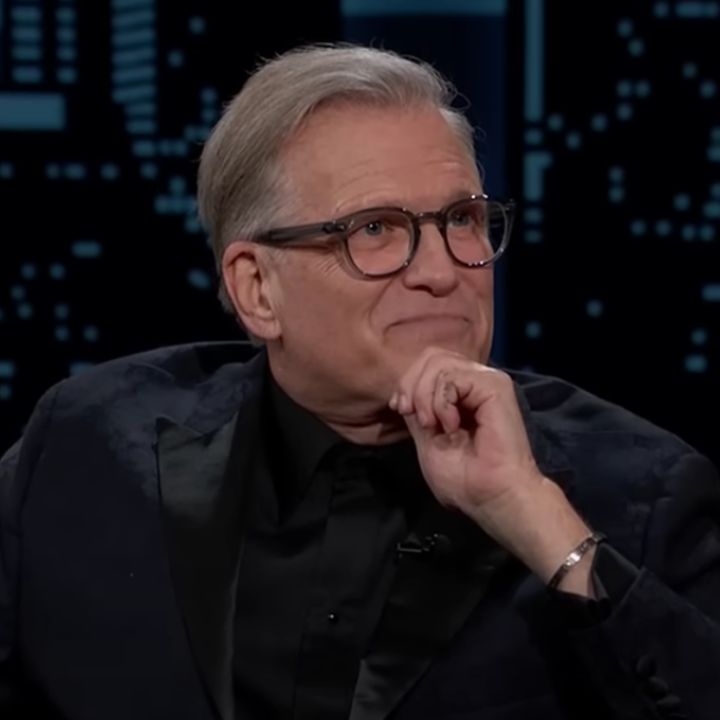
4. Drew Carey – The Price Is Right

game show host net worth - Drew Carey - Jimmy Kimmel Live

Image Source: YouTube/Jimmy Kimmel Live

Best known for The Drew Carey Show, Drew Carey reinvented himself as the host of The Price Is Right in 2007. Though precise figures are less documented, his net worth falls in the $150–200 million range, cementing him among the top earners in game show history. His earnings include syndication, real estate, and comedy gigs. Hosting a high-profile daytime show clearly pays off. His success highlights how game show net worths are about more than just the gig—they build on brand value and longevity.

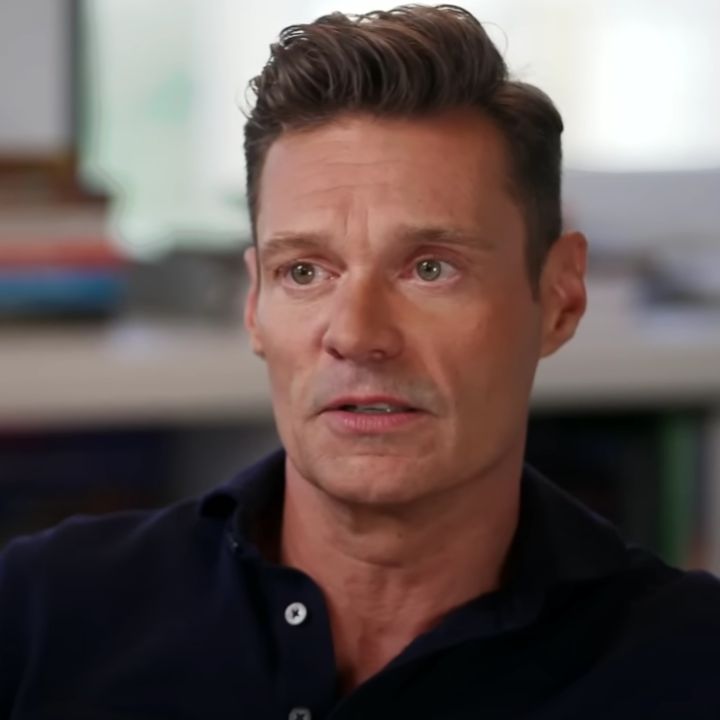
5. Ryan Seacrest – American Idol & Beyond

game show host net worth - Ryan Seacrest - CBS Sunday Morning

Image Source: YouTube/CBS Sunday Morning

Though not always labeled strictly as a game show host, Ryan Seacrest has hosted multiple competitive shows—American Idol, Wheel of Fortune, and Who Wants to Be a Millionaire. His versatile hosting and producing roles contributed to his massive game show host net worth of approximately $350 million. His empire stretches from TV and radio to production and fashion. Seacrest proves that hosting can be a platform for expansive business ventures. He shows what happens when entertainment and entrepreneurship mingle.

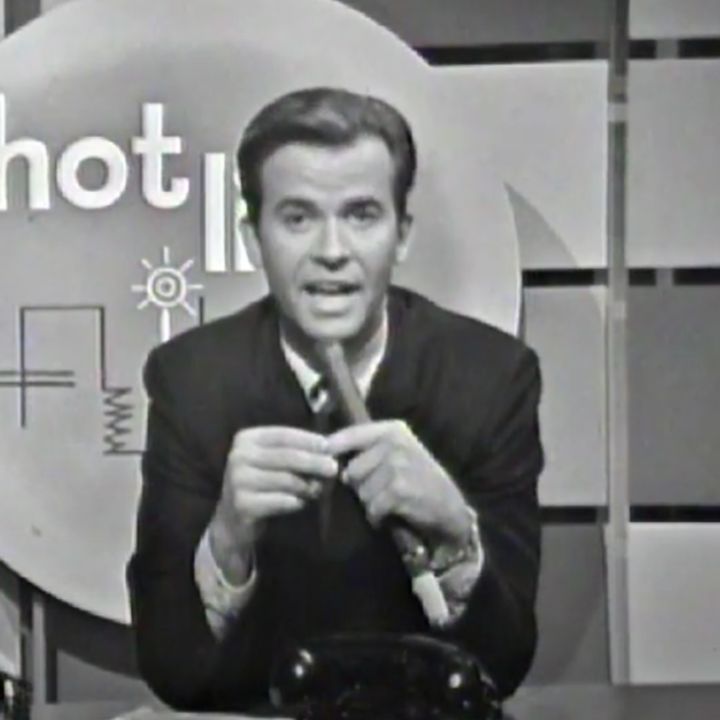
6. Dick Clark – American Bandstand & Game Shows

game show host net worth - Dick Clark - Awards Show Network

Image Source: YouTube/Awards Show Network

Known as “America’s oldest teenager,” Dick Clark made his name on American Bandstand but also hosted popular quiz shows like Pyramid. His estimated game show host net worth ranged between $150–200 million at the time of his passing. Clark built his wealth through hosting, production, and smart media investments. His career longevity—spanning decades—added layers to his income. He leaves behind a legacy of entertainment savvy and financial acumen.

Hosting Pays Off More Than You Think

These six game show hosts illustrate that game show host net worth isn’t just an interesting fact—it’s a career-defining metric. From Ken Jennings’s $8 million trivia smarts to Steve Harvey’s $200 million empire, the numbers challenge the notion that hosts are just TV gig placeholders. Regis and Drew broadened their impact with syndicated fame, while Ryan and Dick turned hosting into media empires. For fans and aspiring hosts alike, this underscores the earning and legacy potential hidden behind the podium. Hosting isn’t just about quips and charisma—it’s also about creating sustainable wealth.

Which game show host’s net worth surprised you the most? Do you think any other hosts deserve a spot on this list? Share your thoughts in the comments!

Read More

What is ‘Jeopardy’ Host Mayim Bialik’s Net Worth?

Pat Sajak’s Wealth & Net Worth

10 Musicians Who Make More From Merch Than Music

When you think of musicians raking in millions, you probably picture streaming hits or sold-out concerts. But for many artists, merchandise—T-shirts, hoodies, vinyl, and even cereal boxes—brings in more cash than their actual music. With streaming platforms paying fractions of a cent per play, merch has become a major income stream. Some stars have turned their logos and slogans into global fashion brands. Here are 10 musicians who earn more from their merch than from their music.

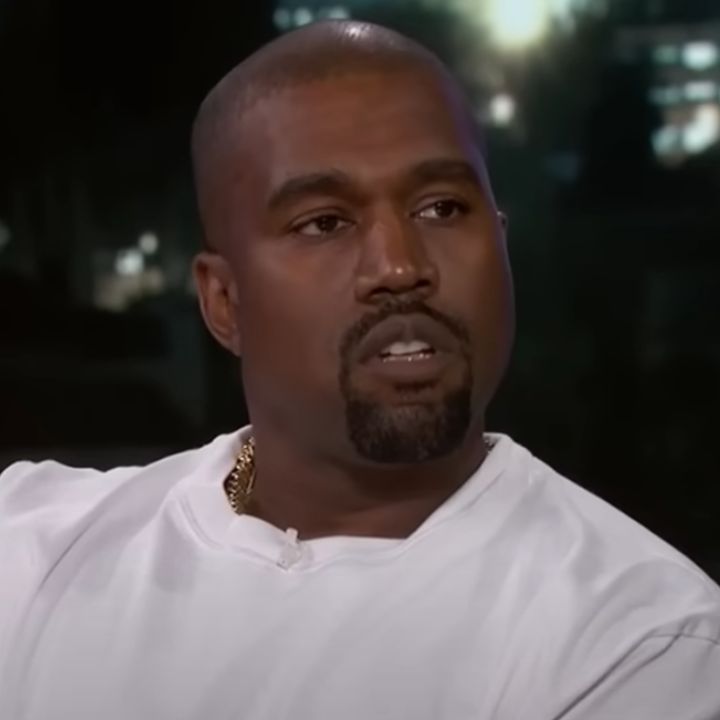
1. Kanye West

Kanye West - musician merchandise - Jimmy Kimmel Live

Image Source: YouTube/Jimmy Kimmel Live

Kanye’s music empire is impressive, but his Yeezy brand made him a billionaire before Adidas ended their partnership. At its peak, Yeezy generated over $1.5 billion annually, with Kanye pocketing a massive royalty share. Meanwhile, his music—though popular—can’t compete with the apparel juggernaut. His merch isn’t just concert tees—it’s streetwear gold. Even post-scandal, his drops still spark major resale demand.

2. Travis Scott


View this post on Instagram


A post shared by flame (@travisscott)

Travis is the king of brand crossovers, turning his music fame into merchandising mastery. From his iconic McDonald’s meal and matching tees to his lucrative Nike deals, his merch eclipses music royalties. His “Astroworld” tour alone pulled in millions in merch revenue. Fans eagerly buy everything from action figures to scented candles. Scott’s branding is a cultural movement as much as a business strategy.

3. Beyoncé


View this post on Instagram


A post shared by Beyoncé (@beyonce)

While Beyoncé’s albums top charts, her merch—especially under the Ivy Park label—brings in major profits. Her Adidas collaboration sold out in hours and created global buzz. Tour merchandise from her Renaissance World Tour fetched premium prices, with custom jackets and accessories going viral. Beyoncé blends fashion and fandom seamlessly. Her name alone guarantees sales beyond music platforms.

4. Slipknot


View this post on Instagram


A post shared by Slipknot (@slipknot)

This metal band may not dominate mainstream charts, but they dominate the merch game. Slipknot’s aggressive branding—masks, jumpsuits, and horror-themed gear—has created a cult following. Fans often spend hundreds per show on exclusive merchandise. They even sell replica masks that become collector’s items. For Slipknot, the merch is as iconic as the music itself.

5. Taylor Swift


View this post on Instagram


A post shared by Taylor Swift (@taylorswift)

Taylor’s eras aren’t just musical—they’re merchandise empires. Each album cycle launches themed drops that include everything from cardigans to friendship bracelets. At her Eras Tour, merch lines reportedly stretched longer than some of her songs. Swifties spend big to show off their loyalty. And with Taylor owning her brand fully, most of those profits go straight to her.

6. KISS


View this post on Instagram


A post shared by KISS (@kissonline)

KISS turned their theatrical rock persona into one of the biggest merchandising machines ever. With over 5,000 licensed products—from lunchboxes to pinball machines—they’ve earned more from merchandise than from music or touring. Gene Simmons famously said they’ve made more selling their brand than their songs. Even non-fans recognize the face paint and flaming logo. KISS built the blueprint for band-based branding.

7. BTS


View this post on Instagram


A post shared by BTS (@jungkook97.offcial)

This K-pop powerhouse sells out stadiums—but it’s the merchandise that keeps the money flowing. BTS fans, known as ARMY, collect light sticks, clothing, dolls, and even skincare lines. The group’s official merch often sells out in minutes, creating resale frenzies. With limited drops and seasonal collections, their merchandising rivals fashion houses. BTS’s reach proves that merch is global currency.

8. Post Malone


View this post on Instagram


A post shared by @postmalone

Posty doesn’t just sell music—he sells himself as a lifestyle. From Crocs collaborations to custom beer pong sets, his quirky image powers unique merchandise. His fans love the blend of humor, comfort, and chaos. While his streaming numbers are massive, his exclusive collabs often rake in more per unit. And he’s just getting started with fashion lines and branded beverages.

9. Justin Bieber


View this post on Instagram


A post shared by Justin Bieber (@lilbieber)

Bieber Fever turned into Bieber Fashion with his “Drew House” label. What started as tour merch evolved into a full-blown clothing line worn by influencers and fans alike. Unlike basic tees, Drew House items are fashion-forward and priced like streetwear. Justin’s minimalist smiley face logo has become a retail phenomenon. It proves that musicians can lead fashion—not just follow it.

10. Tyler, The Creator


View this post on Instagram


A post shared by Tyler, The Creator (@feliciathegoat)

Tyler’s “Golf Wang” and “Golf Le Fleur” brands are cult favorites that outsell his album earnings. The colorful, creative line reflects his personal style and connects deeply with fans. Tyler’s merch drops feel like limited-edition art collections. His music fuels the hype, but the clothing keeps the cash coming. In his case, the music is the trailer—the merch is the feature.

Merch Is More Than a Side Hustle

For many musicians, merchandise is no longer just tour swag—it’s the backbone of their brand. As streaming pays less and fans crave personal connection, merch gives artists a direct line to loyal followers. The smartest stars aren’t just selling songs—they’re selling identity, emotion, and style. In a world of digital music, tangible items bring fans closer. And those fans? They’re more than listeners—they’re walking billboards.

Which artist’s merch do you own—or want to own? Drop your favorites in the comments and let’s see who’s turning music into money!

Read More

Loren Gray’s Net Worth: From Musical.ly to Millions

These Indie Artists Are Quietly Worth Millions—and You’ve Never Heard Their Names

How These 5 Former Child Stars Are Still Earning Millions Today

Most child actors fade into obscurity once the credits roll—but not all of them. Some former child stars have managed to reinvent themselves, build thriving businesses, and continue earning big bucks long after their days on the small screen ended. Whether through smart investments, side hustles, or evolving entertainment careers, these celebrities found ways to stay relevant and wealthy. While fame can be fleeting, these five stars prove that smart moves and hard work can turn early success into long-term fortune. Here’s how they’re still bringing in millions today.

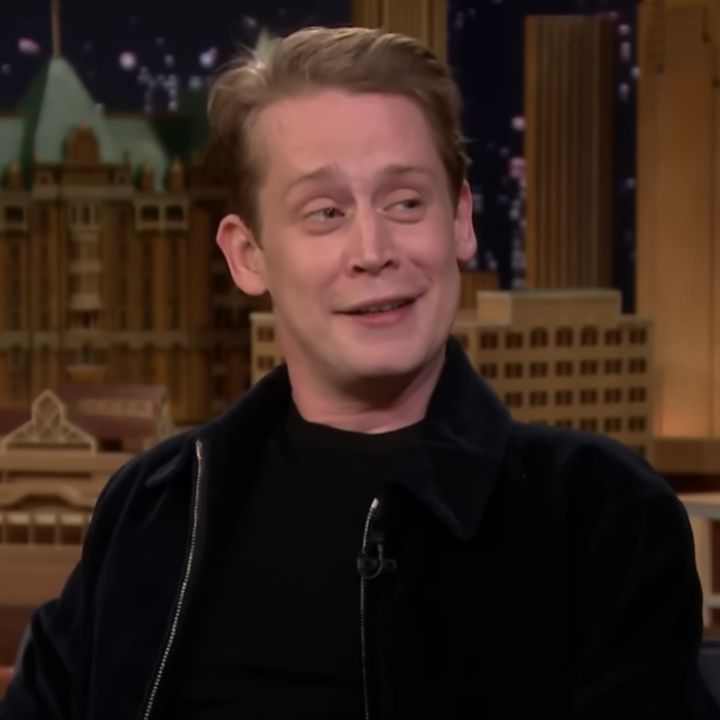
1. Macaulay Culkin – Building on Nostalgia and Media Ventures

Macaulay Culkin - former child stars - The Tonight Show With Jimmy Fallon

Image Source: YouTube/The Tonight Show Starring Jimmy Fallon

Best known for his iconic role as Kevin McCallister in Home Alone, Macaulay Culkin stepped back from acting for years, but he never stopped making money. In addition to ongoing royalties from his holiday classic, Culkin launched Bunny Ears, a satirical lifestyle brand and podcast that attracted a cult following. He’s also made recent appearances in shows like American Horror Story and is married to actress Brenda Song, forming a media-savvy couple with joint business ventures. Culkin has kept his net worth strong by leaning into his nostalgic fame without overexposing himself. As of today, estimates place his fortune at around $18 million.

2. Mary-Kate and Ashley Olsen – Fashion Moguls Behind the Scenes


View this post on Instagram


A post shared by Ashley Olsen (@ashleyolsens)

The Olsen twins went from adorable sitcom stars on Full House to bona fide businesswomen in the fashion world. After stepping away from acting, Mary-Kate and Ashley founded luxury fashion brand The Row as well as the more affordable Elizabeth and James. Their fashion empire has earned critical acclaim and serious revenue, with their combined net worth estimated to be $1 billion. They’ve chosen to stay largely out of the spotlight, letting their designs speak for themselves. Their transformation from child stars to fashion powerhouses is one of the most successful pivots in celebrity history.

3. Raven-Symoné – Staying Relevant Through Reinvention


View this post on Instagram


A post shared by Raven-Symoné (@ravensymone)

Raven-Symoné began her career on The Cosby Show before leading Disney’s That’s So Raven, a role that earned her millions and a loyal fanbase. Instead of fading out, she continued working steadily, appearing on The View, voicing animated characters, and reprising her Disney role in Raven’s Home. She’s also involved in music, writing, and LGBTQ+ activism, giving her relevance across multiple audiences. With savvy brand management and consistent work, she’s maintained a net worth of around $40 million. Raven proves that staying adaptable is key to longevity in the entertainment world.

4. Hilary Duff – From Teen Star to Multi-Hyphenate Mompreneur


View this post on Instagram


A post shared by Hilary Duff (@hilaryduff)

Hilary Duff gained fame as the title character in Lizzie McGuire, but she didn’t let her early success define her entire career. She continued acting in successful series like Younger and How I Met Your Father, while also building a personal brand centered around motherhood, wellness, and lifestyle. In addition to acting, she’s launched bestselling books, worked with health brands, and secured multiple endorsement deals. Duff’s down-to-earth image and business smarts have helped her maintain a net worth estimated at $25 million. She’s a textbook example of a former child star who grew up with her audience—and brought them along for the ride.

5. Dylan and Cole Sprouse – From Disney Twins to Creative Entrepreneurs


View this post on Instagram


A post shared by Dylan Sprouse (@dylansprouse)

Dylan and Cole Sprouse became household names thanks to The Suite Life of Zack & Cody, but they didn’t stop there. After taking time off to attend NYU, both brothers returned with new careers—Cole in acting (Riverdale) and Dylan in business. Dylan co-founded All-Wise Meadery, an artisanal alcoholic beverage company that caters to niche markets, while also dabbling in indie films. Meanwhile, Cole’s acting career has surged, bringing him both income and critical praise. Together, the twins have evolved from teen stars to savvy young adults, with a combined net worth of $13 million.

The Smart Moves That Keep Former Child Stars Wealthy

Fame may come early, but keeping it—and turning it into lasting wealth—is no easy feat. These former child stars found ways to leverage their fame, adapt to new trends, and build brands that outlived their early roles. Whether they stepped into fashion, launched businesses, or simply kept growing with their fans, they show that childhood fame doesn’t have to be the final chapter. Their stories offer a blend of cautionary wisdom and inspiring reinvention. In a world where attention is fleeting, staying relevant takes strategy—and these stars have mastered it.

Which former child star do you think made the smartest career move? Drop your thoughts in the comments—we’d love to hear who impressed you most!

Read More

6 Celebrities Whose Net Worth Quietly Doubled After They Quit Acting

9 Backup NFL Players Who Are Secretly Multi-Millionaires