12 Things You Want to Know About AI, But Are Afraid To Ask

Know about AIArtificial Intelligence (AI) is transforming the world, influencing everything from how we work to how we live. Yet, despite its growing presence, many people have questions and concerns about AI that they might be hesitant to voice. This article addresses 12 common things people want to know about AI, providing clear and concise answers to help demystify this complex and fascinating field.

1. What Exactly Is AI?

Artificial Intelligence refers to the simulation of human intelligence in machines that are programmed to think and learn like humans. These machines can perform tasks that typically require human intelligence, such as visual perception, speech recognition, decision-making, and language translation.

AI is broadly categorized into two types: narrow AI, which is designed to perform a narrow task (like facial recognition or internet searches), and general AI, which has the ability to understand, learn, and apply knowledge across a wide range of tasks, much like a human being.

2. How Does AI Learn? 

An important thing to know about AI is it learns through a process called machine learning, which involves feeding large amounts of data into algorithms that allow the AI to identify patterns and make predictions. This process is iterative, meaning the AI improves its performance as it processes more data.

There are different types of machine learning, including supervised learning, where the AI is trained on labeled data; unsupervised learning, where the AI identifies patterns in unlabeled data; and reinforcement learning, where the AI learns by receiving rewards or penalties based on its actions.

3. What Are the Benefits of AI? 

AI offers numerous benefits across various industries. In healthcare, AI can help diagnose diseases, personalize treatments, and streamline administrative tasks. In finance, AI can detect fraudulent transactions, manage investments, and provide customer support through chatbots.

Additionally, AI enhances productivity by automating repetitive tasks, allowing humans to focus on more complex and creative work. It also improves decision-making by analyzing vast amounts of data more quickly and accurately than humans can.

4. What Are the Risks of AI? 

Despite its benefits, another important thing to know about AI is that it can pose significant risks. One major concern is job displacement, as AI and automation can replace human workers in certain roles. There is also the risk of bias in AI algorithms, which can lead to unfair treatment and discrimination if the data used to train the AI is biased.

Moreover, AI can be used maliciously, such as in the creation of deepfakes or autonomous weapons. Ensuring the ethical development and use of AI is crucial to mitigate these risks and ensure AI benefits society as a whole.

5. How Is AI Used in Everyday Life? 

AI is already integrated into many aspects of daily life. Virtual assistants like Siri and Alexa use AI to understand and respond to voice commands. Recommendation algorithms on platforms like Netflix and Amazon suggest content and products based on user preferences.

AI also powers smart home devices, facial recognition systems in smartphones, and advanced driver-assistance systems in cars. These applications make life more convenient, efficient, and personalized.

6. Can AI Think and Feel Like Humans? 

Currently, AI does not possess the ability to think or feel like humans. AI systems can simulate human-like behaviors and responses, but they lack consciousness, emotions, and self-awareness. They operate based on algorithms and data, without understanding or experiencing the world as humans do.

Research in AI continues to advance, but creating machines that truly think and feel like humans remains a distant goal. The development of general AI, which could potentially possess human-like cognition, is still theoretical and faces significant scientific and ethical challenges.

7. How Is AI Impacting the Job Market? 

AI is transforming the job market by automating routine and repetitive tasks, which can lead to job displacement in certain sectors. However, AI is also creating new job opportunities, particularly in fields related to AI development, data analysis, and cybersecurity.

The key to thriving in an AI-driven job market is adaptability and continuous learning. Workers may need to acquire new skills and embrace lifelong learning to stay competitive. Emphasizing human skills that AI cannot replicate, such as creativity, emotional intelligence, and critical thinking, will also be crucial.

8. What Are the Ethical Concerns Surrounding AI? 

AI raises several ethical concerns, including issues of privacy, bias, accountability, and transparency. AI systems can collect and analyze vast amounts of personal data, raising privacy concerns about how this data is used and protected.

Bias in AI algorithms can lead to unfair treatment and discrimination, particularly if the training data reflects existing societal biases. Ensuring accountability for AI decisions is challenging, especially in complex systems where it’s difficult to trace the decision-making process. Transparency in AI development and deployment is essential to address these ethical concerns and build trust.

9. How Can AI Be Regulated?

With all we know about AI, regulating AI is a complex challenge that requires balancing innovation with protection. Governments and organizations are working to develop frameworks and guidelines to ensure the responsible development and use of AI. These regulations aim to address issues like data privacy, bias, accountability, and transparency.

International cooperation is also crucial, as AI is a global technology that crosses borders. Creating standards and best practices can help ensure that AI benefits society while minimizing its risks. Ongoing dialogue between policymakers, technologists, and ethicists is essential to develop effective AI regulations.

10. What Is the Future of AI? 

The future of AI holds tremendous potential. Advances in machine learning, natural language processing, and robotics will continue to drive innovation across various fields. AI is expected to play a significant role in addressing global challenges, such as healthcare, climate change, and sustainable development.

However, realizing this potential requires addressing the ethical, social, and economic implications of AI. Ensuring that AI development is guided by ethical principles and aligned with human values will be crucial to maximizing its benefits and minimizing its risks.

11. Can AI Replace Human Creativity? 

AI can enhance human creativity by automating routine tasks, generating ideas, and providing new tools for creative work. For example, AI can assist in composing music, creating visual art, and writing content. However, AI lacks the human ability to experience emotions, understand context deeply, and make intuitive leaps.

Human creativity is rooted in personal experiences, cultural contexts, and emotional depth, aspects that AI cannot replicate. Rather than replacing human creativity, AI serves as a powerful tool that can augment and inspire creative endeavors, leading to new forms of artistic expression and innovation.

12. How Can We Ensure AI Benefits Everyone? 

To ensure AI benefits everyone, it’s crucial to promote inclusive and equitable development. This involves addressing biases in AI algorithms, ensuring diverse representation in AI research and development, and making AI technologies accessible to all communities.

Education and awareness are also key. By fostering AI literacy, individuals will know about AI technology and its implications, enabling them to engage in informed discussions and advocate for fair practices. Collaboration between governments, industry, academia, and civil society will be essential to harness AI’s potential for the greater good.

Embracing AI with Confidence and Caution 

AI is reshaping our world in profound ways, offering exciting opportunities and significant challenges. If we know about AI basics, its benefits, risks, and ethical concerns, we can better navigate this technological landscape. Embracing AI with both confidence and caution allows us to harness its potential while ensuring it aligns with our values and serves the common good. Staying informed and engaged is crucial as we move forward in this AI-driven era, making thoughtful decisions that will shape our future.


[Read more…]

14 Safety Tips for Seniors Who Enjoy Walking Alone

senior walking alone

Walking is a wonderful way for seniors to stay active, enjoy the outdoors, and maintain their independence. However, safety is paramount when walking alone. Here are 14 trendy and practical safety tips to ensure your solo walks are both enjoyable and secure.

1. Choose Safe Walking Routes

safe walking path

Selecting a safe walking route is the first step to ensure your safety. Opt for well-lit, populated areas with even pavements. Avoid isolated paths, especially in unfamiliar neighborhoods. Parks and dedicated walking trails are excellent choices. Check local community boards or apps for recommended routes. Knowing your route can help you stay safe and confident.

2. Wear Appropriate Footwear

appropriate footwear for walking

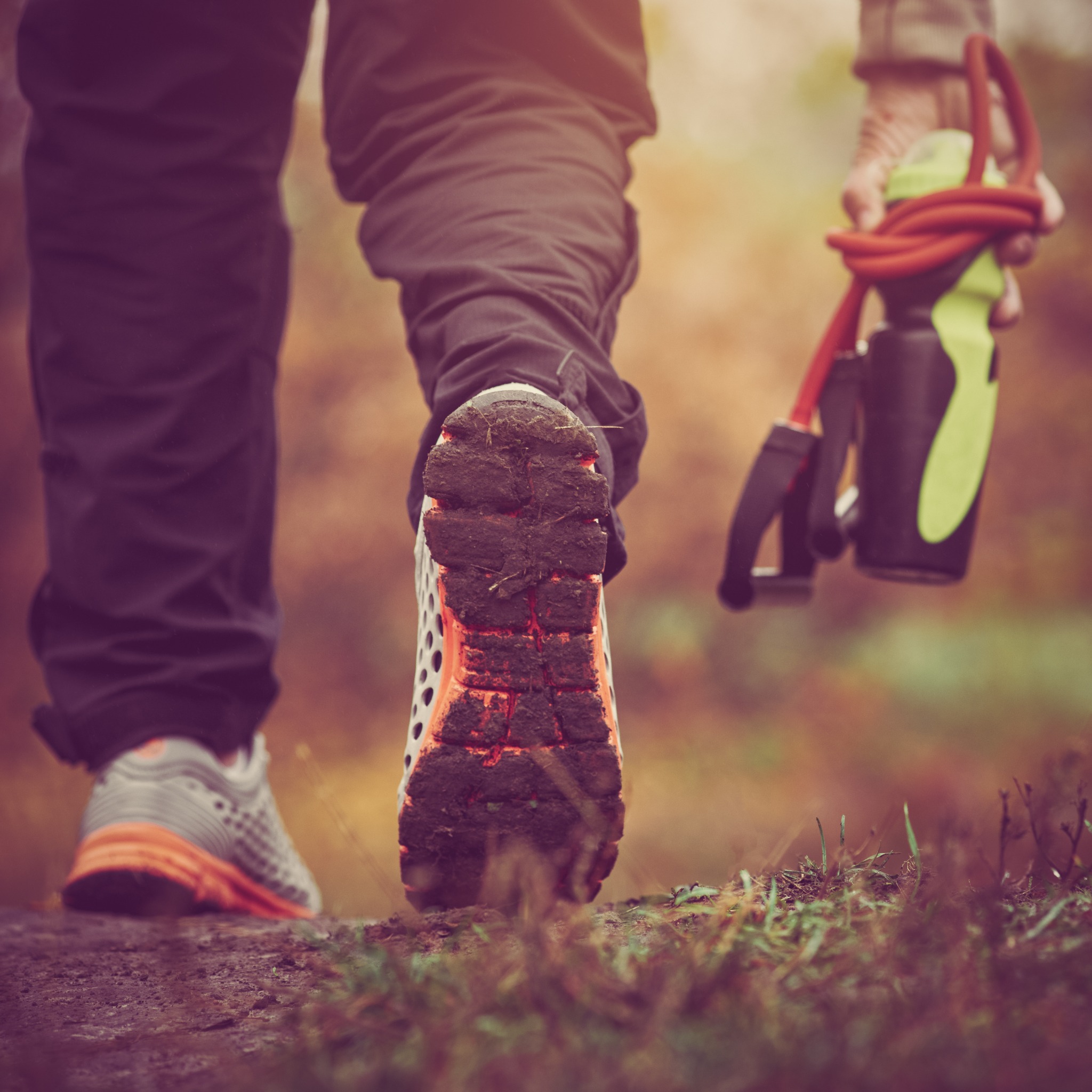
Proper footwear is essential for stability and comfort. Choose shoes with good support and non-slip soles. Avoid high heels or sandals that could increase the risk of falls. Check that your shoes are in good condition and fit well. Wearing appropriate footwear can prevent injuries and enhance your walking experience. Stylish and functional walking shoes are widely available.

3. Stay Visible

flashlight to stay visible

Visibility is crucial for your safety, especially if you’re walking during dusk or dawn. Wear bright or reflective clothing to ensure you’re easily seen by drivers and cyclists. Reflective vests or armbands can add an extra layer of safety. Avoid dark clothing that can make you blend into the surroundings. Consider carrying a flashlight or wearing a headlamp at night. Staying visible reduces the risk of accidents and enhances your safety.

4. Carry a Mobile Phone

senior carrying mobile phone on walk

Always bring a fully charged mobile phone with you. It’s a lifeline in case of emergencies or if you need assistance. Pre-program emergency contacts for quick access. Carrying your phone in a secure, easily accessible place ensures you can reach it when needed. Use apps that track your location and share it with family or friends. Modern smartphones also have emergency features like SOS alerts and location tracking.

5. Inform Someone of Your Plans

tell someone where you're going on walk

Let a family member or friend know your walking route and the estimated time of return. This practice ensures someone is aware of your whereabouts. In case of unexpected delays or changes, inform them promptly. Regular check-ins can provide additional safety. Share your location using phone apps for real-time tracking. This communication adds a layer of security to your walking routine.

6. Be Aware of Your Surroundings

be aware of your surroundings on walks

Staying alert to your surroundings is crucial for seniors walking alone. Avoid distractions like loud music or phone calls that can impair your awareness. Observe the environment and note any potential hazards or unusual activity. Trust your instincts—if something feels off, leave the area. Familiarize yourself with local landmarks and emergency locations. Awareness enhances your ability to respond to unexpected situations.

7. Walk During Daylight Hours

walk during daylight hours

Walking during daylight is generally safer for seniors walking alone. Natural light improves visibility and reduces the risk of accidents. Plan your walks for times when the sun is up, preferably during mid-morning or early afternoon. Avoid walking at dusk or dawn when visibility decreases. Daylight walking also means more people are likely to be around, adding to your safety. Enjoying the sunshine can boost your mood and vitamin D levels.

8. Use Walking Aids if Needed

walking sticks

If you have balance issues or mobility concerns, consider using a walking aid. Canes, walking sticks, or rollators can provide additional support. Ensure your walking aid is in good condition and suited to your needs. Using an aid can enhance your stability and confidence. Also, many modern walking aids are lightweight and stylish. Prioritizing your safety with the right equipment can make your walks more enjoyable.

9. Stay Hydrated

senior staying hydrated

Carry a bottle of water with you, especially on longer walks. Hydration is vital for maintaining energy levels and overall health. Drink small amounts regularly to avoid dehydration. Choose a lightweight, reusable bottle that’s easy to carry. Staying hydrated also helps you stay alert and focused. Proper hydration contributes to a safer and more pleasant walking experience for seniors walking alone.

10. Avoid High-Risk Areas

walking alone at night

Be mindful of high-risk areas such as construction zones, poorly lit streets, or areas with heavy traffic. Stick to familiar, safe routes you know well. If you must pass through a high-risk area, do so quickly and remain alert. Avoid shortcuts that may be secluded or unsafe. Urban areas often have maps highlighting safer walking paths. Prioritizing your safety means avoiding unnecessary risks.

11. Wear Identification

smart watch

Wearing an ID tag or carrying identification is a smart precaution for seniors walking alone. Include essential information such as your name, emergency contact, and any medical conditions. An ID bracelet or card in your pocket works well. This information is crucial in case of an emergency where you can’t communicate. Medical alert systems as well as smart watches can also be beneficial and will alert your emergency contacts if you fall, for example. Having an ID or a medical alert system ensures that help can be tailored to your needs quickly.

12. Listen to Your Body

listen to your body

Pay attention to any signs of fatigue, dizziness, or discomfort. If you feel unwell, find a safe place to rest or call for help. Don’t push yourself beyond your limits. Regular breaks can help you stay energized and reduce the risk of overexertion. Listening to your body’s signals is essential for safe walking. Knowing when to stop can prevent accidents and health issues.

13. Carry Personal Safety Devices

whistle

Consider carrying personal safety devices such as a whistle, pepper spray, or a personal alarm. These tools can help you feel more secure and can deter potential threats. It’s essential to learn how to use these devices effectively and keep them in an easily accessible place. Typically, modern personal alarms are small, lightweight, and easy to carry. Ultimately, personal safety devices add an extra layer of protection.

14. Know Basic First Aid

first aid

Having basic first-aid knowledge can be invaluable. Learn how to treat minor injuries such as cuts, sprains, and blisters. Carry a small first aid kit with essentials like band-aids, antiseptic wipes, and gauze. Knowing how to respond to common walking-related injuries can prevent complications. Many community centers offer first aid courses tailored for seniors. Being prepared can make a significant difference in emergencies.

Stay Safe and Enjoy Your Walks

senior walking alone

Walking alone offers numerous benefits, from physical health to mental well-being. By following these 14 safety tips, you can enjoy your solo walks with greater confidence and peace of mind. Remember, staying safe doesn’t mean sacrificing enjoyment. Embrace these practices to enhance your walking experience. Keep exploring, stay active, and most importantly, stay safe.

Read More

12 Outdated Wedding Trends We Wish Would Die Out Already

9 Innovative Ways to Make Extra Money Without a Second Job

10 Reasons Young Adults Should Be Worried About Scarecrow Laws

scarecrow laws

Scarecrow laws are legal statutes or regulations designed more for intimidation than for actual enforcement. They often exist to deter certain behaviors or actions without being actively applied, but their presence can still have significant implications. Young adults, in particular, should be aware of these laws and understand the potential risks they pose. Here are ten reasons why young adults should be worried about scarecrow laws.

1. Legal Ambiguity

Scarecrow laws are often vaguely worded, making it difficult to understand what is and isn’t allowed. This legal ambiguity can lead to confusion and unintentional violations, especially for young adults who may not have extensive experience navigating legal language. The lack of clarity can make it challenging to determine the boundaries of lawful behavior.

This ambiguity can also be exploited by authorities, leading to selective enforcement based on subjective interpretation. Young adults, who may already be wary of legal systems, could find themselves unfairly targeted or penalized without a clear understanding of what they did wrong.

2. Intimidation Tactics

The primary purpose of scarecrow laws is to intimidate and deter certain behaviors. This can create a culture of fear and compliance without actual enforcement. Young adults, in particular, may feel pressured to conform to certain standards or avoid specific activities due to the perceived threat of legal consequences.

Such intimidation tactics can stifle individuality and discourage young people from exploring new ideas or taking risks. The psychological impact of living under the constant threat of vague laws can lead to anxiety and a diminished sense of freedom.

3. Potential for Abuse of Power

Scarecrow laws can provide a tool for the abuse of power by authorities. Because these laws are often not enforced uniformly, they can be used selectively against individuals or groups, leading to discrimination and unfair treatment. Young adults, who may be more vulnerable to authority figures, could find themselves disproportionately affected.

This potential for abuse undermines trust in legal and governmental institutions. It creates a sense of injustice and alienation among young people, who may already feel marginalized or disempowered.

4. Erosion of Civil Liberties

Scarecrow laws can contribute to the gradual erosion of civil liberties. By normalizing the presence of intimidating laws, society becomes more accepting of restrictive measures that limit personal freedoms. Young adults, who are at a stage in life where they are asserting their independence, may find their rights increasingly curtailed.

This erosion of liberties can have long-term implications, affecting not only the current generation but also future ones. The acceptance of scarecrow laws sets a precedent for more invasive and restrictive legislation down the line.

5. Impact on Social Activism

Young adults are often at the forefront of social activism, pushing for change and challenging the status quo. Scarecrow laws can be used to suppress activism by creating a climate of fear and uncertainty. Activists may be deterred from organizing protests, speaking out, or engaging in civil disobedience due to the threat of legal repercussions.

This chilling effect on activism undermines democratic processes and stifles social progress. It prevents young people from exercising their right to free speech and assembly, essential components of a vibrant and dynamic society.

6. Hindrance to Career Opportunities

Legal issues, even minor ones, can have a lasting impact on career prospects. Scarecrow laws, with their potential for selective enforcement, can lead to legal entanglements that tarnish a young adult’s record. Background checks for employment, housing, and education can reveal these issues, hindering opportunities.

Young adults, who are in the crucial stages of building their careers, cannot afford the setbacks caused by unnecessary legal complications. The presence of scarecrow laws adds an additional layer of risk to their professional and personal development.

7. Financial Burden

Legal battles can be expensive, and scarecrow laws can lead to unwarranted legal fees and fines. Young adults, who may already be struggling with student loans, low-paying jobs, or the cost of living, can find themselves financially burdened by the costs associated with defending against these laws.

The financial strain can be overwhelming and can lead to long-term debt and financial instability. This economic impact is particularly concerning for young adults trying to establish their independence and build a secure future.

8. Inconsistent Enforcement

One of the hallmarks of scarecrow laws is their inconsistent enforcement. Authorities may choose to enforce these laws selectively, leading to unpredictability and unfair treatment. Young adults, who may not have the resources or knowledge to navigate the legal system effectively, are at a higher risk of being caught in this inconsistent application.

This unpredictability can create a sense of injustice and distrust in the legal system. It can also lead to disparities in how different groups are treated, exacerbating social and economic inequalities.

9. Inhibition of Personal Growth

Young adulthood is a critical period for personal growth and exploration. Scarecrow laws can inhibit this growth by creating an environment of fear and conformity. Young adults may avoid taking risks, pursuing unconventional paths, or expressing themselves freely due to the looming threat of legal consequences.

This inhibition can stifle creativity, innovation, and self-discovery. It limits the ability of young people to fully explore their potential and contribute meaningfully to society.

10. Legacy of Mistrust

The presence and use of scarecrow laws can leave a lasting legacy of mistrust in legal and governmental institutions. Young adults who experience the negative impacts of these laws may develop a deep-seated skepticism and distrust towards authority figures and institutions. This legacy of mistrust can persist throughout their lives, affecting their engagement with civic duties and their perception of justice and fairness.

Building a society based on trust and mutual respect requires fair and transparent legal practices. Scarecrow laws undermine these principles, creating a divide between young adults and the institutions meant to serve them.

Advocating for Fair Legal Practices

Understanding the implications of scarecrow laws is crucial for young adults as they navigate their personal and professional lives. These laws, designed more for intimidation than enforcement, pose significant risks that can impact freedom, career opportunities, financial stability, and personal growth. By raising awareness and advocating for fair and transparent legal practices, young adults can help create a more just and equitable society. It’s essential to challenge and reform these laws to ensure they do not undermine the principles of justice and equality that form the foundation of a healthy democracy.

[Read more…]

12 Shocking Dangers Lurking in Your Daily Commute

Daily commuteThe daily commute is an unavoidable part of life for many people, whether you’re driving, taking public transportation, biking, or walking. While it might seem like a mundane routine, there are numerous hidden dangers that can pose serious risks to your health and safety. Understanding these risks and learning how to mitigate them can help ensure a safer and more pleasant commute. Here are 12 shocking dangers lurking in your daily commute.

1. Traffic Accidents

One of the most obvious dangers of commuting by car is the risk of traffic accidents. With millions of vehicles on the road, collisions are a daily occurrence, ranging from minor fender-benders to severe crashes. Distracted driving, speeding, and aggressive behavior contribute to the high accident rates, putting everyone at risk.

To minimize your chances of being involved in an accident, always stay alert, follow traffic laws, and avoid distractions like texting or eating while driving. Defensive driving techniques, such as maintaining a safe following distance and being aware of your surroundings, can also help you react promptly to unexpected situations.

2. Air Pollution

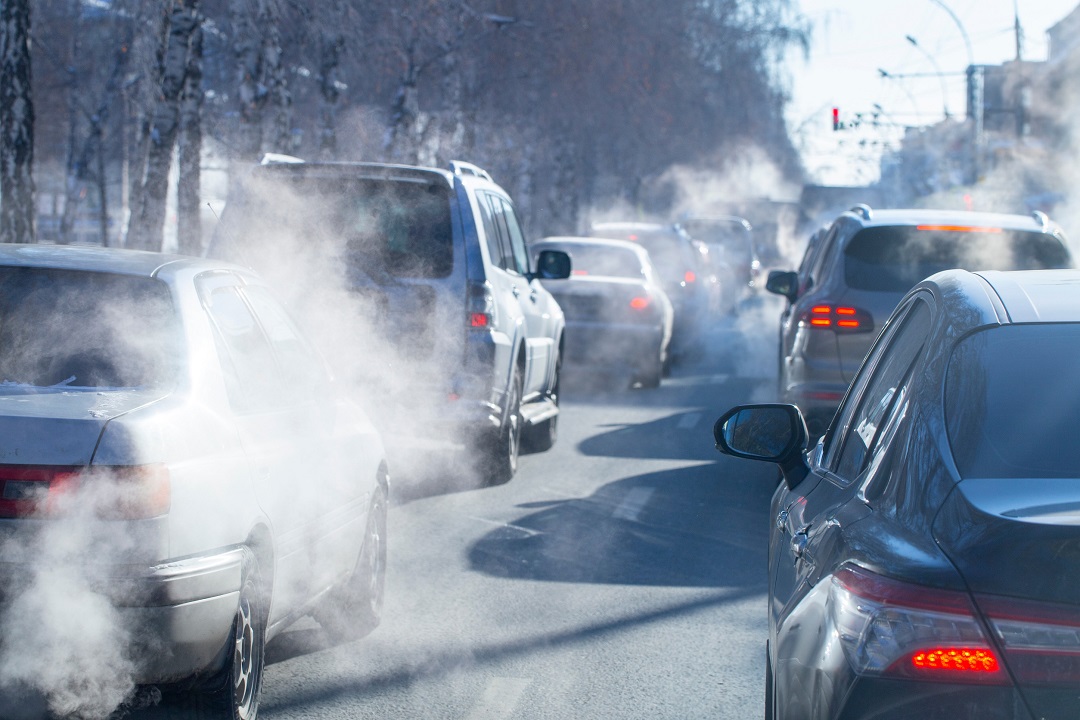
Air pollution is a significant concern for commuters, especially those who travel through heavily trafficked areas. Vehicle emissions release harmful pollutants like nitrogen dioxide, carbon monoxide, and particulate matter into the air, which can have severe health implications over time, including respiratory issues, heart disease, and even cancer.

To reduce your exposure to air pollution, consider carpooling, using public transportation, or biking instead of driving alone. Additionally, keeping your car windows closed and using the air recirculation mode can help limit the amount of polluted air entering your vehicle.

3. Stress and Mental Health

The daily grind of commuting can take a toll on your mental health. Long commutes, traffic jams, and the constant rush to get to work on time can lead to elevated stress levels, anxiety, and even depression. The monotony of the daily journey can also contribute to feelings of frustration and burnout.

To combat commuting-related stress, try to incorporate relaxation techniques into your routine, such as listening to calming music, practicing deep breathing exercises, or using the time for personal development through audiobooks and podcasts. Planning your route to avoid traffic congestion and allowing extra time for your journey can also help reduce stress.

4. Sedentary Lifestyle

For many commuters, the daily routine involves sitting for extended periods, whether in a car, bus, train, or at a desk job. This sedentary lifestyle can lead to numerous health issues, including obesity, cardiovascular disease, and musculoskeletal problems. The lack of physical activity can also contribute to poor posture and chronic pain.

Incorporating more physical activity into your daily routine can help mitigate these risks. Consider biking or walking part of your commute, taking the stairs instead of the elevator, or incorporating regular exercise into your schedule. Simple changes, like parking further away from your destination or getting off public transportation a stop early, can also increase your daily activity levels.

5. Noise Pollution

Noise pollution is another hidden danger of the daily commute. Traffic noise, construction, and the constant hum of engines can contribute to hearing loss, increased stress levels, and even cardiovascular problems. Prolonged exposure to loud noise can have long-term health effects, disrupting sleep and increasing the risk of hypertension.

To protect yourself from noise pollution, consider using noise-canceling headphones or earplugs during your commute. Listening to soothing music or podcasts can also help drown out the background noise and create a more pleasant environment. If possible, choose quieter routes or travel during off-peak hours to minimize exposure.

6. Poor Ergonomics

Improper ergonomics during your commute can lead to musculoskeletal problems, including back pain, neck pain, and repetitive strain injuries. Whether you’re driving for long periods or sitting in an uncomfortable position on public transportation, poor posture and inadequate support can cause significant discomfort and long-term health issues.

To improve ergonomics, ensure your car seat is adjusted correctly to support your lower back and maintain a comfortable driving position. Use lumbar support cushions if necessary, and take breaks to stretch and move around during long drives. On public transportation, try to sit in a comfortable position and avoid slouching.

7. Risk of Theft and Assault

Commuters, especially those using public transportation or walking through busy areas, are often targets for theft and assault. Pickpocketing, bag snatching, and other forms of petty crime can occur in crowded spaces, while isolated areas can pose risks of more serious assaults.

To protect yourself, stay vigilant and aware of your surroundings. Keep your belongings secure and avoid displaying valuable items like smartphones or jewelry. Travel with a companion when possible, and use well-lit, populated routes, particularly during early morning or late evening commutes.

8. Weather Hazards

Weather conditions can significantly impact the safety of your commute. Rain, snow, ice, and fog can create hazardous driving conditions, reducing visibility and increasing the risk of accidents. Extreme temperatures can also affect your vehicle’s performance and your personal comfort and safety.

Stay informed about the weather forecast and plan accordingly. In adverse conditions, allow extra time for your commute, drive at reduced speeds, and maintain a safe following distance. Ensure your vehicle is well-maintained, with proper tires, brakes, and windshield wipers, to handle various weather challenges.

9. Exposure to Germs and Illnesses

Public transportation and crowded commuting routes can expose you to a higher risk of germs and illnesses. Close proximity to others increases the likelihood of contracting respiratory infections, colds, and flu, especially during peak seasons. Shared surfaces, like handrails and seats, can harbor bacteria and viruses.

To reduce your risk of illness, practice good hygiene by washing your hands regularly and using hand sanitizer. Avoid touching your face and consider wearing a mask during peak flu seasons or in particularly crowded areas. If you’re feeling unwell, it’s best to stay home to prevent spreading illness to others.

10. Fatigue and Sleep Deprivation

Long commutes can contribute to fatigue and sleep deprivation, particularly if they cut into your rest time. Early morning departures and late arrivals can disrupt your sleep schedule, leading to chronic tiredness and reduced cognitive function. Fatigue can also impair your ability to drive safely, increasing the risk of accidents.

Prioritize getting sufficient sleep by maintaining a consistent sleep schedule and creating a restful bedtime routine. If possible, adjust your work hours to reduce commute times and ensure you have adequate rest. If you feel drowsy while driving, pull over and take a short nap or break until you feel more alert.

11. Road Rage and Aggressive Driving

Road rage and aggressive driving are significant dangers during daily commutes. Stressful traffic conditions can lead to frustration, anger, and dangerous driving behaviors, such as tailgating, speeding, and erratic lane changes. These behaviors not only increase the risk of accidents but can also escalate into confrontations with other drivers.

Maintain a calm and patient demeanor while driving, and avoid engaging with aggressive drivers. Practice defensive driving techniques and give yourself plenty of time to reach your destination to reduce stress. Listening to calming music or practicing mindfulness techniques can also help manage stress and prevent road rage.

12. Environmental Impact

Daily commuting contributes significantly to environmental pollution and climate change. The emissions from vehicles increase air pollution and greenhouse gases, impacting public health and the environment. Over-reliance on personal vehicles also leads to traffic congestion and increased wear and tear on infrastructure.

Consider alternative modes of transportation, such as carpooling, public transit, biking, or walking, to reduce your environmental footprint. Electric and hybrid vehicles are also more eco-friendly options for those who need to drive. By making sustainable choices, you can help mitigate the environmental impact of your daily commute.

Navigating Your Commute Safely and Sustainably

The daily commute may be a necessary part of life, but understanding and addressing the hidden dangers can help you navigate it more safely and sustainably. By being aware of these risks and taking proactive measures to mitigate them, you can protect your health, enhance your well-being, and contribute to a healthier environment. Whether it’s adjusting your travel routine, improving ergonomics, or choosing alternative transportation methods, small changes can make a significant difference. Embrace these strategies to transform your commute from a daily challenge into a safer, more enjoyable part of your day.

[Read more…]