10 Financial Myths Believed by the Poor, Debunked by Those Who Escaped It

financial mythsFinancial literacy is crucial for building wealth and achieving financial stability. However, many pervasive myths can hinder progress, especially among those struggling with poverty. Understanding and debunking these myths is essential for making informed financial decisions. Here are 10 financial myths believed by the poor, debunked by those who have successfully escaped poverty.

1. Myth: Only the Wealthy Can Invest

Many people believe that investing is a privilege reserved for the wealthy. This myth stems from the misconception that substantial capital is needed to start investing. However, with the advent of technology and various investment platforms, even those with modest means can begin investing.

Today, micro-investing apps and robo-advisors allow individuals to start investing with as little as $5. By consistently investing small amounts, people can take advantage of compound interest and grow their wealth over time. The key is to start early and invest regularly, regardless of the initial amount.

2. Myth: You Need a High Income to Save Money

Another common myth is that saving money is only possible with a high income. While a higher income can make saving easier, the habit of saving is more important than the amount saved. People from all income levels can build savings by budgeting wisely and prioritizing their financial goals.

Creating a budget that accounts for necessary expenses and identifies areas where cuts can be made is a practical approach. Even saving a small percentage of your income can add up over time, leading to financial stability and the ability to handle unexpected expenses.

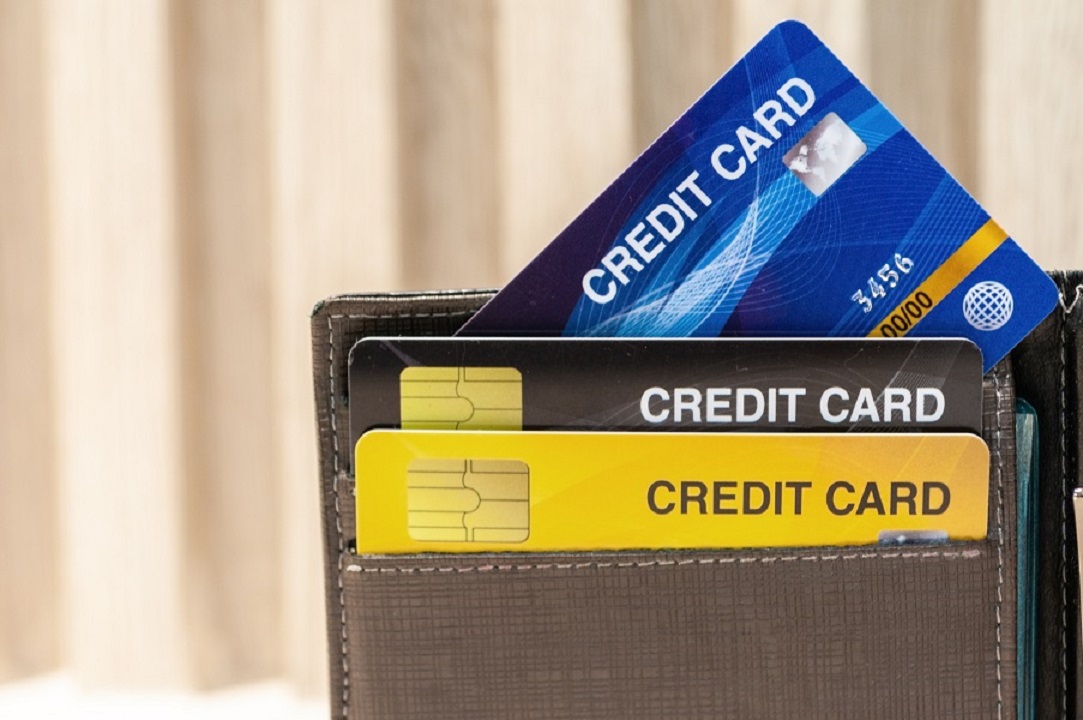
3. Myth: Credit Cards Are Always Bad

Credit cards often have a bad reputation, especially among those who have seen others fall into debt. While it’s true that irresponsible credit card use can lead to financial trouble, when used wisely, credit cards can be beneficial. They can help build credit history, provide rewards, and offer consumer protection.

The key is to use credit cards responsibly by paying off the balance in full each month and avoiding unnecessary purchases. Understanding how to manage credit effectively can turn credit cards into valuable financial tools rather than pitfalls.

4. Myth: Financial Education Is Only for Experts

Many believe that financial education is complex and only for experts. These financial myths discourage people from learning about personal finance, leading to poor financial decisions. However, basic financial literacy is accessible and can significantly impact one’s financial health.

Numerous free resources, such as online courses, books, and financial literacy programs, are available to help individuals understand personal finance. By dedicating time to learn about budgeting, investing, and saving, anyone can improve their financial knowledge and make better decisions.

5. Myth: Renting Is Wasting Money

The notion that renting is a waste of money compared to buying a home is a widespread myth. While homeownership can be a good investment, it’s not always the best option for everyone. Renting offers flexibility and can sometimes be more financially viable, especially in high-cost housing markets.

Those who escaped poverty often stress the importance of evaluating personal circumstances before making significant financial commitments. Renting can provide the opportunity to save money and invest in other areas until one is financially ready for homeownership.

6. Myth: You Can’t Save While Paying Off Debt

The belief that you must focus solely on paying off debt before saving is a common misconception. While prioritizing debt repayment is crucial, it’s also essential to build an emergency fund to handle unexpected expenses and avoid further debt.

A balanced approach involves allocating funds to both debt repayment and savings. Even a small emergency fund can provide a financial cushion and prevent setbacks on the journey to becoming debt-free.

7. Myth: A College Degree Guarantees Financial Success

While higher education can enhance earning potential, the myth that a college degree guarantees financial success is misleading. Many factors, including the chosen field of study, job market conditions, and personal financial management, play a role in achieving financial stability.

Those who have overcome financial struggles often emphasize the importance of practical skills, continuous learning, and financial literacy over merely obtaining a degree. Vocational training and alternative education paths can also lead to successful and fulfilling careers without the burden of student debt.

8. Myth: You Should Avoid All Risk with Your Money

Risk aversion is a common trait among those who have experienced financial instability. However, avoiding all risk can prevent wealth accumulation. The key is to understand and manage risk rather than avoid it entirely.

Investing in diversified assets, such as stocks, bonds, and real estate, can provide opportunities for growth while mitigating potential losses. Learning about risk management and making informed decisions can lead to better financial outcomes.

9. Myth: It’s Too Late to Start Saving for Retirement

Many believe that if they haven’t started saving for retirement early in their careers, it’s too late to begin. This myth can lead to inaction and a lack of preparation for retirement. However, it’s never too late to start saving and investing for the future.

Even those who start saving later in life can benefit from retirement accounts like 401(k)s and IRAs. Catch-up contributions and strategic planning can help build a substantial retirement fund, emphasizing that it’s the commitment to saving that matters most.

10. Myth: You Need a Financial Advisor to Manage Your Money

While financial advisors can provide valuable guidance, the myth that only they can manage money effectively is not entirely true. Many tools and resources are available for individuals to manage their finances independently.

Budgeting apps, online investment platforms, and financial education resources empower individuals to take control of their financial futures. For those who prefer professional advice, seeking a fiduciary advisor who acts in their best interest can be a beneficial choice.

Empowering Yourself with Financial Knowledge

Debunking these financial myths is crucial for empowering individuals to make informed and effective financial decisions. By challenging misconceptions and embracing financial education, anyone can improve their financial situation and work towards a stable and prosperous future. Remember, the journey to financial success is not about avoiding mistakes altogether but learning from them and making better choices moving forward. With the right mindset and knowledge, financial independence is within reach for everyone.


[Read more…]

Tiny Space, Big Dreams: 16 Genius Decorating Tips for Small Apartments

small apartment

In today’s urban landscape, small apartments have become the norm rather than the exception. While these cozy spaces offer affordability and efficiency, they can sometimes feel cramped and lacking in personality. However, with the right approach to decorating, even the tiniest of apartments can become stylish havens that reflect your personality and lifestyle. Here are 16 genius decorating tips to help you make the most of your small apartment.

1. Buy Multi-Functional Furniture

multifunctional furniture

Multi-functional furniture is a brilliant solution for maximizing space when decorating small apartments. Pieces like sofa beds serve dual purposes, providing seating during the day and transforming into comfortable sleeping spaces at night. Additionally, tables with built-in storage compartments offer functionality while minimizing clutter. Folding or expandable furniture such as wall-mounted desks or dining tables can be easily tucked away when not in use, optimizing space efficiency in compact environments.

2. Utilize Vertical Space

tall bookcase

Utilizing vertical space is a smart strategy for optimizing storage and functionality in tiny living spaces. Tall bookshelves or floor-to-ceiling cabinets not only add storage capacity but also draw the eye upward, creating a sense of height and openness. Hanging organizers or wall-mounted shelves help keep frequently used items within easy reach while freeing up valuable floor space. Incorporating loft beds or suspended storage solutions maximizes the usable area without sacrificing comfort or style, making the most of every square inch in compact environments.

3. Focus on Light Colors

light colors

Incorporating light colors in small spaces can work wonders to enhance the perceived size and brightness of the area. Pale hues such as soft creams, light grays, or pastel tones reflect natural light, creating an airy and spacious ambiance. Additionally, light-colored walls and furniture visually recede, giving the illusion of more space. Combining these tones with strategic lighting design further amplifies the sense of openness and comfort in compact living environments.

4. Hang Mirrors

mirror small apartment

Mirrors are invaluable assets when decorating small apartments. They are capable of instantly amplifying the perceived size and brightness of a room. Strategically placing mirrors opposite windows or light sources reflects natural light, illuminating the space and making it feel more expansive. Moreover, mirrors create depth by visually doubling the area they reflect, giving the impression of a larger room. By incorporating mirrors into décor, whether in the form of large wall-mounted panels or smaller accent pieces, one can effectively enhance the openness and functionality of compact living spaces.

5. Incorporate Foldable Furniture

foldable futon

Foldable furniture is a game-changer for small spaces, offering versatility and practicality without compromising on style. Pieces like foldable tables and chairs can be easily stowed away when not in use, freeing up valuable floor space for other activities. Additionally, foldable beds or sofas provide comfortable seating and sleeping options while maximizing room for movement during the day. Embracing foldable furniture solutions allows for flexible living arrangements in compact environments, enabling residents to adapt their space to various needs and preferences effortlessly.

6. Find Hidden Storage Solutions

hidden storage

Hidden storage solutions are essential for maximizing space in tiny apartments while maintaining a clean and organized aesthetic. Utilizing under-bed storage containers or drawers allows for efficient use of space that would otherwise go unused. Cleverly integrating storage compartments into furniture pieces, such as ottomans with hidden compartments or coffee tables with lift-up tops, conceals clutter while providing functional surfaces. Additionally, utilizing vertical storage solutions like wall-mounted shelving or overhead cabinets optimizes space without encroaching on floor area, creating a streamlined and efficient living environment in compact dwellings.

7. Scale Appropriately

small scale furniture

Scaling appropriately in small spaces involves selecting furniture and décor that complement the size of the room without overwhelming it. Opting for smaller-scale furniture pieces allows for comfortable movement and prevents the space from feeling cramped. Additionally, choosing furniture with legs rather than bulky bases creates a sense of openness by allowing light to flow underneath. By carefully considering the proportions of each element within the space, one can create a harmonious and balanced environment that feels cozy yet visually spacious in small living areas.

8. Create Zones

create zones small apartment

Creating zones in tiny spaces involves defining specific areas for different functions to maximize the utility of the space. Utilizing furniture arrangements, area rugs, or room dividers can delineate separate zones for living, dining, sleeping, and working. Multi-functional furniture pieces like sofa beds or folding desks can transition seamlessly between zones, optimizing versatility. Thoughtful zoning not only enhances organization and functionality but also contributes to a sense of order and purpose in small living environments.

9. Maximize Natural Light

natural light

Maximizing natural light in tiny spaces is crucial for creating an airy and spacious atmosphere. To achieve this, minimize window coverings or opt for sheer curtains that allow light to filter through while still providing privacy. Positioning mirrors strategically opposite windows can further amplify the natural light by reflecting it throughout the space. Additionally, keeping windowsills clear of clutter and choosing light-colored or reflective surfaces for walls and floors can help bounce light around, making the room feel larger and more inviting.

10. Use Mirrored Furniture

decorating small apartments with mirrored furniture

Incorporating mirrored furniture into small spaces can work wonders in enhancing the sense of openness and brightness. Mirrored surfaces reflect light, making the room appear larger and airier. Pieces, like mirrored coffee tables or dressers, add a touch of elegance while doubling as functional storage solutions. Furthermore, strategically placing mirrored furniture can create visual depth and dimension, contributing to a more spacious and inviting ambiance in compact living areas.

11. Opt for Transparent Furniture

decorating small apartments with transparent furniture

Opting for transparent furniture is an excellent strategy for maximizing the perception of space in small areas. Pieces made of materials like acrylic or glass provide functionality without visually cluttering the room. Transparent furniture, such as acrylic chairs or glass coffee tables, allows light to pass through, creating an open and airy feel. Moreover, their sleek and minimalist design adds a modern touch while maintaining a sense of spaciousness in compact living environments.

12. Declutter Regularly

declutter

Regular decluttering is essential in small apartments to maintain a sense of openness and organization. Taking time to purge unnecessary items and find proper storage solutions prevents the space from feeling cramped and chaotic. Implementing a routine for decluttering, whether weekly or monthly, ensures that clutter doesn’t accumulate and overwhelm the limited space. By regularly reassessing belongings and optimizing storage, residents can cultivate a serene and functional living environment in even the tiniest of spaces.

13. Embrace Minimalism

minimalism

Embracing minimalism in small apartments involves adopting a mindset of simplicity and intentionality in both design and lifestyle. Choosing essential furniture pieces and décor items that serve a purpose while avoiding excess clutter creates a serene and uncluttered living space. Opting for a neutral color palette, clean lines, and streamlined furnishings enhances the sense of openness and tranquility. By prioritizing quality over quantity and carefully curating belongings, residents can cultivate a minimalist haven that maximizes functionality and promotes a sense of calm in their small living quarters.

14. Add Plants

decorating small apartments with plants

Incorporating plants when decorating small apartments brings life and vibrancy to the space, while also providing numerous benefits. Plants not only improve air quality by absorbing toxins and releasing oxygen but also add a touch of natural beauty to indoor environments. Opting for small potted plants or hanging varieties maximizes space utilization without overwhelming the room. Additionally, plants can be strategically placed to visually divide spaces or draw attention away from less desirable features, enhancing the overall ambiance of the apartment.

15. Choose Leggy Furniture

decorating small apartments with leggy furniture

Decorating with leggy furniture for small apartments is a smart strategy for maximizing the sense of space and lightness in the room. Furniture with exposed legs creates an illusion of openness by allowing light to pass underneath, making the area feel less cluttered. Opting for sofas, chairs, and tables with slender legs also visually elevates the furniture, contributing to a more spacious and airy atmosphere. This design choice not only enhances the aesthetics of the space but also enhances functionality by facilitating easy cleaning and movement around the room.

16. Personalize with Accessories

couple accessorize small apartment

Personalizing small apartments with carefully curated accessories adds character and charm to the space without overwhelming it. Incorporating items like throw pillows, rugs, artwork, and decorative accents in your preferred style and color scheme infuses the space with your unique personality. Opt for versatile pieces that can easily be swapped out or rearranged to keep the décor fresh and dynamic. By selectively adding accessories that resonate with you, you can transform your small apartment into a cozy and inviting retreat that feels like home.

Transforming Your Small Spaces with Smart Design

decorating small apartments

By incorporating these genius decorating tips for small apartments, you can transform your home into a stylish and functional space that feels much larger than it actually is. With a little creativity and ingenuity, even the tiniest of apartments can become a cozy retreat you’re proud to call home.

Read More

14 Safety Tips for Seniors Who Enjoy Walking Alone

12 Things You Want to Know About AI, But Are Afraid To Ask

Credit Card Safety 101: Protecting Yourself from Fraud and Identity Theft

Credit card safetyIn today’s digital age, credit card fraud and identity theft are growing concerns for consumers. With cybercriminals employing increasingly sophisticated tactics, it’s crucial to stay vigilant and take proactive steps to protect your financial information. It’s important to learn how to keep your financial information secure and avoid common pitfalls. This guide offers essential tips on credit card safety to help you safeguard your assets and maintain peace of mind.

1. Monitor Your Accounts Regularly

Regularly monitoring your credit card accounts is one of the most effective ways to detect and prevent fraud. Review your statements for any unauthorized transactions and report suspicious activity to your credit card issuer immediately. Many banks and credit card companies offer online and mobile banking services that allow you to check your account balances and transactions in real time.

Setting up account alerts can also help you stay informed about your account activity. These alerts can notify you of large purchases, foreign transactions, or any changes to your account information, enabling you to act quickly if something seems amiss.

2. Use Strong and Unique Passwords

Using strong, unique passwords for your online banking and credit card accounts is crucial for credit card safety. Avoid using easily guessable passwords, such as “password123” or your birthdate. Instead, create complex passwords that include a combination of letters, numbers, and special characters.

Additionally, avoid reusing passwords across multiple accounts. If one account is compromised, using the same password for other accounts can put all of your financial information at risk. Consider using a password manager to generate and store unique passwords securely.

3. Enable Two-Factor Authentication

Two-factor authentication (2FA) adds an extra layer of security to your credit card accounts by requiring two forms of verification to access your account. Typically, this involves something you know (your password) and something you have (a code sent to your phone or email).

Enabling 2FA can significantly reduce the risk of unauthorized access, even if your password is compromised. Most banks and credit card issuers offer 2FA as an option, and it’s a simple yet effective way to enhance your account security.

4. Be Cautious with Public Wi-Fi

Public Wi-Fi networks are often unsecured, making it easier for cybercriminals to intercept your data. Avoid accessing your credit card accounts or making online purchases while connected to public Wi-Fi. If you must use public Wi-Fi, consider using a virtual private network (VPN) to encrypt your internet connection and protect your information.

A VPN creates a secure tunnel for your data, preventing hackers from accessing your sensitive information. It’s a valuable tool for maintaining privacy and security when using the internet in public places.

5. Keep Your Card Information Private

Protecting your credit card information is essential to prevent fraud. Avoid sharing your card details over the phone or through email, especially if you didn’t initiate the contact. Be cautious of unsolicited requests for your credit card information, as these could be phishing attempts.

When making online purchases, ensure that the website is secure. Look for “https://” in the URL and a padlock symbol in the address bar, indicating that the site uses encryption to protect your data. Stick to reputable retailers and avoid entering your card information on unfamiliar or suspicious websites.

6. Shred Sensitive Documents

Physical documents containing your credit card information can be a goldmine for identity thieves. Shred any documents that contain your card numbers, bank statements, or other sensitive information before disposing of them. This prevents criminals from obtaining your information through dumpster diving or other means.

Investing in a good quality shredder is a small price to pay for the added security it provides. Make it a habit to shred any mail or documents that contain personal or financial information to keep your details safe.

7. Report Lost or Stolen Cards Immediately

If your credit card is lost or stolen, report it to your card issuer immediately. Most credit card companies have 24/7 customer service lines for reporting lost or stolen cards. Promptly reporting the loss can help prevent unauthorized transactions and limit your liability.

Once reported, your card issuer will typically cancel the lost or stolen card and issue a new one with a different number. Monitor your account closely for any suspicious activity during this transition period and notify your issuer of any unauthorized transactions.

8. Use Credit Instead of Debit Cards

Using a credit card instead of a debit card for purchases can offer better protection against fraud. Credit cards typically come with stronger consumer protections under federal law, limiting your liability for unauthorized transactions. Additionally, fraudulent charges on a credit card don’t directly impact your bank account balance, giving you time to resolve the issue with your card issuer.

Debit cards, on the other hand, draw funds directly from your bank account, and recovering stolen funds can be more challenging and time-consuming. For these reasons, credit cards are generally a safer option for everyday transactions.

9. Educate Yourself About Phishing Scams

Phishing scams are a common tactic used by cybercriminals to steal your credit card information. These scams often involve fraudulent emails, texts, or phone calls that appear to be from legitimate sources, such as your bank or credit card issuer. They may ask you to provide your card information or click on a malicious link.

Stay vigilant and learn to recognize phishing attempts. Never provide your credit card information in response to unsolicited requests. If you receive a suspicious message, contact your bank or card issuer directly using a trusted phone number to verify its legitimacy.

10. Regularly Check Your Credit Report

Monitoring your credit report can help you detect signs of identity theft early. By reviewing your report regularly, you can spot any unfamiliar accounts or inquiries that may indicate fraudulent activity. You’re entitled to a free credit report from each of the three major credit bureaus (Equifax, Experian, and TransUnion) once a year through AnnualCreditReport.com.

If you find any discrepancies or suspicious activity on your credit report, report it to the credit bureau and your card issuer immediately. Taking prompt action can help mitigate the damage and restore your credit.

11. Limit the Number of Credit Cards You Carry

Carrying multiple credit cards increases the risk of losing one or having it stolen. It’s advisable to limit the number of cards you carry daily, keeping only those you use regularly. Store the others in a secure place at home.

In case your wallet is lost or stolen, having fewer cards to report can simplify the process of canceling and replacing them. It also reduces the potential damage if your cards fall into the wrong hands.

12. Consider Credit Monitoring Services

Credit monitoring services can provide an added layer of credit card safety by alerting you to changes in your credit report. These services can notify you of new accounts opened in your name, hard inquiries, and other significant changes that may indicate identity theft.

While some credit monitoring services come at a cost, many banks and credit card issuers offer free monitoring tools as part of their account features. Weigh the benefits and choose a service that suits your needs to enhance your credit card safety.

Staying Vigilant and Proactive

Protecting yourself from credit card fraud and identity theft requires vigilance and proactive measures. By following these tips, you can enhance your credit card safety and reduce the risk of falling victim to fraud. Remember, staying informed and cautious is your best defense against cybercriminals. Regularly update your security practices, monitor your accounts, and educate yourself about the latest scams to keep your financial information secure. With these strategies, you can enjoy the convenience of credit cards while safeguarding your assets and peace of mind.

[Read more…]

Vanishing Professions: 12 Jobs Facing a Challenging Future in the Next Decade

Vanishing professionsTechnological advancements, automation, and shifts in consumer behavior are rapidly transforming the job market. Some professions that were once considered stable and lucrative are now facing significant challenges and potential decline. As we move further into the digital age, understanding which jobs are at risk can help workers prepare for the future and adapt to changing economic landscapes. Here are 12 vanishing professions facing a challenging future in the next decade.

1. Travel Agents

The rise of online travel booking platforms has significantly reduced the demand for traditional travel agents. Consumers can now plan and book their vacations with a few clicks, often finding better deals than those offered by travel agencies. This shift has led to a steady decline in the need for travel agents.

However, travel agents who specialize in niche markets or offer personalized services may still find opportunities. By focusing on luxury travel, destination weddings, or adventure tourism, they can differentiate themselves from automated booking systems and provide unique value to clients.

2. Cashiers

With the increasing adoption of self-checkout systems and mobile payment technologies, the role of cashiers is one of the more quickly vanishing professions. Retailers are investing in automated solutions to improve efficiency, reduce costs, and enhance customer experience. As a result, fewer cashiers will be needed in the future.

To stay relevant, individuals in this profession may need to acquire new skills and transition into roles that require human interaction and problem-solving, such as customer service or sales associates. Adapting to technological changes will be key to maintaining employment in the retail sector.

3. Postal Workers

The decline in traditional mail and the rise of digital communication have negatively impacted the postal service industry. While package delivery has seen growth due to e-commerce, the overall demand for postal workers is expected to decrease as fewer people send letters and physical documents.

Postal workers may need to explore opportunities in logistics and delivery services, particularly with the growing demand for efficient last-mile delivery solutions. Adapting to the evolving needs of the e-commerce market can help mitigate the impact of declining traditional mail services.

4. Print Journalists

The shift from print to digital media has drastically altered the landscape for journalists. Print newspapers and magazines have experienced significant declines in circulation and advertising revenue, leading to layoffs and closures. Digital platforms offer news for free, reducing the demand for paid print journalism.

Journalists can adapt by embracing digital skills, such as multimedia storytelling, social media engagement, and data journalism. Developing expertise in digital content creation and distribution can help them stay relevant in the evolving media landscape.

5. Telemarketers

The increasing prevalence of call-blocking technology and regulations against unsolicited calls have made telemarketing one of the vanishing professions. Consumers are more likely to ignore or block telemarketing calls, leading to a decline in the demand for telemarketers.

Sales professionals can pivot to roles that focus on inbound marketing, customer relationship management, and digital marketing strategies. By leveraging technology and data analytics, they can engage with customers in more meaningful and effective ways.

6. Bank Tellers

The banking industry is undergoing a digital transformation, with more customers using online and mobile banking services. Automated teller machines (ATMs) and digital payment systems have reduced the need for in-person transactions, leading to a decline in the demand for bank tellers.

Bank tellers can transition into roles that require a human touch, such as financial advisors, customer service representatives, or loan officers. Emphasizing interpersonal skills and financial knowledge will be essential for remaining relevant in the evolving banking industry.

7. Textile and Apparel Workers

Automation and outsourcing have significantly impacted the textile and apparel manufacturing industry. Machines can now perform tasks that were once done by hand, and many companies have moved production to countries with lower labor costs, reducing the demand for domestic textile and apparel workers.

Workers in this industry may need to reskill and explore opportunities in advanced manufacturing, such as operating and maintaining automated machinery or developing expertise in sustainable fashion practices. Staying abreast of industry trends and technological advancements will be crucial.

8. Data Entry Clerks

Automation and artificial intelligence (AI) have streamlined data entry processes, reducing the need for manual data entry clerks. Software solutions can now capture, process, and analyze data more efficiently and accurately than humans.

Data entry clerks can transition to roles that require data analysis, interpretation, and management. Developing skills in data science, database management, and analytics will provide more opportunities in the increasingly data-driven economy.

9. Radio Announcers

The rise of digital streaming services and podcasts has transformed the radio industry. Traditional radio announcers face declining listenership as audiences shift to on-demand audio content. This trend has led to radio announcers becoming vanishing professions.

Radio professionals can adapt by embracing digital platforms and creating podcasts or online radio shows. Building a strong personal brand and leveraging social media can help them reach new audiences and stay relevant in the changing media landscape.

10. Librarians

The digitalization of information and the widespread availability of online resources have reduced the traditional role of librarians. With more people accessing information online, the demand for physical libraries and librarians has declined.

Librarians can pivot by focusing on digital literacy, information management, and community engagement. Providing guidance on navigating digital resources, curating online content, and supporting lifelong learning initiatives can help librarians remain valuable in the digital age.

11. Assembly Line Workers

Advancements in robotics and automation have transformed manufacturing processes, reducing the need for manual assembly line workers. Automated systems can perform repetitive tasks more efficiently and with greater precision, leading to vanishing professions in this sector.

Assembly line workers can reskill and transition into roles that involve operating, programming, and maintaining automated systems. Embracing technology and continuous learning will be essential for adapting to the changing manufacturing landscape.

12. Farmers

While farming itself is not vanishing, the role of traditional farmers is evolving due to advancements in agricultural technology. Precision farming, automation, and genetically modified crops are changing the way food is produced, reducing the need for manual labor on farms.

Farmers can adapt by embracing new technologies and practices, such as using drones for crop monitoring, adopting sustainable farming methods, and exploring agribusiness opportunities. Staying informed about industry innovations and market trends will help farmers navigate the changing agricultural landscape.

Adapting to the Future of Work

As the job market continues to evolve, staying informed and adaptable is crucial for navigating the future of work. Understanding which vanishing professions are at risk and proactively seeking opportunities to reskill and transition into new roles can help individuals stay competitive and resilient. By embracing technology, continuous learning, and innovative practices, workers can not only survive but thrive in an ever-changing economic landscape. The future may be uncertain, but with the right mindset and preparation, it offers endless possibilities for growth and success.

[Read more…]