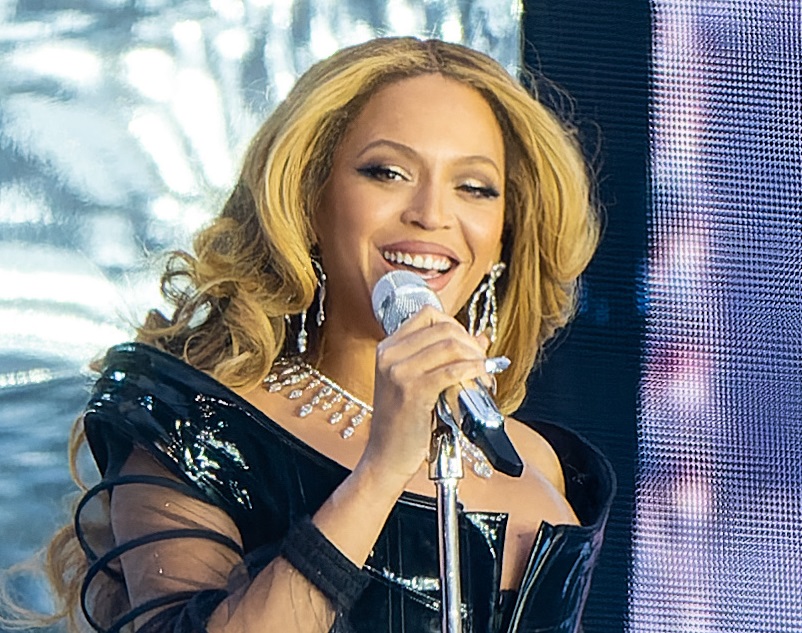
The Queen of The Beyhive and Global Superstar: What is Beyonce’s Net Worth?

Beyonce net worthBeyonce Knowles-Carter, the epitome of talent, elegance, and empowerment, has long reigned as one of the most influential figures in the music industry. From her early days as a member of Destiny’s Child to her solo career as an iconic performer, Beyonce’s journey to stardom is nothing short of legendary. But beyond her unparalleled artistry, fans and admirers alike are often left wondering: What is Beyonce’s net worth? Let’s delve into the finances behind the Queen of The Beyhive’s empire.

From Destiny’s Child to Solo Sensation

Beyonce’s rise to fame began with Destiny’s Child, the chart-topping girl group that dominated the late ’90s and early 2000s music scene. With hit after hit, the group solidified its status as one of the best-selling female groups of all time, laying the groundwork for Beyonce’s solo career.

In 2003, Beyonce embarked on her solo journey with the release of her debut album, “Dangerously in Love.” The album’s success catapulted her to solo superstardom, earning her multiple Grammy Awards and establishing her as a force to be reckoned with in the music industry.

A Multifaceted Career

Beyond her music career, Beyonce has expanded her empire through various ventures. From acting in blockbuster films to launching her own fashion line, Ivy Park, and beauty brand, Ivy Beauty, Beyonce has proven herself to be a savvy businesswoman with an eye for success.

Her influence extends far beyond the realms of music and entertainment. Beyonce’s philanthropic efforts, including her work with charities and advocacy for social justice causes, have cemented her legacy as not only a global superstar but also a compassionate humanitarian.

Estimating Beyonce’s Net Worth

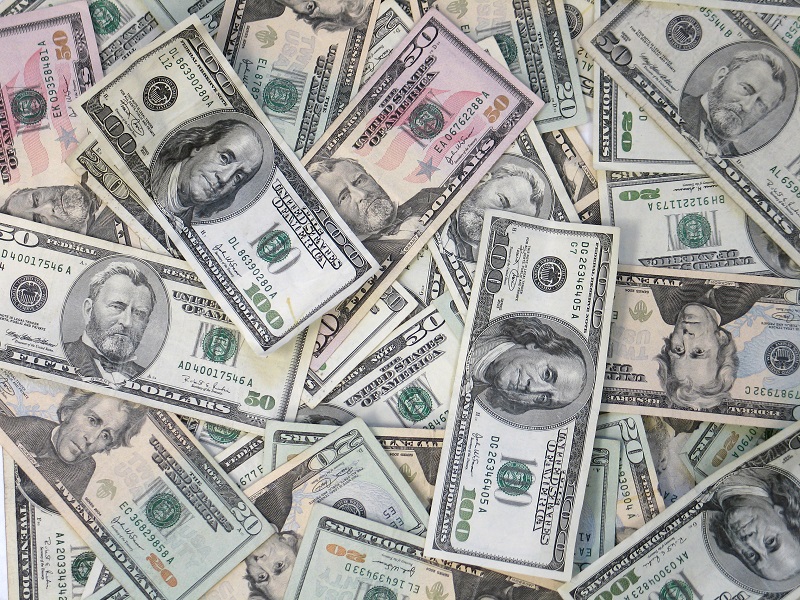
While exact figures may vary depending on sources, it’s estimated that Beyonce’s net worth exceeds hundreds of millions of dollars. According to Forbes, BeyoncĂ©’s net worth reached $800 million as of 2023, making her one of the wealthiest musicians in the world. Her earnings stem from a combination of album sales, tours, endorsements, business ventures, and investments, solidifying her status as a true mogul.

Future Effects On Net Worth

Beyonce’s net worth is a testament to her unparalleled talent, hard work, and dedication to her craft. From her humble beginnings in Houston, Texas, to her reign as the Queen of The Beyhive and a global icon, Beyonce’s journey is one of resilience, empowerment, and triumph. As she continues to inspire audiences around the world with her music, activism, and entrepreneurship, there’s no doubt that Beyonce’s net worth will continue to soar, further solidifying her status as one of the most influential figures of our time.

What do you think Beyonce’s net worth will be in 2025? Let us know in the comments below!
[Read more…]

12 Fast Food Items None Of Us Should Be Eating

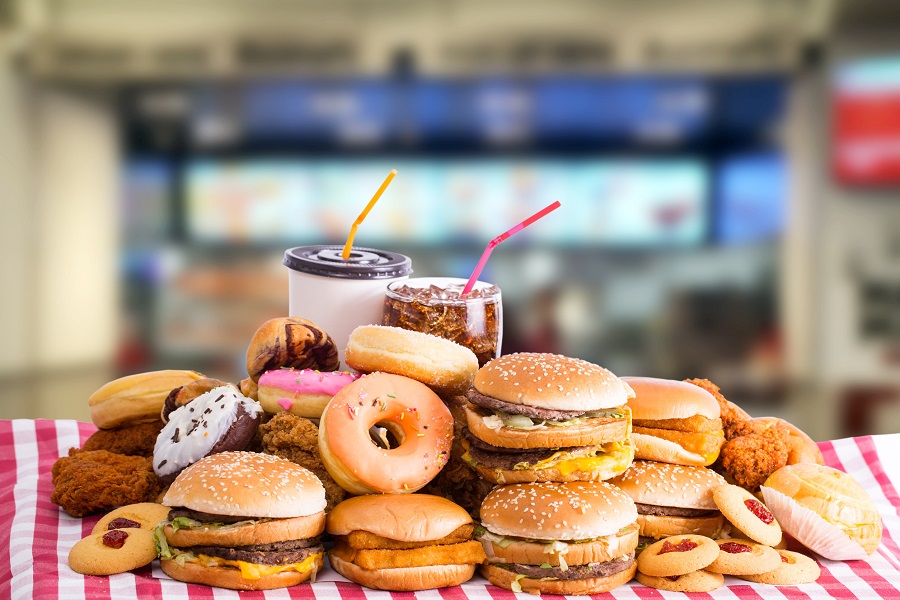
Fast FoodFast food has become a staple in the diets of many people worldwide, prized for its convenience, taste, and affordability. However, not all fast food items are created equal, with some posing significant health risks due to high levels of saturated fats, sugars, sodium, and calories. This article aims to shed light on 12 fast food items that are particularly detrimental to health, explaining the nutritional pitfalls and offering suggestions for healthier alternatives.

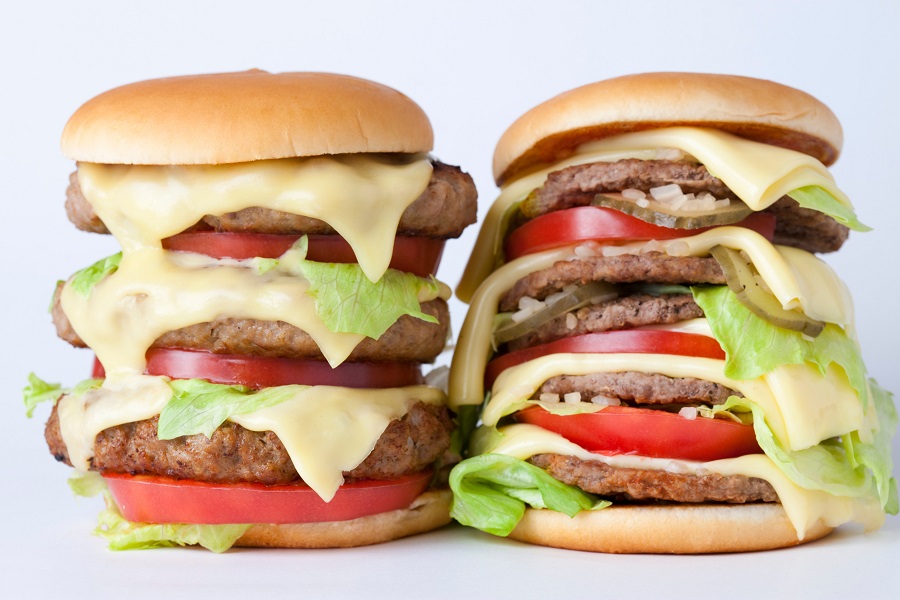
1. Super-Sized Burgers

The allure of super-sized burgers, with their multiple beef patties and layers of cheese and bacon, is undeniable. However, these menu items are often calorie bombs, packed with saturated fat and sodium. Opting for a single patty burger, or even better, a grilled chicken or veggie burger, can significantly reduce your intake of unhealthy fats and calories.

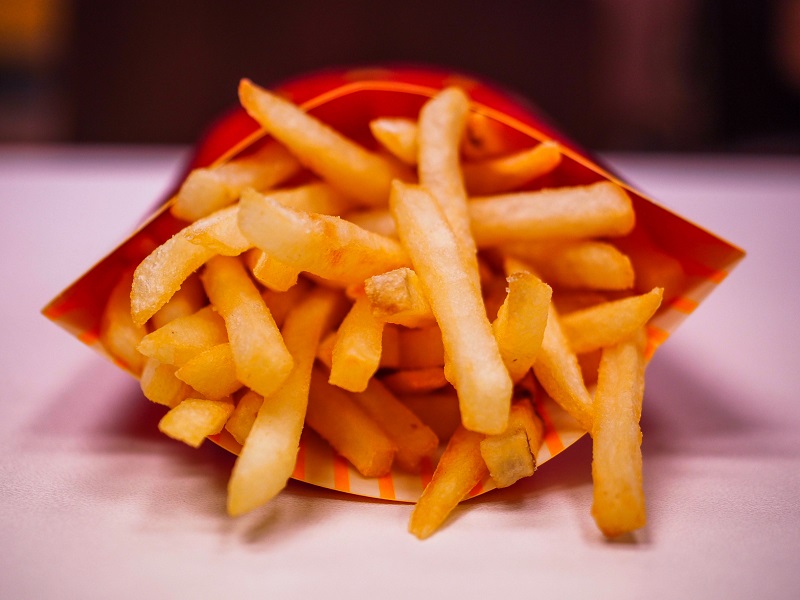
2. Large Fries

French fries are a fast food staple, but their high caloric content and cooking method make them a less-than-ideal choice. Fried in oil, they’re rich in trans fats and sodium, contributing to heart disease risk. Consider swapping them out for a side salad or baked potato to get your fix of comfort food without the health drawbacks.

3. Sugary Soft Drinks

The oversized soft drinks offered at fast food outlets are a major source of added sugars in the diet, contributing to obesity, type 2 diabetes, and tooth decay. Opting for water, unsweetened iced tea, or sparkling water can quench your thirst healthily without the sugar overload.

4. Creamy Milkshakes

Milkshakes might seem like a fun treat, but they’re essentially dessert in a cup, loaded with sugar, fat, and calories. Choosing a small size or opting for a fruit-based smoothie made with low-fat milk or yogurt can offer the creamy satisfaction with a fraction of the calories.

5. Fried Chicken

Fried chicken, with its crispy, flavorful coating, is hard to resist but is another fast food item high in trans fats and sodium. Opting for grilled or baked chicken can provide a protein-rich meal without the unhealthy fats.

6. Cheese-Stuffed Crust Pizza

Pizza with cheese-stuffed crusts takes an already indulgent meal to a new level of fat and calorie content. Choosing a thin-crust pizza with vegetable toppings can satisfy your pizza craving in a healthier way, offering more nutrients and fewer calories.

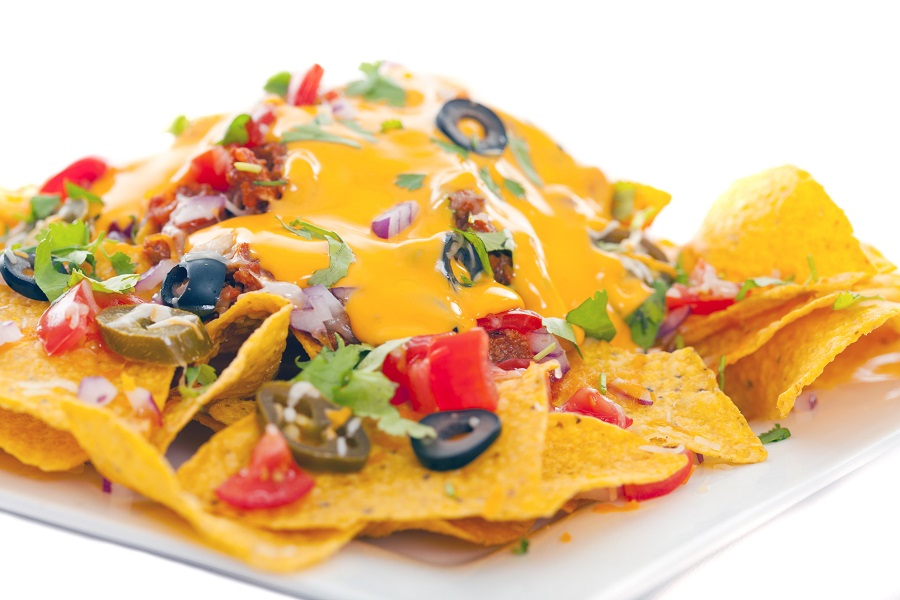
7. Loaded Nachos

Nachos topped with cheese, sour cream, and other high-calorie toppings can quickly turn a snack into a calorie-heavy meal. For a lighter option, look for nachos with plenty of salsa, beans, and grilled vegetables, and hold the extra cheese and sour cream.

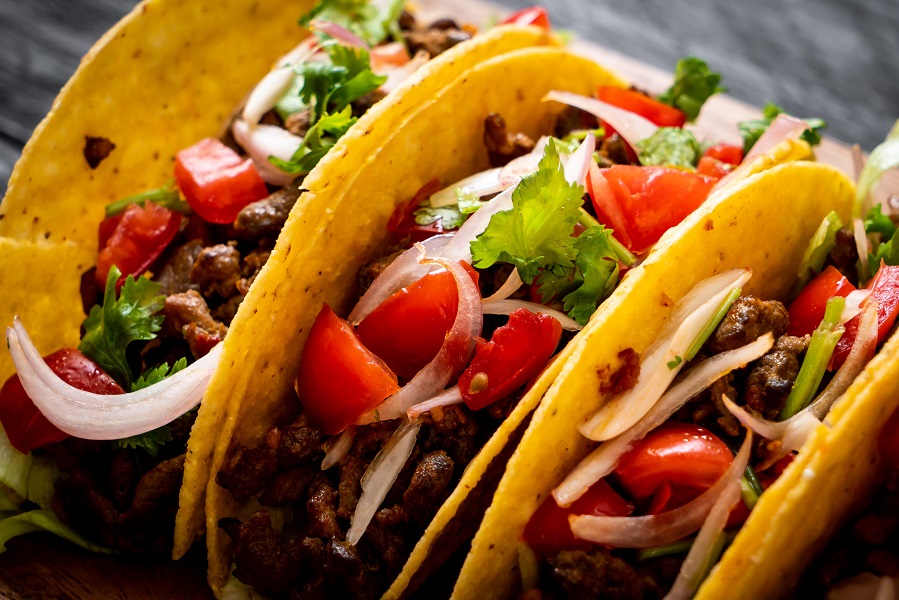
8. Giant Tacos

Giant tacos filled with ground beef, cheese, and sour cream are a fast food item high in calories, fat, and sodium. Choosing tacos with grilled chicken, fish, or veggies as the main filling can provide a healthier, yet still flavorful, alternative.

9. Breakfast Sandwiches

Fast food breakfast sandwiches, often made with processed meat, cheese, and eggs on a refined flour bun, can be a heavy way to start the day. Opt for a whole grain wrap with egg whites and plenty of vegetables for a lighter, nutrient-packed breakfast option.

10. Crispy Chicken Salads

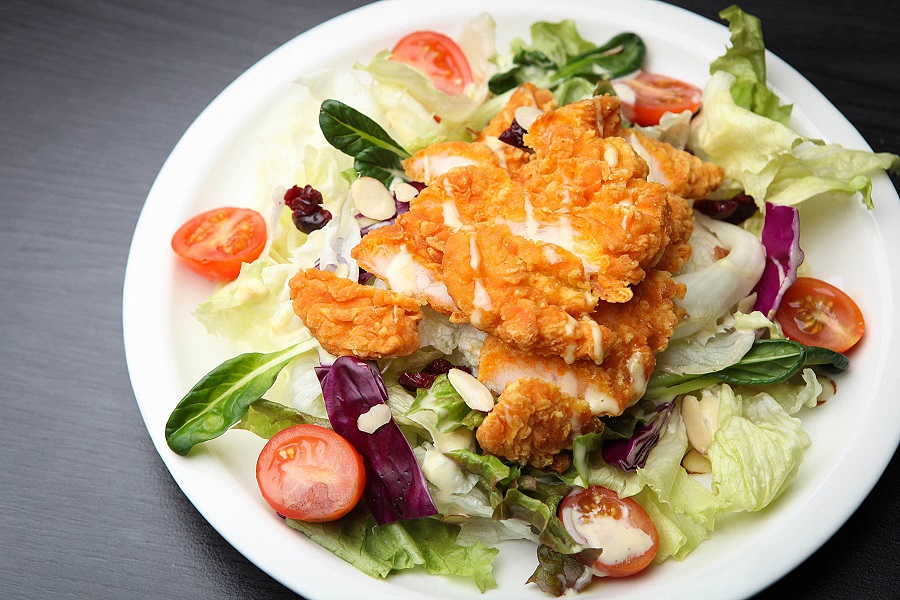
Salads might seem like a healthy choice, but when topped with crispy (fried) chicken, high-fat dressings, and croutons, they can be anything but. Opt for salads with grilled chicken and ask for the dressing on the side to control the amount you consume.

11. Extra-Cheesy Mac and Cheese

Mac and cheese from fast food restaurants is often made with heavy cream and loads of cheese, making it a high-fat, high-calorie choice. When craving this comfort food, look for a side portion and balance it with a green salad.

12. Oversized Pastries

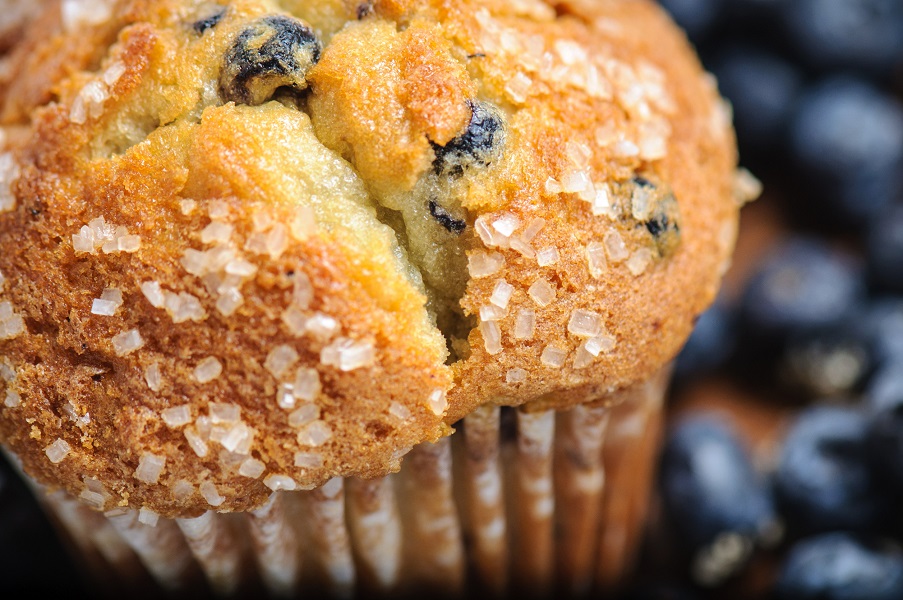
The pastries offered at fast-food chains, including muffins and cinnamon rolls, are often significantly oversized and high in sugar and fat. Opting for a piece of fresh fruit or a plain yogurt with a sprinkle of granola can satisfy your sweet tooth in a much healthier way.

Making Healthier Choices

Navigating the fast food menu doesn’t have to derail your healthy eating goals. By being mindful of the items that are best avoided and knowing the healthier alternatives, you can enjoy the convenience of fast food without compromising your health. Remember, moderation is key, and making informed choices can help you maintain a balanced diet even when you’re dining on the go.

[Read more…]

Wealth vs. Poverty: 11 Alarming Statistics That Highlight the Growing Gap

wealth and povertyIn today’s world, the divide between wealth and poverty is not just a topic of economic discussions but a visible reality affecting billions globally. Despite advancements in technology, healthcare, and education, the gap between the rich and the poor continues to widen, raising concerns about social stability, equitable access to resources, and the overall health of our global community. Here, we delve into 11 alarming statistics that shed light on the growing disparity between wealth and poverty, underscoring the urgent need for systemic changes.

1. Global Wealth Concentration

As of the latest reports, the wealthiest 1% of the world’s population now holds over 40% of the world’s wealth. This concentration of riches in the hands of a few highlights not just an economic imbalance but a staggering disparity in access to opportunities and resources.

2. Living on Less Than $1.90 a Day

Despite global efforts to reduce extreme poverty, an estimated 700 million people still live on less than $1.90 a day, the World Bank’s threshold for extreme poverty. This figure underscores the harsh reality of survival for many, in a world where wealth accumulation seems to know no bounds.

3. Wealth Inequality Within Nations

In many countries, the richest 10% earn up to 40 times more than the poorest 10%. Such disparities within nations not only fuel social and economic tensions but also hinder the overall development and wellbeing of societies.

4. Child Poverty Rates

In some of the world’s wealthiest nations, child poverty rates exceed 20%. This alarming statistic points to a grim future where generations grow up facing the barriers of inadequate education, healthcare, and nutrition, perpetuating the cycle of poverty.

5. Billionaire Wealth During Global Crises

Reports have highlighted that the world’s billionaires saw their wealth increase by over $1 trillion during the COVID-19 pandemic, a period marked by economic struggle for millions. This stark contrast exemplifies how global crises can exacerbate wealth disparities.

6. Access to Education

Over 260 million children worldwide do not attend school, with poverty being a leading barrier to education. Lack of education further limits economic opportunities, trapping families in a cycle of poverty.

7. Healthcare Disparities

In low-income countries, the probability of dying before age 5 can be up to 60 times higher than in high-income countries. Such disparities in healthcare access and quality are stark indicators of how wealth gaps translate into life-and-death consequences.

8. Housing and Homelessness

An estimated 150 million people globally are homeless, with over 1.6 billion lacking adequate housing. This statistic not only reflects the direct impact of economic disparity but also the fundamental right to shelter denied to many.

9. The Gender Wealth Gap

Women, especially in developing countries, are disproportionately affected by poverty. They earn, on average, 60 to 75% of men’s wages, contributing to a gender wealth gap that hinders economic progress and equality.

10. Climate Change and Poverty

Climate change disproportionately affects the world’s poorest, with over 100 million people at risk of falling into poverty by 2030 due to climate-related impacts. This highlights the intersection of environmental degradation and economic vulnerability.

11. Food Insecurity

Nearly 690 million people, or 8.9% of the world’s population, suffer from chronic undernourishment. The stark contrast between food waste in affluent societies and hunger in impoverished communities underscores the ethical implications of wealth and poverty.

Bridging the Divide

The statistics above paint a stark picture of a world where the wealth gap continues to widen, threatening the fabric of societies and the future of millions. Addressing this growing disparity requires a concerted effort from governments, businesses, and individuals to promote equitable policies, sustainable economic practices, and a renewed commitment to social justice. By working together to bridge the gap between wealth and poverty, we can pave the way for a more inclusive and prosperous future for all.

[Read more…]

10 Amazing Baby Boomer Artists That Never Got The Recognition They Deserved

Baby Boomer artistsThe Baby Boomer generation, spanning from 1946 to 1964, has witnessed and contributed to some of the most significant cultural and societal shifts in modern history. Within this cohort, numerous artists have pushed the boundaries of expression and technique, though not all have been celebrated in the annals of art history. Here, we spotlight 10 incredible Baby Boomer artists whose work deserves a second look.

1. Elena Herrera

A visionary painter, Elena Herrera’s work in the late 60s and 70s captured the tumult and hope of the era with vibrant colors and evocative imagery. Despite her profound influence on other Baby Boomer artists, Herrera’s contributions have been overshadowed by more commercially successful contemporaries. Her canvases, rich with the exploration of human emotion and societal change, remain poignant reminders of the era’s complexities.

2. Marcus Thompson

Thompson, a sculptor who experimented with recycled materials long before it became a mainstream practice, crafted pieces that comment on consumerism and environmental degradation. His innovative use of discarded items to create thought-provoking and aesthetically compelling sculptures was ahead of its time. Unfortunately, the art world’s focus on traditional mediums often left his work on the margins.

3. Carolyn Ames

An abstract expressionist whose work was characterized by its emotional depth and striking use of color, Ames never achieved the fame of her male counterparts. Despite her prolific output and the critical acclaim she received in smaller circles, her name rarely appears in discussions of Baby Boomer artists. Her paintings, however, continue to captivate those who encounter them, serving as a testament to her talent.

4. David Lin

Lin’s intricate ink drawings blend traditional Asian techniques with Western motifs, creating a unique fusion that speaks to the global exchange of ideas and culture. His work, deeply personal and meticulously detailed, has been exhibited in various local galleries but has never received the broader recognition it merits. Lin’s artistry bridges worlds, offering viewers a mesmerizing glimpse into a shared human experience.

5. June Patterson

A photographer who documented the civil rights movement, Patterson’s images captured the era’s raw intensity and the dignity of those fighting for justice. Her ability to convey the emotional weight of moments, both monumental and mundane, is unparalleled. Yet, Patterson’s contributions have been largely overlooked in favor of more famous Baby Boomer artists, leaving a gap in our collective memory of the movement’s visual legacy.

6. Alexis Gerard

Gerard’s experimental films of the late 60s and early 70s combined surreal imagery with social commentary, challenging viewers to see the world through a different lens. Despite the initial buzz in avant-garde circles, mainstream acclaim eluded him, and his work remains largely unknown to the wider public. Gerard’s films, however, are early precursors to many of the techniques and themes popular in contemporary cinema.

7. Marta Vasquez

A master of textile art, Vasquez’s tapestries tell stories of cultural identity and displacement, weaving together threads of personal and collective history. Her innovative approach to a traditional medium revitalized interest in textile arts within her community, though her influence has not been widely acknowledged. Vasquez’s work stands as a vibrant record of resilience and creativity.

8. Ronald Dean

Dean’s large-scale environmental installations of the early 70s sought to highlight the interconnectedness of man and nature. Often temporary and subject to the elements, his work questioned the permanence of art and its role in society. Despite the profound questions his installations raised, Dean’s name is seldom mentioned in discussions of influential Baby Boomer artists.

9. Samantha Yi

Yi’s bold graphic designs and posters became icons of feminist and anti-war movements, yet her name remains largely unknown. Her ability to distill complex ideas into powerful visual statements made her work highly effective as tools of communication and protest. Yi’s designs continue to inspire a new generation of activists, even if her contribution has not been fully recognized.

10. Jerome Watkins

A jazz musician and painter, Watkins’ canvases are imbued with the rhythms and improvisation of jazz, translating musical concepts into visual form. His interdisciplinary approach was groundbreaking, yet Watkins has remained on the fringe of both the music and art worlds. His work encapsulates the fusion of sound and sight, offering a multisensory experience that defies categorization.

Celebrating Unsung Talents

The artists listed above represent just a fraction of the Baby Boomer generation’s creative minds who have yet to receive their due recognition. Their contributions to the arts reflect the era’s dynamism and diversity. Rediscovering these Baby Boomer artists not only enriches our understanding of the past but also informs our contemporary cultural context.

[Read more…]