Shocking, Outrageous, or Simply Absurd: 7 Business Leaders Whose Antics Have Americans Buzzing

The year 2023 has unraveled like a blockbuster script in the world of business, with a cast of corporate titans and maverick leaders whose actions have bordered on the unbelievable. In a narrative brimming with audacity and controversy, these figures have not merely pushed the envelope; they have torn it to shreds, leaving the public and financial spheres in a state of exhilarated shock.

At the forefront is the spectacular implosion of FTX, a crypto empire that crumbled under a scandal so profound it shook the very foundations of the digital currency world. Then there’s the unexpected unraveling of Silicon Valley Bank, a once-stalwart institution in the tech industry, undone by a rapid and shocking downfall. Add to this mix the audacious moves by AMC with its “Sightline” plan, a bold yet ill-fated attempt at redefining the cinema experience that ended in public outcry.

And who could overlook the saga of Elon Musk, the quintessential tech maverick, whose every move—from Neuralink’s ethical dilemmas to the Twitter takeover—has become a source of relentless debate and fascination?

These stories are more than mere corporate headlines; they are a testament to the unpredictable, often outrageous nature of modern business leadership. In 2023, the world of business has not just entertained and stunned; it has rewritten the playbook on ambition, innovation, and controversy.

1. FTX and Sam Bankman-Fried: A Crypto Catastrophe

FTX, a once-celebrated titan in the cryptocurrency market, faced a dramatic and devastating downfall in 2023. Valued at a staggering $32 billion at its peak, FTX turned out to be a facade for fraudulent activities. The company’s rapid collapse was triggered when Changpeng “CZ” Zhao, the founder of Binance and a potential acquirer, liquidated his holdings of FTX’s cryptocurrency, causing a domino effect. This decision exposed a gaping hole in FTX’s balance sheet, leading to a catastrophic crash in the value of its FTT tokens.

The fallout was severe, dragging multiple businesses, including the Inc. 5000’s top-ranked BlockFi, into bankruptcy. FTX’s founder, Sam Bankman-Fried, now faces legal repercussions, awaiting sentencing after being found guilty on multiple counts of fraud and conspiracy. This incident not only shocked the crypto world but also raised serious questions about the regulatory oversight of the burgeoning cryptocurrency market.
2. Silicon Valley Bank: A Banking Meltdown

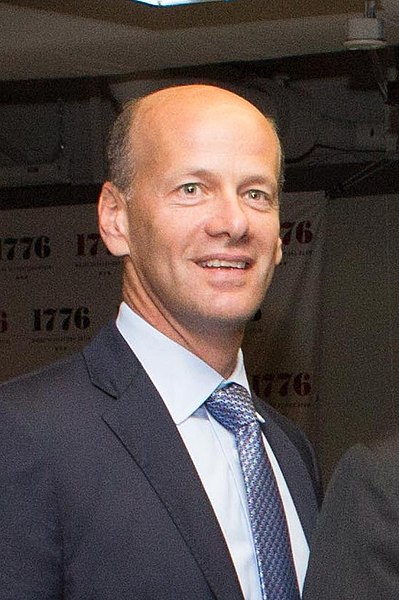
In March 2023, CEO Greg Becker and Silicon Valley Bank, a financial haven for venture capitalists and startups, dissolved into chaos. A sudden bank run saw customers withdraw an astonishing $42 billion in deposits within a mere 48 hours. The bank’s fall can be attributed to its failure in managing duration risk in its bond portfolio, compounded by rising interest rates.

This implosion of a bank that had been a cornerstone in the venture capital world sent shockwaves through the financial industry, highlighting the vulnerabilities of banks heavily invested in the startup ecosystem and the importance of robust risk management strategies in the banking sector.

3. Charlie Javice and Frank: The Startup Saga

Charlie Javice’s journey with Frank, a startup aimed at simplifying college financial aid, was a rollercoaster that caught significant attention. Javice, hailed as a rising star in the entrepreneurial world, sold Frank to JP Morgan Chase for an impressive $175 million in 2021.

However, the subsequent shuttering of the company painted a different picture, turning Javice’s story from a dream startup exit to a cautionary tale about the volatile nature of entrepreneurial ventures. This episode serves as a stark reminder of the uncertainties in the startup landscape, where success stories can quickly turn into sobering lessons.
4. AMC’s “Sightline” Plan: A Misguided Gamble

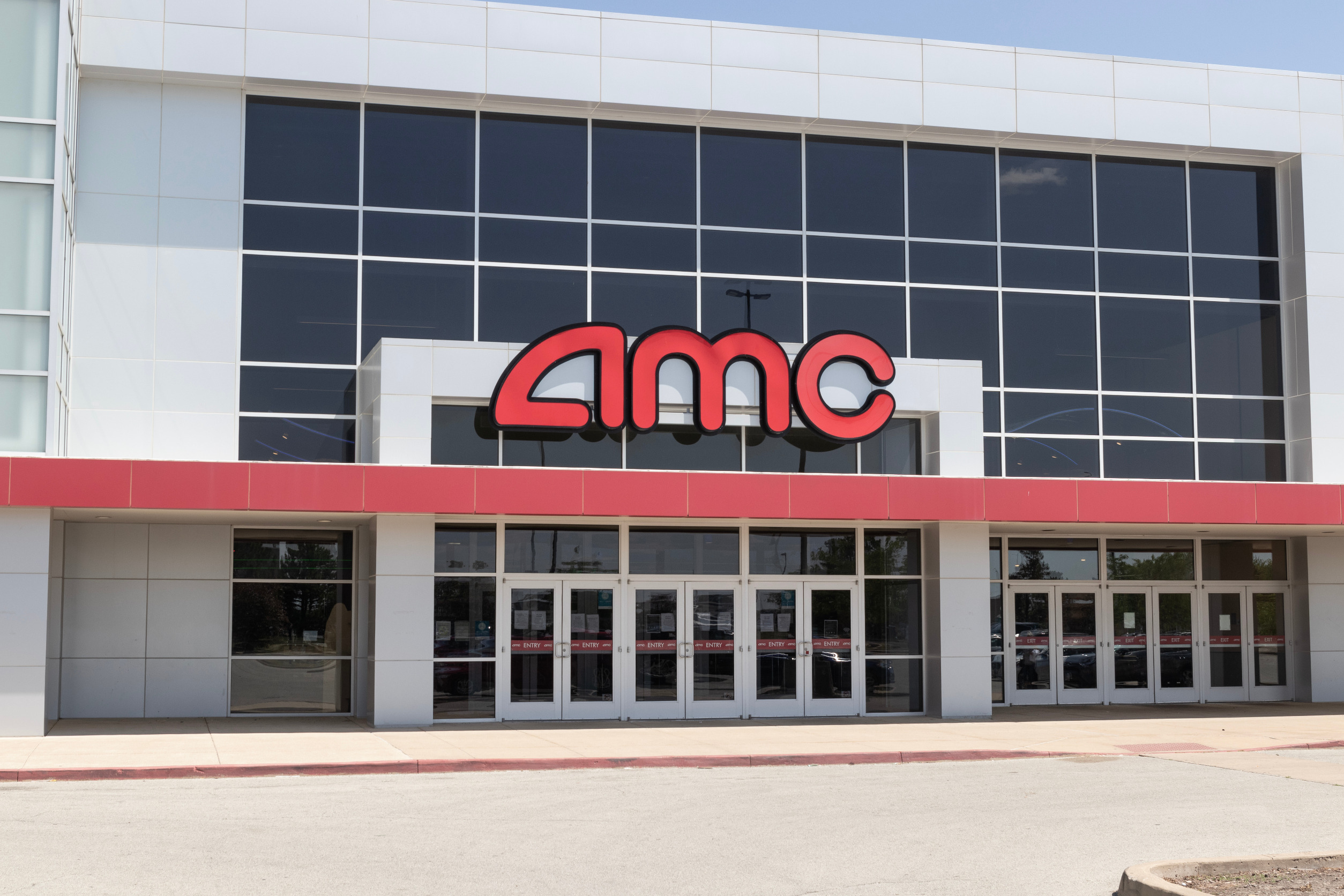
AMC, in an attempt to innovate within the struggling movie theater industry, introduced the “Sightline” plan, a pricing strategy akin to airline seating. The plan, which involved charging different prices based on seat location and quality, backfired spectacularly. Customers, accustomed to uniform pricing in movie theaters, reacted negatively to what they perceived as a nickel-and-diming strategy.

The pilot program in select cities failed, leading AMC to swiftly abandon the plan. This misstep by AMC highlights the challenges traditional entertainment venues face in adapting to changing consumer preferences and the importance of understanding customer sentiment in strategic decisions.

5. Cruise’s Autonomous Vehicle Debacle

Cruise, a subsidiary of General Motors, faced significant setbacks in its quest to revolutionize urban transportation with driverless taxis. The company, which had been testing autonomous vehicles in San Francisco for years, encountered a severe blow when one of its vehicles was involved in an accident that resulted in a pedestrian being dragged.

The incident, compounded by the company’s initial failure to disclose the pedestrian’s involvement, led to the indefinite suspension of its service by the California Department of Motor Vehicles. Following the controversy, CEO Kyle Vogt resigned, leaving the company’s future uncertain. This episode underscores the challenges and ethical considerations in the development and deployment of autonomous vehicle technology.
6. Reddit’s API Controversy: A Community Clash

Reddit, a platform renowned for its user-driven content and democratic ethos, faced a significant backlash from its community in June 2023. The company’s decision to charge third-party app developers for access to its API was met with fierce opposition from users, many of whom preferred third-party apps for a better user experience.

This policy change contradicted Reddit’s foundational principles and sparked a revolt among its core user base, highlighting the delicate balance tech companies must maintain between monetization strategies and community values.
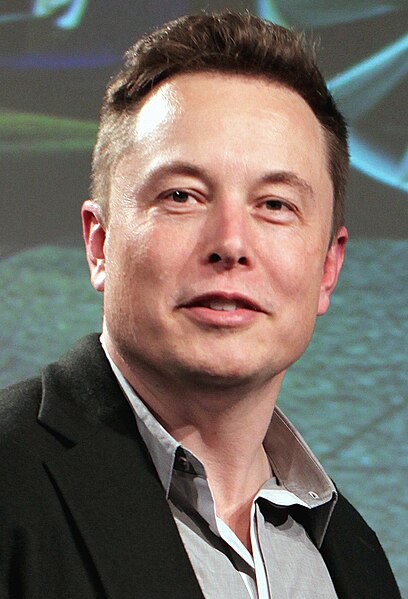
7. Elon Musk’s Neuralink: Ethical Dilemmas in Tech Innovation

Elon Musk, a figure no stranger to controversy, found himself at the center of another storm with Neuralink, his startup focused on developing computerized brain implants. Veterinary records revealed that 12 monkeys had died during the testing of these implants, leading to public outcry and accusations of securities fraud.

So, what’s the big lesson? It’s like asking if playing a game is fun or if it hurts someone. These stories remind us that businesses need to think about people and be really careful. As we get ready for a new year, we wonder what other surprises businesses have for us!

 

Can Dairyfree Milk Be Worth Millions? Here’s What The Founders of Numilk Are Worth

Numilk networth

Plant-based milk alternatives have exploded in popularity in recent years and one company uniquely positioned to take advantage of the trend is Numilk. Numilk is currently a leading manufacturer of devices that allow consumers to make plant-based milk alternatives at home, but most people know the name from the company’s founders’ successful pitch on the popular TV show “Shark Tank.” The stated goal of the company is to make plant-based milk affordable for everyone but many people are curious about the exact net worth of the founders of Numilk.

What Is Numilk?

Food-tech company Numilk makes kiosk machines and Keurig-type gadgets for making plant-based milk alternatives with a particular focus on fresh almond milk. The machines use almonds and purified water with maple syrup optional as a sweetener. Users simply grab a bottle, place it into the proper position in the machine, and choose between sweetened and unsweetened options. In less than a minute, the machine produces fresh plant-based milk with a hassle-free and eco-friendly process.

Numilk’s kiosk machines are marketed to grocery stores, food vendors, and cafes and are approximately the size of two refrigerators. They also offer a smaller version of the machine for home use and milk pouch options that include almonds, cashews, pistachios, and oat milk. Some pouches have sweetened and unsweetened options and also come with latte, protein, and mocha versions.

Numilk Founders And History

Numilk was founded as a joint venture between Joseph Savino and Ari Tolwin. When they merged forces, both came to the table with experience in the beverage industry. The visionary entrepreneurs wanted to revolutionize the consumption of plant-based milk and seem to be succeeding with their pioneering creation.

Ari Tolwin grew up in Southfield, New York, and had entrepreneurial ambitions early in life. He completed a Master’s in Business at Duke University and in 2013, he co-founded beverage company Happy Tree Maple Water. He served as CEO of the company for five years before shutting the company down to pursue other endeavors.

Joe Savino is also from New York and completed his university education by earning a Bachelor’s in Business Administration from Pace University’s Lubin School of Business. He served as an Operation Manager at 121 Inflight Catering and in 2013, he co-founded beverage contract packer Harvest Beverage Group.

In 2017, Tolwin and Savino joined forces to launch Numilk. At first, they struggled to get the business off of the ground but an appearance in front of the wealthy investors on “Shark Tank” in 2021 turned their fortunes around. Esteemed investor Mark Cuban was interested in the company’s potential to capitalize on the increasing interest in plant-based milk alternates and agreed to invest in the company.

Today, the company’s products are sold in 133 stores across the US. The company maintains an active online presence on Twitter, Instagram, and Facebook to inform its customers about the latest product offerings and promotional updates.

Founders of Numilk Networth And Assets

The Numilk company is not publicly traded, so there is no public information about its finances available to review. However, the company has an estimated value of between $55 million and $70 million, according to published reports. The company is believed to earn between $8 million and $13 million in revenue annually.

The net worth of the founders of Numilk is even more difficult to pin down. It has been reported that Mark Cuban made an estimated $1.9 billion from his holdings in the company in 2018. His “Shark Tank” agreement with the founders was for $2 million with $1 million in cash in exchange for 7% equity and the rest as a loan with 3% interest. The company also raised $12 million from investors and raised over $222,000 from a Kickstarter campaign. Since then, NuMilk has had consistent growth in both net worth and sales.

Future Effects On Networth

While Numilk has struggled with supply chain issues, the company is still banking on expanding the business. Towards the end of 2022, the company reached a deal with Hamilton Beach for manufacturing their Home and Pro machines. The founders are also reportedly negotiating with Whole Foods and looking for more wholesale partners with grocery stores and coffee shops. The company notably uses no preservatives, gums, processed sweeteners, or fillers, attracting interest from those who want to live a healthier lifestyle. The promise of Numilk’s products is substantial.

What do you think the net worth of the founders of Numilk will be in 2025? Let us know in the comments below!

[Read more…]

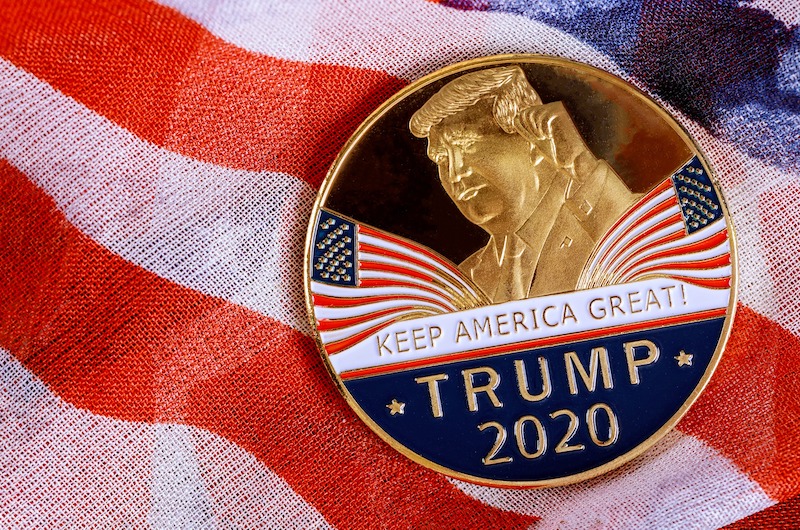
6 Stupid Financial Mistakes That Trump Made During His Presidency and Why We Should Care Now

trump

It’s no secret that 2020 was a year filled with controversy and unpredictability. While the COVID-19 pandemic took center stage, another topic that deserves attention is the financial mistakes made by former President Donald Trump during his time in office. In this article, we will delve into the six major financial blunders made by the Trump administration and explore why we should care about them now.

Understanding Trump’s Financial Missteps

In order to grasp the impact of these mistakes, it is crucial to have an understanding of the role economic policies play in shaping a presidency. From tax reforms to trade wars, every decision has the potential to influence the financial well-being of a nation. So, let’s take a closer look at Trump’s approach to fiscal management.

Trump’s Approach to Fiscal Management

When it came to fiscal management, Trump had an unconventional approach. While some argue that his policies were aimed at boosting the economy, others contend that they were short-sighted and detrimental in the long run. Let’s examine the six major financial mistakes made during his presidency.

The Six Major Financial Mistakes

Misstep 1: The Tax Cuts and Jobs Act

One of the most significant financial blunders of the Trump administration was the passing of the Tax Cuts and Jobs Act. While touted as a reform aimed at stimulating economic growth, it primarily benefited the wealthy and increased the national debt substantially. This misstep laid the foundation for future fiscal challenges.

Misstep 2: Trade War with China

In an attempt to address the trade imbalance with China, Trump initiated a trade war that had far-reaching consequences. While his intentions might have been noble, the reality is that this move resulted in increased prices for everyday goods and harmed American businesses, especially farmers who were heavily impacted by retaliatory tariffs.

Misstep 3: The National Debt Surge

Despite campaigning on a promise to reduce the national debt, Trump’s presidency saw a surge in debt levels. This surge was fueled by tax cuts, increased military spending, and limited efforts to cut government expenditures. The long-term consequences of this debt burden could be significant and detrimental to future generations.

Misstep 4: Dismantling of Financial Regulations

In an attempt to roll back the regulatory framework put in place after the 2008 financial crisis, Trump dismantled several financial regulations. This move was intended to spur economic growth, but it also exposed the nation to potential risks and vulnerabilities. The lack of oversight and accountability could have grave consequences in the future.

Misstep 5: The Response to COVID-19 Economic Crisis

The global COVID-19 pandemic presented a unique set of challenges for economies around the world. Trump’s initial dismissal and delayed response to the crisis significantly impacted the economic recovery. The lack of a cohesive and coordinated approach had long-lasting effects on businesses, jobs, and the overall well-being of the nation.

Misstep 6: The Push for a Weaker Dollar

In an attempt to boost exports and reduce trade deficits, Trump openly advocated for a weaker dollar. While this might provide a short-term boost to exports, it also poses risks to the stability of the global financial market. A weaker dollar could lead to inflation, reduced purchasing power, and a loss of confidence in the U.S. economy.

The Impact of These Financial Mistakes

Short-Term Effects on the Economy

The short-term effects of these financial mistakes are already apparent. From increased national debt to trade disruption, the economy has experienced turbulence. Businesses, particularly those reliant on international trade, have faced uncertainty and challenges, resulting in potential job losses and economic downturns.

Long-Term Consequences for the US Economy

Looking ahead, it is crucial to consider the long-term consequences of these financial mistakes. The accumulating debt, reduced regulatory framework, and weakened position in global trade could have lasting negative effects on the U.S. economy. It is essential to address these issues proactively to prevent their long-term impact from becoming insurmountable.

Why We Should Care Now

Lessons for Future Economic Policies

Reflecting on Trump’s financial mistakes provides valuable lessons for future presidents and policymakers. It serves as a reminder that short-sighted policies focused solely on immediate gains can have far-reaching consequences. Moving forward, it is crucial to adopt a more comprehensive and thoughtful approach to economic policy.

The Importance of Fiscal Responsibility in Leadership

Trump’s financial missteps highlight the importance of fiscal responsibility in leadership. As citizens, we must demand accountability from our elected officials. By supporting leaders who prioritize responsible fiscal management, we can help ensure a more stable and prosperous future for our nation.

The Role of Citizens in Economic Accountability

Ultimately, it is us, the citizens, who hold the power to demand economic accountability. By staying informed, engaging in discussions, and participating in the democratic process, we can actively shape economic policies that reflect the best interests of our nation.

The financial mistakes made during Trump’s presidency should not be overlooked or dismissed. From tax cuts that primarily benefited the wealthy to trade wars and a surge in national debt, these missteps have long-term implications for the U.S. economy. It is crucial that we learn from these mistakes and hold our leaders accountable for responsible fiscal management in order to secure a stable and prosperous future for our nation.

Read More:

Making Money Moves in Rapping: What is Blueface’s Net Worth?

My Big Fat Fabulous Financial Life: What is Whitney Way Thore’s Net Worth?

Unmasking the Money Moves: The Mysterious World of Andrew Tate’s Net Worth

Making Money Moves in Rapping: What is Blueface’s Net Worth?

Blueface net worth

American Blueface is a rapper and songwriter who rose to fame in 2018 after one of his music videos went viral. Since then, he has had many musical projects and amassed a huge fan base across the nation. Although he is best known for his music, he is also known for his many run-ins with the law, leading to expensive legal expenses and settlements. So with all this taken into consideration, fans want to know what exactly would Blueface’s net worth be.

Who Is Blueface?

Born Jonathan Michael Porter in Los Angeles, California on January 20, 1997, Blueface spent his early years with his mother in the Santa Clarita Valley before moving in with his father, who lived in Oakland. He attended Arleta High School, where he was involved in both the football team and the marching band. He also played football at North Carolina’s Fayetteville State University before leaving to pursue his music career. He currently has two children — son Javaughn and daughter Journey, with ex-girlfriend Jaidyn Alexis.

At the beginning of his rap career, he went by the name Blueface Bleedem, a reference to the School Yard Crips street gang. By 2018, he had shortened it to Blueface and released his breakout single, “Respect My Cryppin,” which went viral on social media. This attention quickly made Blueface one of the most popular rappers in the world. That year, he also signed with Cash Money West, rapper Birdman’s Cash Money Records label’s West Coast branch.

He continued to rise in popularity, releasing the songs “Thotiana,””Bleed It,” and “Stop Cappin” to wide acclaim. His songs have reached as high as #8 on the Billboard Hot 100. An Instagram contest to determine which Los Angeles area high school he should visit also helped with his popularity, with Pasadena High School winning the honor. Blueface has also been a featured artist on a number of songs and has collaborated with many other artists, including Cardi B and Lil Wayne.

In addition to his music career, he has also stepped out as an amateur boxer, competing on the undercard of Bare Knuckle Fighting Championship 19. His first match was against TikTok star Kane Trujillo, which he won by unanimous decision. He reportedly has other fights scheduled for the future.

Beyond his rapping and boxing, Blueface is known for having multiple encounters with the law in various states. Throughout the years, he has been charged with shooting at an occupied vehicle, felony gun possession, discharging a firearm into an occupied structure, and attempted murder for a shooting in Las Vegas, Nevada. He was sent to prison in the Clark County Detention Center and eventually pleaded guilty to lesser charges and was sentenced to three years on probation, with a 2-5 year sentence hanging over his head if he violated his probation.

The owner of the Las Vegas strip club where the shooting occurred sued the rapper over a loss of revenue, claiming that he was forced to shut down the Euphoric Gentlemen’s Club as a direct result of the incident. A $13 million judgment was awarded to the club owner in October 2023. Blueface did not challenge the case in court or have an attorney arguing for him during the proceedings.

Blueface Net Worth And Assets

According to published reports, Blueface net worth is estimated to be between $4 million and $7 million. The exact amount is hard to pin down as the amount that he makes from his music career has not been disclosed. Most reports put these earnings at about $2 million per year. He also earns money from his social media presence, with this amount estimated to be between $500,000 and $1 million per year.

Blueface also has a presence in the real estate world. He is known to have purchased a $1.22 million home in Chatsworth, California, a $1.4 million mansion in the Summerlin community of Las Vegas, and a  $1 million home in the Henderson suburb of Las Vegas. He also reportedly owns a commercial building and a vacant lot in Las Vegas.

It is no surprise that his legal issues have negatively impacted his net worth. Some estimates put the cost of these legal problems at about half of the wealth he has earned. Since 2019, he has spent at least $2.5 million on attorney fees and court settlements.

Future Effects On Net Worth

A big factor in Blueface’s future net worth will be whether his legal troubles will be resolved or compounded. He is expected to continue earning money from his lucrative music career as long as he is able to stay out of prison. He also can count on his large fan base to continue supporting him on social media, which will also add to his future net worth.

What do you think Blueface’s net worth will be in 2025? Let us know in the comments below!

[Read more…]