How to Become Debt-Free: 10 Tips That Work

debt free
In today’s fast-paced world, accumulating debt can happen quickly and easily. From student loans to credit card balances, the weight of debt can feel overwhelming and never-ending. However, achieving financial freedom is possible with the right strategies and mindset. This guide will provide you with ten effective tips to help you become debt-free and take control of your financial future.

1. Assess Your Financial Situation

assess your current financial situation

The first step toward becoming debt-free is to get a clear understanding of your current financial situation. Start by listing all your debts, including credit cards, student loans, car loans, and mortgages. Note down the interest rates and minimum monthly payments for each. This will give you a comprehensive overview of where you stand and help you prioritize your debt repayment strategy.

2. Create a Budget and Stick to It

budget
A well-structured budget is essential for managing your finances and paying off debt. Track your income and expenses meticulously to identify areas where you can cut back. Allocate a portion of your income specifically for debt repayment. Sticking to your budget may require discipline, but it’s a crucial step in achieving financial freedom.

3. Use the Snowball Method

paying debt
The snowball method is a popular debt repayment strategy that can provide quick wins and build momentum. Start by paying off your smallest debt first while making minimum payments on the others. Once the smallest debt is paid off, move on to the next smallest, and so on. This method can boost your motivation as you see your debts disappearing one by one.

4. Consider the Avalanche Method

cutting credit card

The avalanche method focuses on paying off debts with the highest interest rates first, which can save you money in the long run. Make minimum payments on all debts except the one with the highest interest rate. Once that debt is paid off, move to the next highest interest rate debt. This strategy can be more cost-effective, though it may take longer to see initial results compared to the snowball method.

5. Cut Unnecessary Expenses

unnecessary spending
Review your spending habits and identify non-essential expenses that you can eliminate or reduce. This could include dining out less frequently, canceling unused subscriptions, or finding more affordable alternatives for everyday purchases. Redirect the money saved from these cuts toward your debt repayment plan. Small changes in your spending can add up to significant progress over time.

6. Increase Your Income

tending to money
Finding ways to boost your income can accelerate your journey to becoming debt-free. Consider taking on a side hustle, freelancing, or asking for a raise at your current job. Additional income can provide extra funds to put toward debt repayment. The more you earn, the faster you can pay off your debts and achieve financial stability.

7. Negotiate with Creditors

negotiate with creditors

Don’t be afraid to contact your creditors and negotiate better terms. You may be able to lower your interest rates, reduce your monthly payments, or even settle for a lower amount if you can pay a lump sum. Creditors are often willing to work with you if they see you are making an effort to pay off your debt. Effective negotiation can lighten your financial burden and make it easier to manage your repayments.

8. Avoid Accumulating New Debt

avoid new debt

While paying off your current debts, it’s crucial to avoid accumulating new ones. Resist the temptation to use credit cards or take out new loans unless absolutely necessary. Focus on living within your means and making purchases with cash or a debit card. Building better financial habits will help ensure that you stay debt-free once you’ve paid off your existing obligations.

9. Build an Emergency Fund

emergency fund
An emergency fund acts as a financial safety net, preventing you from falling back into debt when unexpected expenses arise. Aim to save at least three to six months’ worth of living expenses in a separate, easily accessible account. Having this cushion will provide peace of mind and protect your progress toward becoming debt-free. Start small if necessary and gradually increase your savings over time.

10. Seek Professional Help if Needed

financial advisor

If you find it challenging to manage your debt on your own, consider seeking help from a financial advisor or a credit counseling service. Professionals can offer personalized advice, help you create a repayment plan, and provide support throughout your journey. Sometimes, an outside perspective can make a significant difference in overcoming financial challenges. With the proper guidance, you can achieve your goal of being debt-free.

Stay Committed and Be Patient

financial freedom
Becoming debt-free is a marathon, not a sprint. Stay committed to your repayment plan, and be patient with your progress. Celebrate small victories along the way to keep yourself motivated. With dedication and persistence, you can achieve financial freedom and enjoy the peace of mind that comes with being debt-free.

Read More

The Debt Common Denominator: These 10 Things Are Most Likely To Keep You In Debt

10 Reasons You Should Reconsider Plastic Surgery

Sound Like The Smartest Person In The Room: 10 Words That Will Make You Sound Smarter

make you sound smarterIn today’s fast-paced world, communication is key. The ability to articulate your thoughts clearly and intelligently can set you apart in both professional and social settings. One effective way to enhance your communication skills is by incorporating sophisticated vocabulary into your everyday language. Here are 10 words that will make you sound smarter and more articulate, helping you stand out as the smartest person in the room.

1. Ubiquitous

The word “ubiquitous” means present, appearing, or found everywhere. It is often used to describe something that is pervasive or omnipresent. For example, “Smartphones have become ubiquitous in modern society.” Using “ubiquitous” in conversation can demonstrate your awareness of widespread trends or phenomena. It’s a versatile word that can be applied in various contexts, from technology to cultural observations.

2. Alacrity

“Alacrity” refers to brisk and cheerful readiness. It’s a term that conveys enthusiasm and eagerness. For instance, “She accepted the invitation with alacrity.” Incorporating “alacrity” into your vocabulary can make you sound smarter, as well as highlight your positive attitude and willingness to engage. It’s a powerful word that can enhance your descriptions of responsiveness and enthusiasm.

3. Ephemeral

“Ephemeral” means lasting for a very short time. It is often used to describe fleeting moments or temporary phenomena. For example, “The beauty of the sunset was ephemeral.” Using “ephemeral” can show your appreciation for transient experiences and your ability to articulate the impermanent nature of certain events. It adds depth to your descriptions and demonstrates a nuanced understanding of time.

4. Sycophant

A “sycophant” is a person who acts obsequiously toward someone important to gain an advantage. It is synonymous with terms like flatterer or yes-man. For instance, “The office sycophant was always trying to curry favor with the boss.” Describing someone as a “sycophant” can convey your ability to recognize insincere flattery and manipulation. It’s a strong term that can effectively critique social dynamics and power structures as well as make you sound smarter.

5. Pernicious

“Pernicious” means having a harmful effect, especially in a gradual or subtle way. It’s used to describe something that is destructively influential. For example, “The pernicious influence of social media on self-esteem is well-documented.” Using “pernicious” can demonstrate your awareness of underlying harmful effects and your ability to discuss complex issues with precision. It’s a word that adds weight to your critiques.

6. Esoteric

“Esoteric” refers to something that is intended for or likely to be understood by only a small number of people with specialized knowledge. For instance, “The professor’s lecture on quantum mechanics was quite esoteric.” Incorporating “esoteric” into your language can show your appreciation for specialized knowledge and complex subjects. It’s a word that can make you sound smarter, convey your intellectual curiosity, and display your depth of understanding.

7. Obfuscate

“Obfuscate” means to render obscure, unclear, or unintelligible. It’s often used in contexts where someone is making something deliberately confusing. For example, “The politician’s speech seemed designed to obfuscate the real issues.” Using “obfuscate” can demonstrate your ability to identify and call out attempts to confuse or mislead. It’s a powerful term for discussing clarity and transparency.

8. Ineffable

“Ineffable” describes something too great or extreme to be expressed or described in words. For example, “The ineffable beauty of the natural landscape left everyone in awe.” Using “ineffable” can show your ability to recognize and articulate the limitations of language in capturing profound experiences. It’s a word that conveys a deep appreciation for the sublime.

9. Fastidious

“Fastidious” means very attentive to and concerned about accuracy and detail. For instance, “She was known for her fastidious approach to editing.” Incorporating “fastidious” into your vocabulary can make you sound smarter, highlight your attention to detail, and show your commitment to precision. It’s a word that can enhance your descriptions of meticulousness and thoroughness.

10. Magnanimous

“Magnanimous” describes someone who is very generous or forgiving, especially toward a rival or less powerful person. For example, “He was magnanimous in victory, praising his opponents graciously.” Using “magnanimous” can convey your understanding of noble qualities and your ability to recognize and articulate acts of generosity and forgiveness. It’s a word that adds a sense of nobility to your language.

Elevate Your Conversations

Expanding your vocabulary with sophisticated words like these can significantly enhance your communication skills and make you sound smarter in any setting. By thoughtfully incorporating these terms into your everyday language, you can articulate your ideas more clearly and leave a lasting impression on your audience. Remember, the key to sounding intelligent is not just using big words, but using them appropriately and effectively. Elevate your conversations and stand out as the smartest person in the room by mastering these powerful words.

[Read more…]

15 Underpriced Items People Foolishly Keep Buying The More Expensive Versions Of

expensive versionsIn a world where brand names and high price tags often equate to perceived quality, many people overlook underpriced items that offer equal or even better value. However, higher cost doesn’t always mean better quality. Understanding that can save you a significant amount of money on your purchases. Here are 15 underpriced items that people foolishly keep buying the more expensive versions of, and why you should consider switching to these budget-friendly alternatives.

1. Generic Medications

Brand-name medications often come with a hefty price tag, but generic versions contain the same active ingredients and are just as effective. The FDA ensures that generics meet the same standards for safety, strength, and quality. Switching to generic medications can save you a substantial amount on your healthcare expenses. Always consult with your doctor or pharmacist to confirm that a generic version is available and appropriate for your needs.

2. Store-Brand Groceries

Many people believe that name-brand groceries are superior in quality, but store-brand products are often produced by the same manufacturers. The main difference is the packaging and the price. Store-brand items, from cereal to canned goods, offer the same taste and nutritional value at a fraction of the cost. Trying out store-brand options can help you cut your grocery bill without sacrificing quality.

3. Discounted Designer Clothes

High-end fashion brands often charge a premium for their labels, but you can find less expensive versions at outlet stores, discount retailers, or during sales. These alternatives offer the same chic looks without the exorbitant prices. Shopping smartly by looking for discounts, sales, and off-season deals can keep you fashionable while staying within your budget. Explore thrift stores and consignment shops for gently used designer pieces at a fraction of the cost.

4. Off-Brand Electronics

Top-brand electronics often come with high markups, but lesser-known brands frequently offer similar features and performance at lower prices. Research and read reviews to find reliable off-brand options that meet your needs. From smartphones to headphones, many off-brand electronics provide excellent value and durability. Making informed choices can help you enjoy the latest technology without paying a premium.

5. Generic Batteries

Brand-name batteries can be expensive, yet generic batteries often perform just as well for everyday use. Whether for remote controls, flashlights, or toys, generic options offer comparable longevity and power. Buying generic batteries in bulk can lead to significant savings over time. Always check product reviews to ensure you’re getting a reliable and cost-effective alternative to the expensive versions.

6. Over-the-Counter Beauty Products

High-end beauty products promise miraculous results, but many drugstore brands offer similar formulations and effectiveness. Ingredients like hyaluronic acid, retinol, and vitamin C are available in both affordable products and expensive versions. Experimenting with drugstore beauty brands can help you find effective skincare and makeup without the high price tag. Look for products with good reviews and dermatologist endorsements.

7. Basic Cleaning Supplies

Brand-name cleaning supplies can be pricey, but generic or store-brand alternatives often contain the same active ingredients. Items like bleach, dish soap, and disinfectant sprays perform just as well at a lower cost. Opting for basic cleaning supplies and avoiding expensive versions can simplify your cleaning routine and reduce expenses. DIY cleaning solutions using household items like vinegar and baking soda can also be effective and economical.

8. Printer Ink

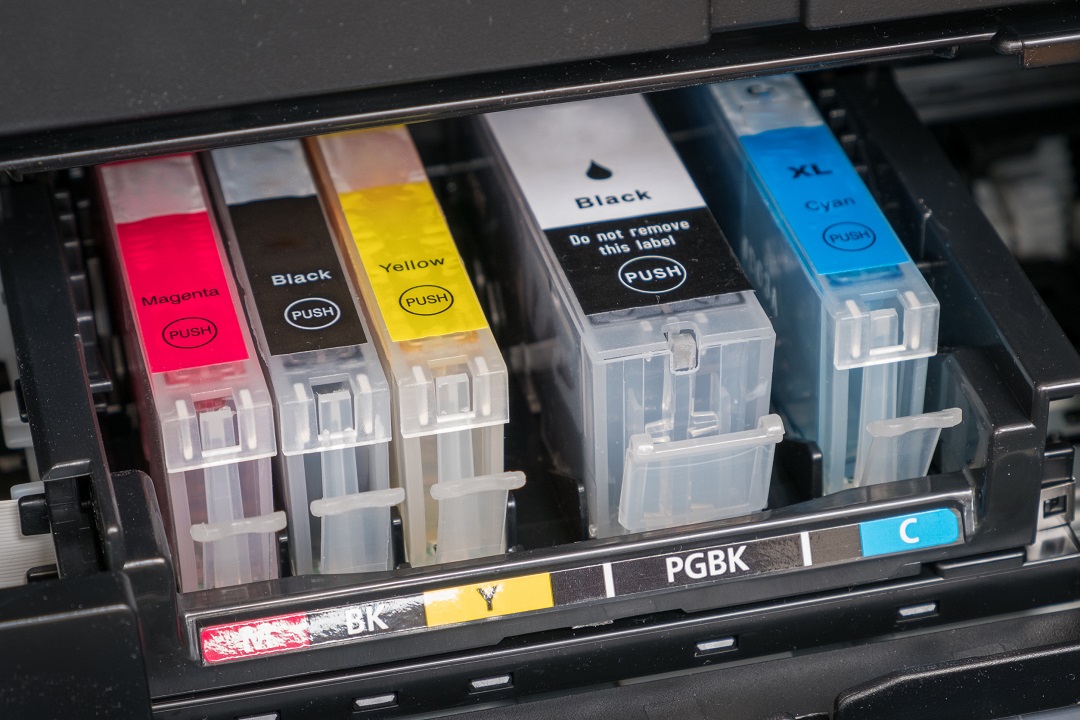
OEM (Original Equipment Manufacturer) printer ink is notoriously expensive, but third-party or generic ink cartridges can provide similar print quality at a fraction of the cost. Ensure compatibility with your printer model before purchasing. Using third-party ink can drastically reduce your printing costs. Look for reputable brands and read reviews to find reliable options that won’t compromise your print quality.

9. Reading Glasses

Designer reading glasses can be costly, but inexpensive drugstore versions provide the same functionality. Many people buy multiple pairs to keep around the house, in the car, and at work. Purchasing budget-friendly reading glasses allows you to have spares without worrying about losing or damaging the expensive versions. Look for styles that suit your needs and taste without the designer price tag.

10. Cooking Utensils

High-end cooking utensils and gadgets are often no better than their cheaper counterparts. Basic tools like spatulas, whisks, and measuring cups from budget brands perform just as well for everyday cooking. Investing in affordable, durable cooking utensils can equip your kitchen without draining your wallet. Focus on essential items that are well-reviewed and made from quality materials.

11. Water Filters

Brand-name water filters can be expensive, but generic versions that meet the same filtration standards are available at lower prices. Ensure that the generic filters are certified to remove the same contaminants. Switching to generic water filters can help maintain water quality while saving money. Regularly replacing filters as recommended ensures optimal performance and health benefits.

12. Workout Gear

Expensive athletic brands often charge premium prices for workout clothes and gear, but budget-friendly alternatives offer similar performance and comfort. Look for items made from moisture-wicking, breathable fabrics without the high price tag. Affordable workout gear allows you to stay active and stylish without overspending. Shopping at discount retailers or during sales can help you build a versatile workout wardrobe on a budget.

13. Pet Food

Premium pet food brands market themselves as superior, but many affordable options provide balanced nutrition and quality ingredients. Consulting with your vet can help you choose a cost-effective and healthy diet for your pet. Choosing a budget-friendly pet food can ensure your furry friend stays healthy without breaking the bank. Compare ingredient lists and nutritional content to find the best value.

14. Furniture and Home Décor

Designer furniture and décor pieces can be prohibitively expensive, but many stores offer stylish and durable alternatives at a fraction of the cost. Budget-friendly retailers and second-hand stores provide great options for decorating your home. Finding affordable furniture and décor allows you to create a beautiful living space without overspending. Look for sales, clearance items, and gently used pieces to maximize your savings.

15. Sunglasses

High-end sunglasses come with a hefty price tag, but budget-friendly options often provide similar UV protection and style. Many inexpensive brands offer polarized lenses and fashionable designs. Choosing affordable sunglasses means you can own multiple pairs for different occasions without the fear of losing or damaging an expensive pair. Ensure the sunglasses offer adequate UV protection for eye safety.

Making Smarter Purchasing Decisions

Opting for underpriced items instead of their more expensive versions can significantly impact your budget without sacrificing quality. By being mindful of your purchases and researching alternatives, you can save money and still enjoy high-quality products. Remember, a higher price tag doesn’t always mean better value. Make smarter choices and watch your savings grow while still enjoying the benefits of well-made, reliable items.

[Read more…]

12 Things You Should Always Do When You Move to a New City

moving to new city

Moving to a new city can be both exhilarating and overwhelming. Whether you’re moving for a job, school, or just a fresh start, there are essential steps you should take to make your transition smoother. Here are 12 things you should always do when you move to a new city.

1. Research Your New Neighborhood

new neighborhood

Before you even set foot in your new city, spend time researching the neighborhood you’ll be living in. Look into the local amenities, safety, and convenience. Find out where the nearest grocery stores, pharmacies, and hospitals are. This will help you feel more comfortable and prepared for your move.

2. Get Acquainted with Public Transportation

public transportation

Understanding the public transportation system when you move to a new city is crucial. Whether it’s buses, trains, or subways, knowing how to get around will save you time and money. Download local transit apps and consider getting a transit pass. This way, you’ll avoid the stress of navigating the city and can explore more freely.

3. Update Your Address and Essential Records

update address

One of the first things you should do is update your address with the postal service, your bank, and any subscription services. Notify your employer and any relevant institutions of your new address. Also, transfer your driver’s license and vehicle registration if applicable. This ensures you won’t miss any important mail and are legally compliant in your new city.

4. Explore Local Culture and Cuisine

museum

Diving into the local culture can make your transition much more enjoyable. Visit museums, attend local festivals, and try the regional cuisine. This will help you understand and appreciate the city’s unique character. Plus, you’ll start to feel like a local much quicker.

5. Meet Your Neighbors

meeting neighbors

Introducing yourself to your neighbors can significantly ease your transition. Not only can they offer valuable advice about the area, but they can also become friends. Attend neighborhood events or simply knock on doors to say hello. Building these relationships can create a sense of community and belonging.

6. Join Local Groups and Organizations

book club

Joining clubs or organizations that match your interests is a fantastic way to meet new people. Whether it’s a sports team, a book club, or a professional group, these settings provide an excellent opportunity to build connections. Check out social media or community boards for group information. Being active in such groups can help you form meaningful relationships quickly.

7. Find a Reliable Healthcare Provider

doctor

Finding a healthcare provider should be a top priority when you move to a new city. Research local doctors, dentists, and specialists. Read reviews and ask for recommendations to find the best options. Make sure to check with your insurance that your new providers are in-network. Establishing care early ensures you’re prepared in case of any health issues.

8. Set Up Utilities and Home Services

set up home services

Ensure that your new home is fully functional by setting up utilities and home services. Contact local providers to establish electricity, water, gas, and internet services. Don’t forget about trash collection and any other essential services. Doing this ahead of time will make moving to a new city much smoother.

9. Familiarize Yourself with Local Laws and Regulations

local laws

Each city has its own set of laws and regulations, from parking rules to recycling protocols. Take the time to learn about these to avoid any legal issues. This is particularly important if you have pets or plan to renovate your home. Knowing the rules will help you adapt more easily and stay out of trouble.

10. Establish a Routine

jogging

Creating a routine can provide a sense of normalcy and stability in your new environment. Establish daily habits like morning jogs, coffee shop visits, or weekly grocery shopping. This not only helps you adjust but also allows you to discover local spots and settle into your new community. A routine can make your new city feel more like home.

11. Stay in Touch with Old Friends

video chat friend

While making new friends is important, don’t forget to maintain relationships with those you left behind. Regular calls, video chats, and visits can keep these bonds strong. This support network can be invaluable during your transition period. Staying connected helps balance the excitement of new experiences with the comfort of familiar ones.

12. Be Patient and Give Yourself Time

new city

Adjusting to a new city takes time, and it’s essential to be patient with yourself. There will be moments of loneliness and uncertainty, but these are part of the process. Allow yourself to gradually adapt to your new surroundings and find your rhythm. Remember, it’s okay to feel out of place initially; it’s all part of the journey.

Embracing the Change of Moving to a New City

moving to new city

Making a move to a new city is a significant life change that requires careful planning and an open mind. By following these steps, you can ease your transition and start enjoying your new environment sooner. Embrace the adventure, meet new people, and explore all that your new city has to offer. With time, patience, and effort, you’ll soon feel right at home.

Read More

Family Adventures: Planning Memorable Trips with Kids of All Ages

10 Reasons You Should Reconsider Plastic Surgery