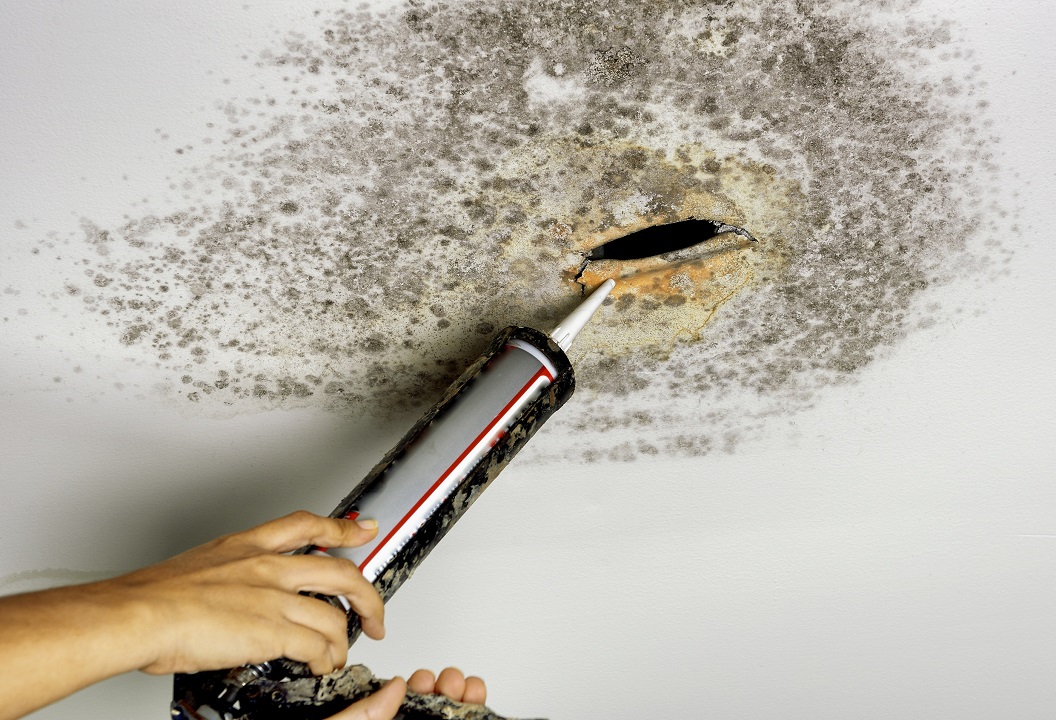
 Mold contamination in your home is not just an unsightly problem; it can also pose serious health risks. Mold spores can cause respiratory issues, allergic reactions, and other health problems, especially for those with weakened immune systems. Identifying the signs of mold contamination early can help you take the necessary steps to address the issue and maintain a healthy living environment. Here are 13 warning signs that your home might be contaminated with mold.
1. Musty Odor
 A persistent musty odor is often one of the first signs that your home is contaminated with mold. This distinct smell is caused by the release of microbial volatile organic compounds (MVOCs) produced by mold as it grows and reproduces. Even if you can’t see the mold, the smell can indicate its presence. If you notice a musty smell in your home, especially in damp or humid areas like basements, bathrooms, or kitchens, it’s essential to investigate further. Ignoring the odor can lead to more extensive mold growth and potential health issues.
2. Visible Mold Growth
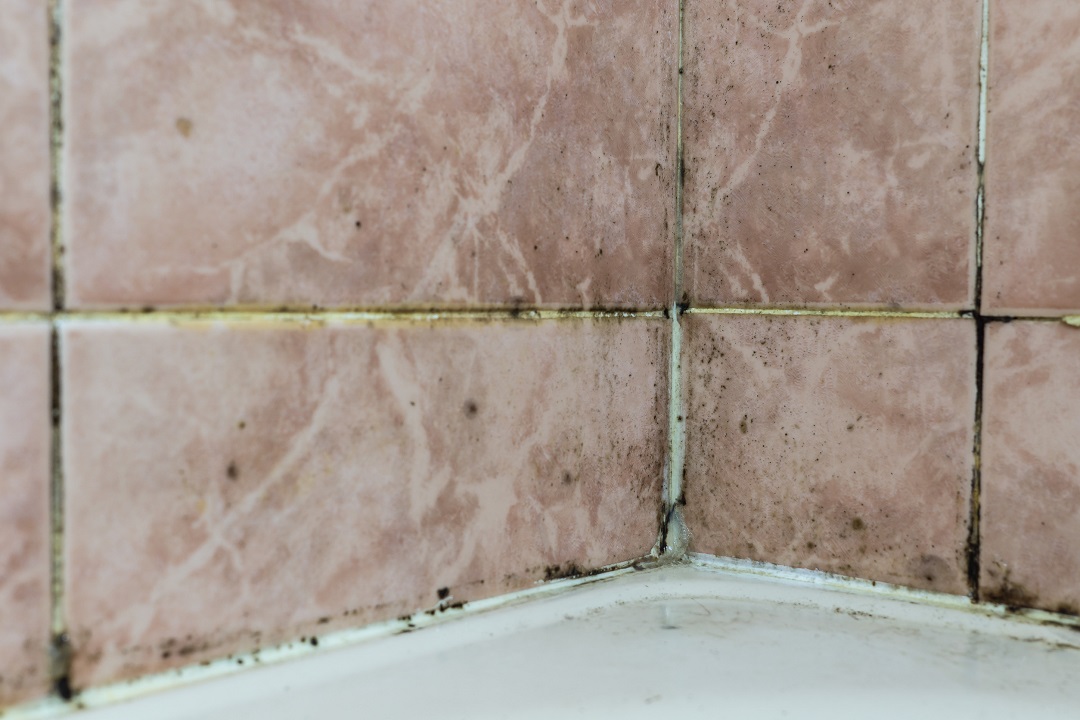 Visible mold growth is an obvious sign of contamination. Mold can appear in various colors, including black, green, white, and orange. It often looks like spots or patches and can grow on walls, ceilings, floors, and other surfaces. Even if the mold growth seems minor, it’s crucial to address it promptly. Small patches can quickly spread and become a more significant problem, requiring extensive remediation efforts.
3. Water Stains and Discoloration
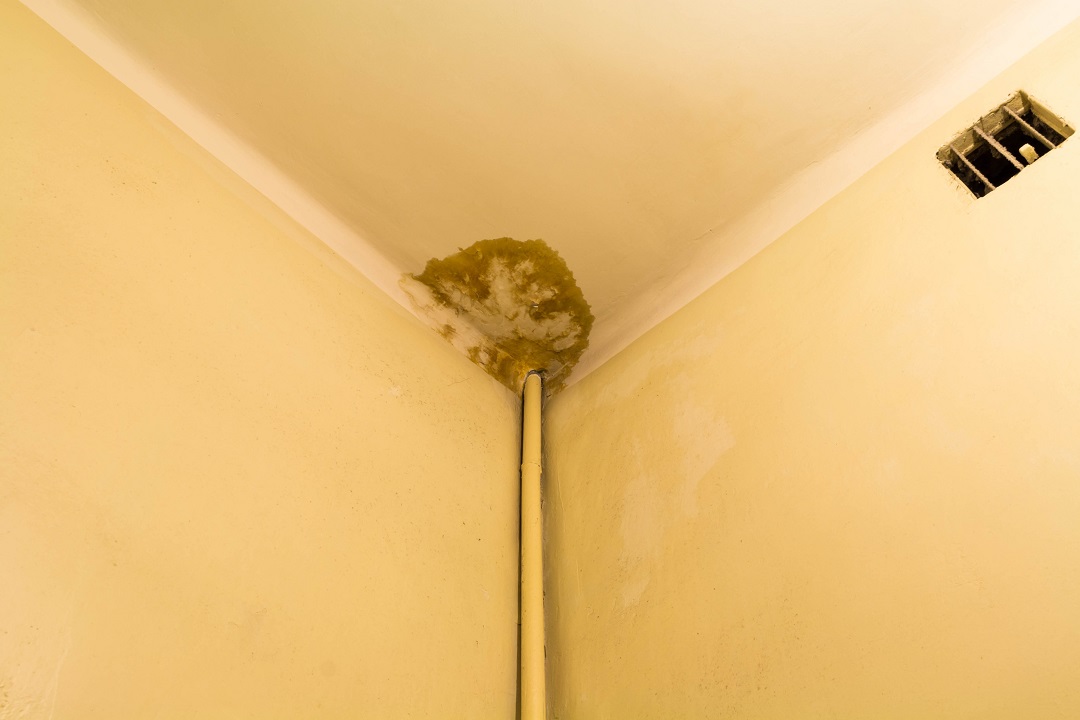 Water stains or discoloration on walls, ceilings, or floors can indicate a moisture problem, which often leads to mold growth. These stains may appear yellow, brown, or green and are typically a result of water leaks or condensation. If you notice water stains or discoloration, it’s essential to identify and fix the source of the moisture. Addressing the underlying issue can help prevent mold from developing or spreading further.
4. Peeling or Bubbling Paint and Wallpaper
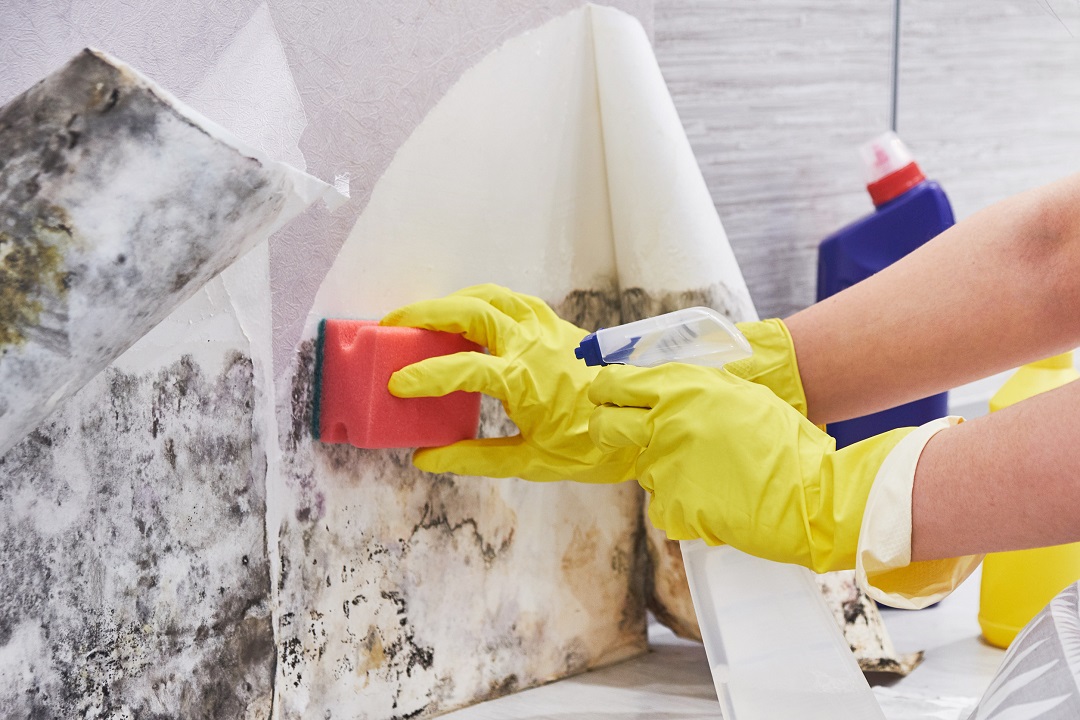 Peeling or bubbling paint and wallpaper can be a sign of excess moisture in your home, which creates an ideal environment for mold growth. Moisture can cause the adhesive holding the paint or wallpaper to weaken, leading to visible damage. Inspecting areas with peeling or bubbling paint and wallpaper for mold is crucial. Repairing the moisture issue and replacing damaged materials can help prevent mold contamination.
5. Allergic Reactions
 Experiencing unexplained allergic reactions, such as sneezing, runny nose, itchy eyes, or skin rashes, can be a sign of mold contamination. Mold spores can trigger allergic responses in sensitive individuals, even if the mold is not visible. If you or your family members experience persistent allergic symptoms, it may be worth investigating your home for mold. Consulting with a medical professional and conducting a mold inspection can help identify the cause of the reactions.
6. Respiratory Issues
 Mold spores can cause respiratory problems, including coughing, wheezing, and shortness of breath. These symptoms can be particularly severe for individuals with asthma or other preexisting respiratory conditions. If you notice an increase in respiratory issues, especially when spending time at home, it’s essential to check for mold contamination. Addressing the mold problem can help alleviate these symptoms and improve indoor air quality.
7. Condensation on Windows and Walls
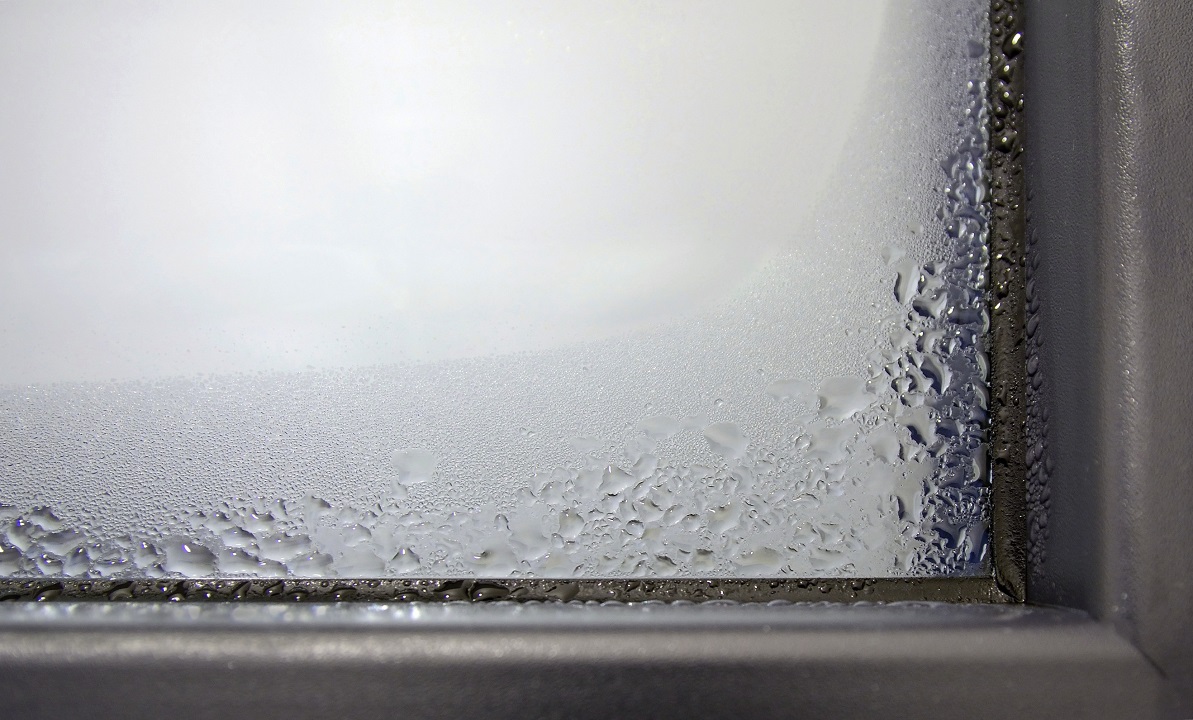 Excessive condensation on windows and walls is a sign of high humidity levels in your home. High humidity creates a conducive environment for mold growth, especially in areas with poor ventilation. Reducing humidity levels through the use of dehumidifiers, proper ventilation, and addressing sources of moisture can help prevent mold growth. Regularly checking for condensation and taking preventive measures are essential for maintaining a mold-free home.
8. Warped or Buckled Floors
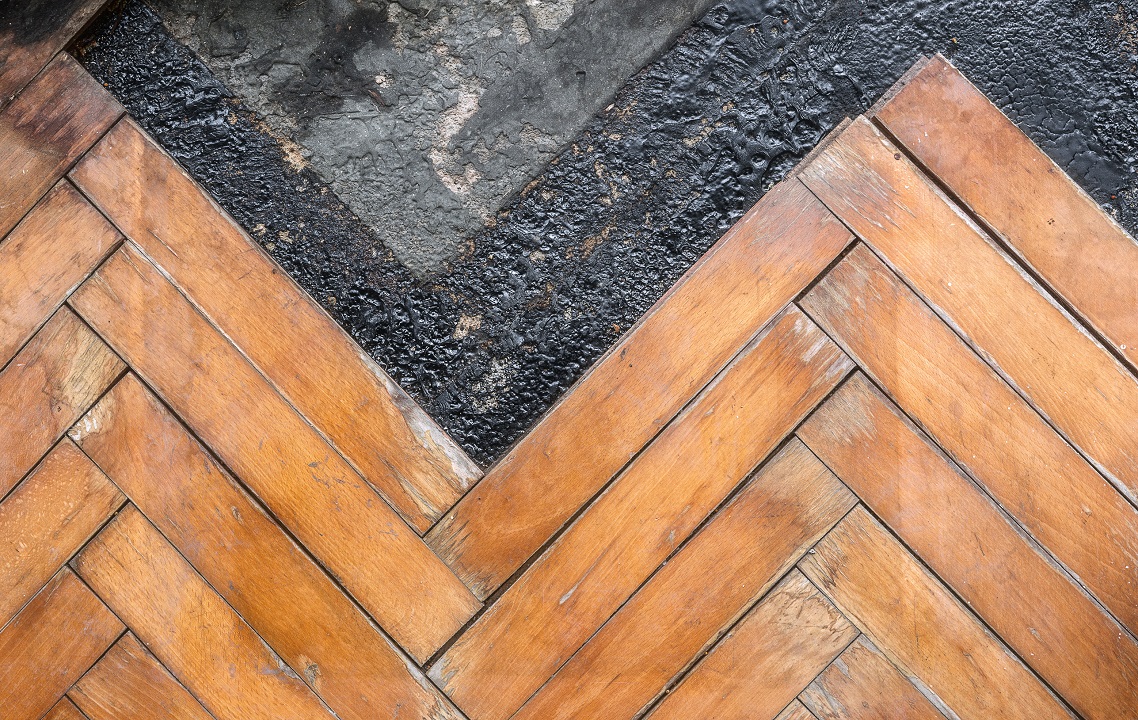 Warped or buckled floors can indicate water damage, which often leads to mold growth. Moisture can seep into the flooring material, causing it to swell and deform over time. If you notice any changes in your flooring, it’s important to investigate the cause and address any moisture issues. Replacing damaged flooring and ensuring proper moisture control can help prevent mold contamination.
9. Health Symptoms Improve When Away from Home
 If you or your family members notice that health symptoms, such as allergies or respiratory issues, improve when away from home, it could be a sign that your home is contaminated with mold. The presence of mold in your home can cause continuous exposure to mold spores, leading to persistent health problems. Consulting with a medical professional and conducting a thorough mold inspection can help identify and address the issue, improving overall health and well-being.
10. Increased Humidity Levels
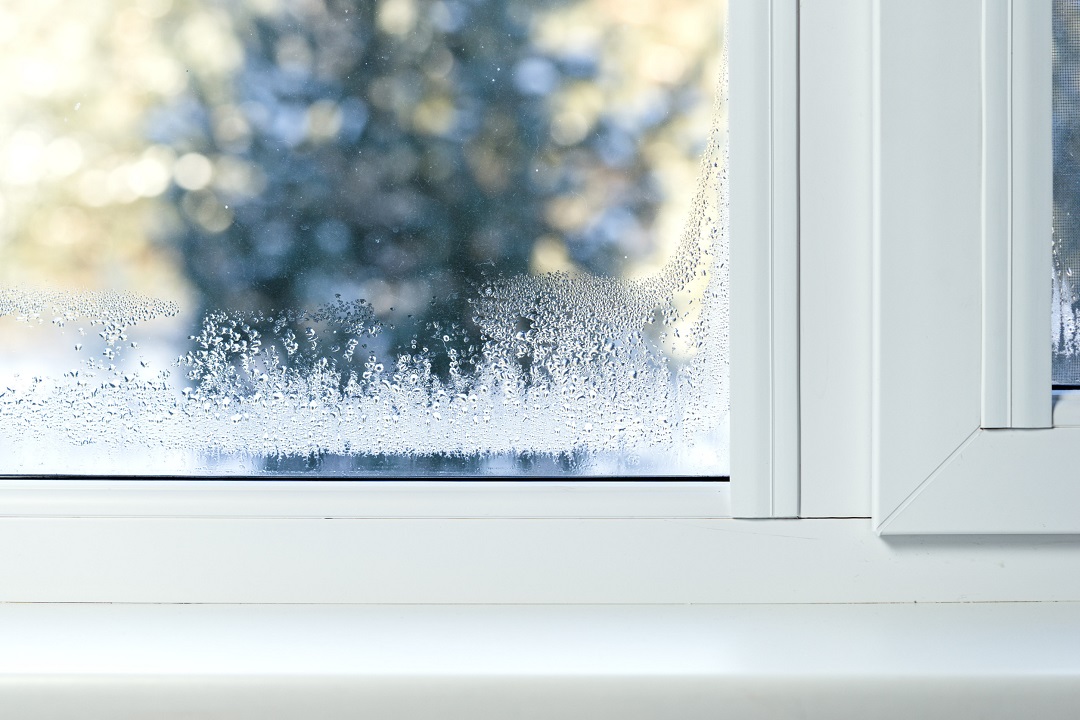 Consistently high humidity levels in your home can create a perfect environment to be contaminated with mold. Using a hygrometer to measure indoor humidity can help you monitor and maintain optimal levels (between 30% and 50%). If you find that your home has high humidity levels, taking steps to reduce moisture through dehumidifiers, proper ventilation, and fixing leaks can prevent mold growth and improve indoor air quality.
11. Rust or Corrosion on Pipes
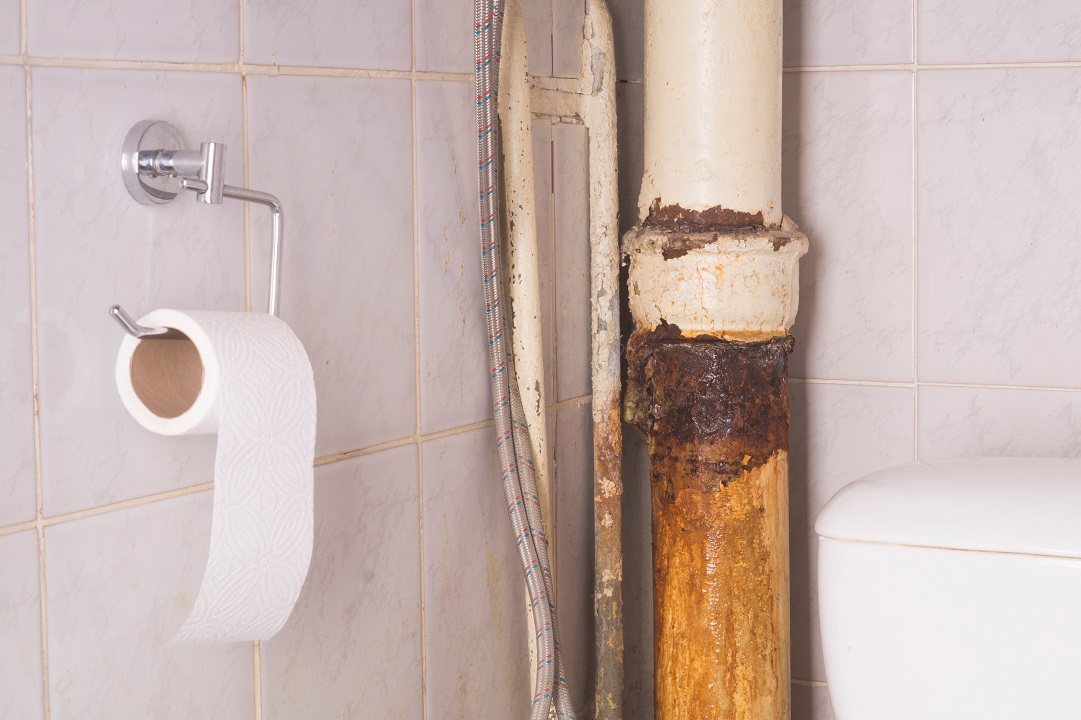 Rust or corrosion on pipes can indicate a moisture problem, which can lead to mold growth. Moisture from leaky or corroded pipes can create damp conditions that promote mold development. Regularly inspecting and maintaining your plumbing system can help prevent leaks and moisture buildup. Addressing any issues promptly can reduce the risk of mold contamination.
12. Previous Water Damage
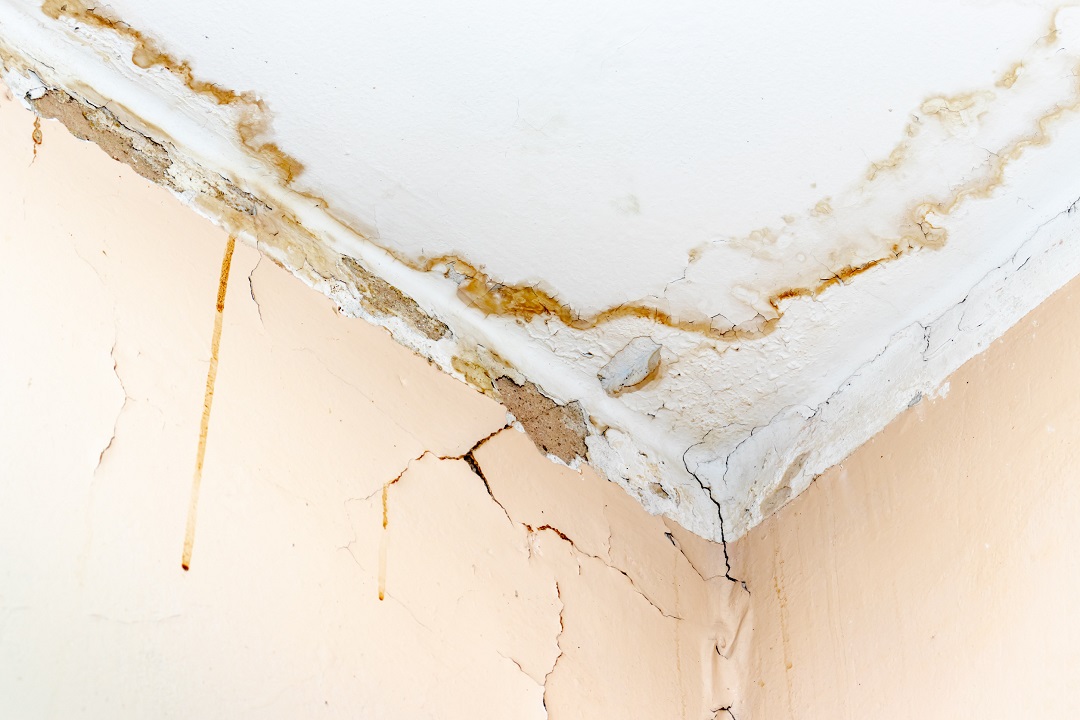 Homes that have experienced previous water damage are at a higher risk to be contaminated with mold. Even if the water damage was addressed, lingering moisture or hidden mold spores can lead to future growth. If your home has a history of water damage, it’s crucial to conduct regular inspections for mold. Using moisture meters and professional mold testing can help detect any hidden issues and prevent further contamination.
13. Unexplained Musty Smells in Specific Areas
 Musty smells confined to specific areas of your home, such as a basement or attic, can indicate localized mold growth. These areas are often prone to higher humidity and less ventilation, making them ideal environments to be contaminated with mold. Investigating and addressing the source of the musty smell can help identify and remediate mold growth. Ensuring proper ventilation and moisture control in these areas can prevent future mold problems.
Ensuring a Healthy Living Environment
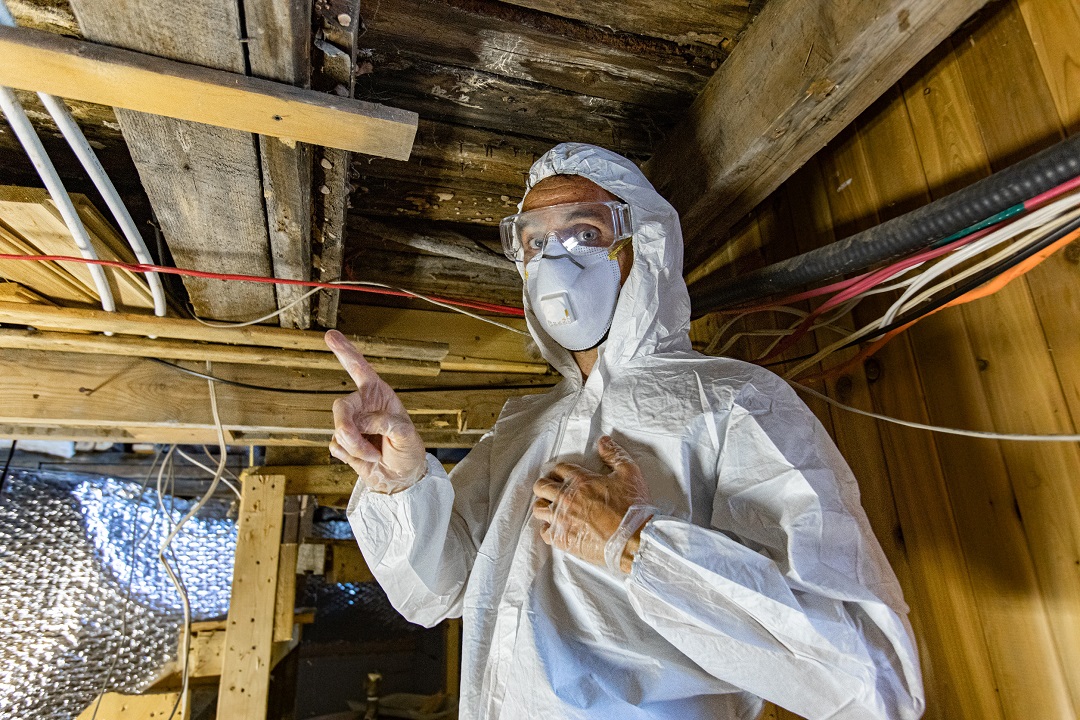 Identifying the warning signs that your home is contaminated with mold is crucial for maintaining a healthy living environment. Mold can cause serious health issues and structural damage if left unaddressed. By being vigilant and proactive, you can detect mold early and take the necessary steps to remediate it. Regular inspections, proper moisture control, and professional assistance when needed can help ensure that your home remains mold-free and safe for you and your family. Remember, maintaining a healthy home environment starts with awareness and prompt action.