12 Personality Traits That Indicate You Might Be Seen as Arrogant

arrogant

In the intricate tapestry of human interactions, our personalities serve as the threads that weave the fabric of our social connections. However, not all threads are perceived equally. Some personality traits, when amplified or unchecked, can lead to perceptions of arrogance. While arrogance itself is often viewed negatively, recognizing the traits that contribute to it is the first step toward fostering healthier and more harmonious relationships. Here are 12 personality traits to look out for if you don’t want to be perceived as arrogant.

1. Overconfidence

overconfidence

Overconfidence is a trait characterized by an excessive belief in one’s abilities or judgments. When coupled with arrogance, this overconfidence can manifest as an unwavering sense of superiority and self-importance. Arrogant individuals may constantly boast about their achievements and talents, often exaggerating their successes. This combination of overconfidence and arrogance can lead to dismissive attitudes towards others and a lack of humility in acknowledging limitations or mistakes.

2. Dismissiveness

dismissive

Arrogance often manifests through dismissiveness, where individuals disregard the opinions or contributions of others. This dismissive behavior stems from a sense of superiority, as arrogant individuals may believe their own ideas are inherently more valuable. They may interrupt or belittle others during discussions, demonstrating a lack of respect for differing viewpoints. Arrogant individuals may also convey disinterest through body language or facial expressions, further alienating those around them. This dismissiveness not only undermines collaboration and teamwork but also damages relationships by diminishing the perceived value of others’ contributions.

3. Grandiosity

grandiosity

Grandiosity, characterized by excessive boasting, exaggeration of accomplishments, or a constant need for validation, is a hallmark of arrogance. Those who constantly seek to elevate their own importance at the expense of others risk alienating those around them. If you don’t want to be perceived as arrogant, try to exercise humility in your relationships. Genuine humility involves recognizing and celebrating achievements without overshadowing the contributions of others.

4. Impatience

zip it

Impatience is a common trait among arrogant individuals, who often perceive their time as more valuable than others’. They may exhibit impatience in various contexts, such as interrupting others during conversations or expressing frustration when results are not immediate. This impatience stems from a sense of entitlement and superiority, as arrogant individuals may believe that they deserve instant gratification or swift resolution to their needs. Their lack of tolerance for delays or setbacks can create tension in interpersonal relationships and hinder effective collaboration. Overcoming impatience requires developing empathy and understanding for others’ perspectives and recognizing the value of patience in achieving long-term goals.

5. Inflexibility

inflexible

Arrogant individuals often demonstrate inflexibility by stubbornly adhering to their own opinions and dismissing alternative viewpoints. They may refuse to consider new information or perspectives that challenge their existing beliefs, leading to closed-mindedness. This rigidity can create barriers to effective communication and collaboration, hindering personal growth and innovation. Arrogant individuals may prioritize maintaining control or dominance in discussions, unwilling to compromise or entertain ideas that contradict their own. Ultimately, their inflexibility can contribute to strained relationships and a lack of progress in both personal and professional spheres.

6. Dominance

dominance

Dominance, in the context of arrogance, refers to the need to assert control or superiority over others in social interactions. Arrogant individuals often exhibit dominant behaviors such as monopolizing conversations, disregarding others’ opinions, or imposing their will on group decisions. This need for dominance stems from a deep-seated insecurity or a desire to validate one’s sense of self-worth by exerting power over others. However, this behavior can breed resentment and alienation among peers, ultimately undermining the arrogant individual’s social standing and credibility. Cultivating humility and fostering genuine collaboration rather than dominance can lead to more harmonious and mutually beneficial relationships.

7. Competitiveness

competitive

While healthy competition can drive growth and innovation, unchecked competitiveness can morph into arrogance. Constantly striving to outperform others or seeking validation through comparison can alienate peers and foster a toxic environment. Individuals driven by competitiveness may prioritize winning over collaboration or cooperation, viewing life as a zero-sum game where their success necessitates the failure of others. This mindset can lead to behaviors such as undermining colleagues, excessive risk-taking, and a focus on short-term gains rather than long-term sustainability. Embracing collaboration and celebrating collective successes can help temper perceptions of arrogance.

8. Narcissism

narcissism

Narcissism is a personality trait characterized by a heightened sense of self-importance, a constant need for admiration, and a lack of empathy for others. Individuals with narcissistic tendencies often prioritize their own needs and desires above all else, viewing themselves as superior to those around them. This sense of superiority can manifest in various behaviors that contribute to perceptions of arrogance. Narcissistic individuals tend to engage in self-aggrandizement, constantly boasting about their achievements and talents while downplaying or dismissing the accomplishments of others. They seek validation and admiration from others to reinforce their inflated self-image, often fishing for compliments or seeking out situations where they can be the center of attention. Furthermore, narcissists have difficulty empathizing with others and understanding their perspectives.

9. Entitlement

entitlement

Entitlement is a personality trait characterized by a belief that one deserves special treatment, privileges, or recognition without necessarily earning them. Individuals with a strong sense of entitlement often expect others to cater to their needs and desires, regardless of the impact on others or the fairness of the situation. This sense of entitlement can contribute to perceptions of arrogance in several ways. Entitled individuals may exhibit behaviors that prioritize their own interests and desires above those of others.  Addressing entitlement involves developing a greater sense of empathy and consideration for others, as well as recognizing the value of earning privileges and treating others with respect and fairness.

10. Lack of Humility

no humility

Arrogance often stems from a lack of humility. A lack of humility denotes an absence of modesty, self-awareness, and the willingness to acknowledge one’s limitations or mistakes. Individuals who lack humility often exhibit a sense of superiority or self-importance, believing themselves to be inherently better or more deserving than others. This can lead to behaviors such as boasting, arrogance, and a reluctance to listen to differing viewpoints. Furthermore, a lack of humility can hinder personal growth and damage relationships by fostering resentment and alienation. Cultivating humility involves recognizing the value of others, admitting when one is wrong, and embracing a mindset of continuous learning and self-improvement.

11. Insecurity

insecurity

Paradoxically, insecurity can sometimes manifest as arrogance, as individuals overcompensate by projecting an air of superiority. Insecurity is a complex emotional state characterized by feelings of inadequacy, self-doubt, and a lack of confidence in oneself. Individuals who experience insecurity often harbor fears of rejection, failure, or judgment from others, leading to a persistent sense of anxiety or unease. This can manifest in various ways, such as seeking constant validation from others, avoiding challenges or risks to protect one’s self-image, or engaging in self-sabotaging behaviors out of fear of failure. Insecurity can also fuel comparison with others, as individuals may constantly measure their worth against external standards, leading to feelings of envy or inferiority. Addressing underlying insecurities and building self-confidence through healthy means can help mitigate this perception of arrogance.

12. Closed-mindedness

closed-minded

Close-mindedness is a cognitive rigidity characterized by a reluctance or refusal to consider alternative perspectives, ideas, or viewpoints. Individuals who are close-minded often cling rigidly to their own beliefs, dismissing or rejecting any information that contradicts their existing worldview. This can lead to intellectual stagnation, hinder personal growth, and impede constructive dialogue and collaboration with others. Overcoming close-mindedness requires openness to new ideas, a willingness to challenge one’s own assumptions, and cultivating a curiosity-driven approach to learning and problem-solving.

Avoiding Coming Off as Arrogant

arrogant

Recognizing these personality traits and actively working to cultivate humility and empathy can help individuals mitigate perceptions of arrogance and foster more positive and constructive relationships. Self-awareness is the first step in working on yourself. Remember, it’s never to late to turn a new leaf.

Read More

16 Things People in the 2040s Will Find Bizarre About Today

9 Reasons Baby Boomers Are Choosing Cohabitation Over Marriage

Travel Costs: 10 Sneaky Ways Airlines Take More of Your Money

airline fees

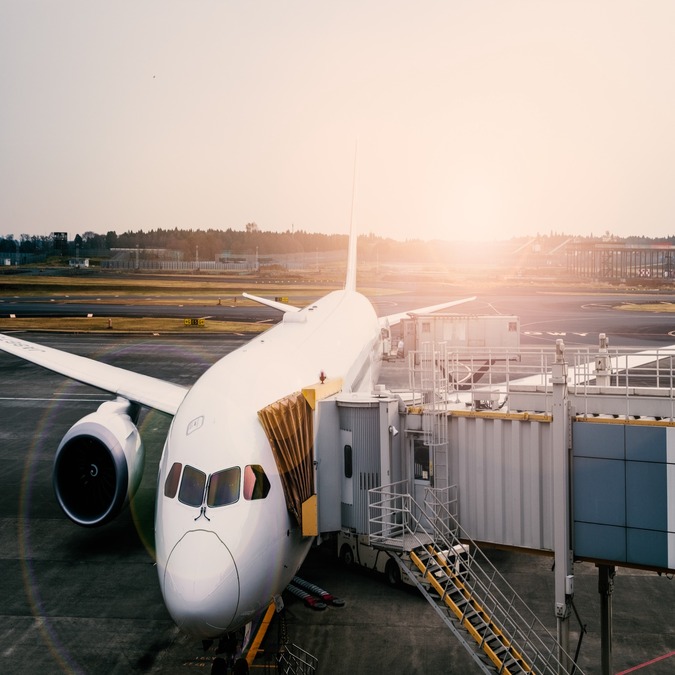
Flying has become a fundamental aspect of modern travel, enabling people to traverse vast distances quickly and efficiently. However, the seemingly straightforward process of booking a flight often conceals various hidden costs and fees that can significantly inflate the overall price of air travel. Airlines employ a range of tactics to extract more money from passengers, ranging from obscure airline fees to strategic pricing strategies. Here, we uncover ten sneaky ways airlines take more of your money.

1. Baggage Fees

baggage fees

Baggage fees have become a ubiquitous aspect of air travel, representing a significant revenue stream for airlines worldwide. These baggage fees earned the world’s largest airlines an estimated $33.3 billion in 2023. A 15% increase from 2022, according to a report from airline revenue consultancy, IdeaWorks.

While some carriers may still include checked baggage in the ticket price, the majority now charge additional airline fees for various types of luggage, including checked bags, carry-on items, and oversized or overweight items. These fees, often overlooked by travelers during the booking process, can substantially increase the overall cost of air travel, particularly for passengers with multiple bags or those unfamiliar with the airline’s baggage policies.

2. Seat Selection Fees

seat selection fees

Want to choose your seat in advance? Be prepared to pay extra. Airlines often charge fees for selecting specific seats, such as seats with extra legroom or those in preferred locations like exit rows or bulkhead seats. By monetizing seat selection, airlines capitalize on passengers’ preferences for comfort and convenience. Similar to ticket fares, seat selection fees may be subject to dynamic pricing algorithms that adjust prices based on factors such as demand, time of booking, and seat availability. This means that seat selection fees can fluctuate over time, with prices potentially increasing closer to the departure date or during peak travel periods.

3. Priority Boarding

boarding

For travelers eager to board the plane early and secure overhead bin space, airlines offer priority boarding as an optional add-on. Passengers pay extra for the privilege of boarding ahead of others, a tactic that appeals to those seeking to avoid the hassle of jostling for space in the overhead compartments. For airlines, priority boarding represents a revenue-generating opportunity, with passengers willing to pay extra for the added convenience and benefits it provides. By monetizing priority boarding, airlines can offset operating costs, improve revenue streams, and enhance the overall profitability of their operations.

4. In-Flight Amenities

airline fees

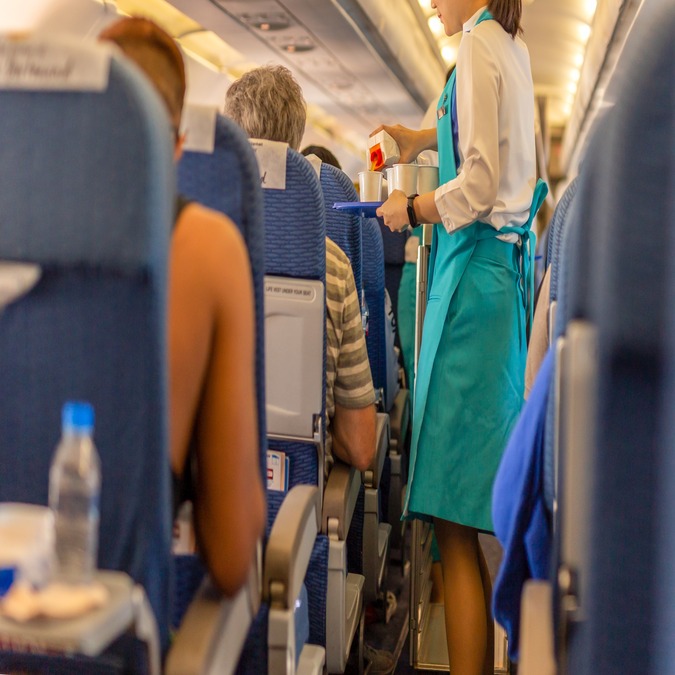
While complimentary snacks and beverages were once standard on flights, many airlines now charge for these amenities, especially on shorter flights or budget carriers. In-flight entertainment, such as movies, Wi-Fi access, and premium TV shows, often come with additional fees, further monetizing the onboard experience. Many airlines also try to sell you on credit cards in-flight. While these credit cards are tempting, many have annual fees and blackout dates for redeeming frequent flyer miles. Altogether, in-flight amenities only add to exorbitant airline fees.

5. Change and Cancellation Fees

airline fees

Need to modify your travel plans? Airlines typically impose hefty change and cancellation fees for altering flight dates or canceling bookings. These fees can sometimes exceed the cost of the original ticket, discouraging passengers from making changes and providing airlines with an additional source of revenue. Furthermore, airlines don’t make the change or cancellation process easy for passengers, further exacerbating the problem.

6. Fuel Surcharges and Taxes

hidden fees

In addition to the base fare, travelers may encounter fuel surcharges and various taxes added to their ticket price. These surcharges, which ostensibly cover fluctuations in fuel prices, can significantly inflate the overall cost of air travel, particularly on international flights. While these charges may seem arbitrary, fuel surcharges are regulated by the Department of Transportation, which means passengers must be informed of how fees are calculated. To get around this, some airlines have changed their fuel surcharges to carrier-imposed fees, allowing them to charge you how they choose.

7. Dynamic Pricing

booking flight

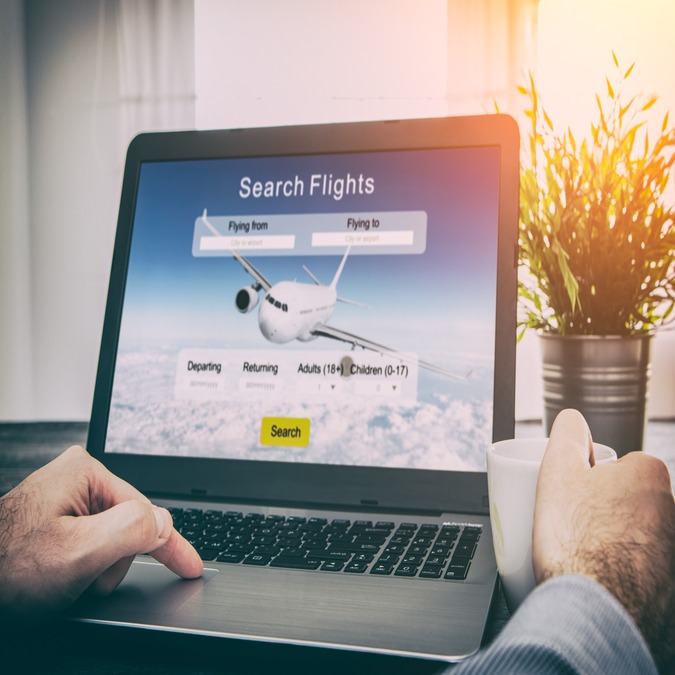
Airlines employ dynamic pricing algorithms that adjust ticket prices based on demand, time of booking, and other factors. This means that fares can fluctuate widely, sometimes within a matter of hours or days. Savvy travelers may be able to snag deals by booking during off-peak times, but others may find themselves paying premium prices during peak travel seasons. There are many tools that allow you to set travel alerts for flights so that you can score the best price. You can also look on travel sites like Priceline and Expedia for deals, as opposed to booking directly through the airline.

8. Ancillary Revenue Streams

airline fees

Beyond ticket sales, airlines generate revenue through a myriad of ancillary services and products, including travel insurance, airport lounge access, and in-flight duty-free shopping. These optional extras entice passengers with added convenience or luxury, often at a premium price. Airlines will also try to sell you on credit cards while in-flight, usually touting free miles upon sign-up. While these cards can offer a lot of perks, make sure to read the fine print before signing up because many have annual fees and blackout dates for redeeming frequent flyer miles.

9. Hidden Fees and Surcharges

hidden fees

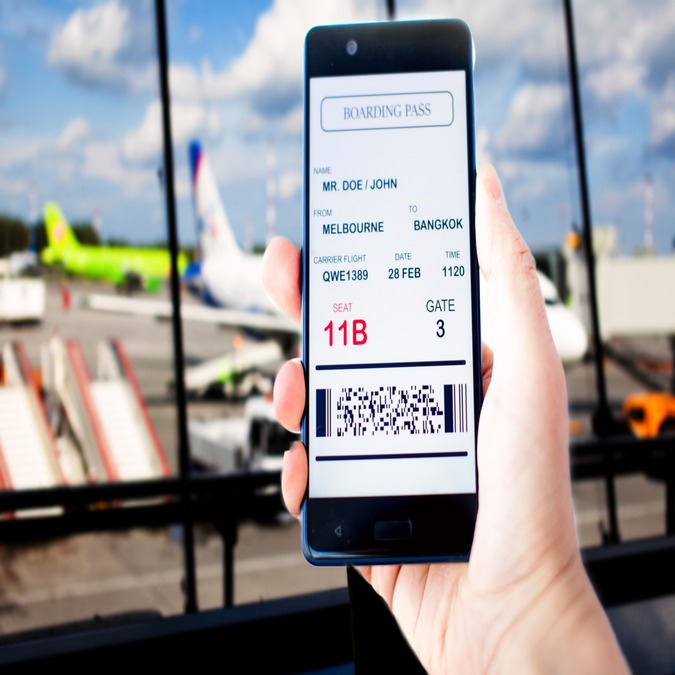
In their quest to maximize revenue, airlines may levy a plethora of hidden fees and surcharges that catch passengers off guard. These fees can include booking fees, credit card surcharges, and even fees for printing boarding passes at the airport. Even booking your flights online can cost you. Allegiant charges passengers $22 for electronic usage. If you want to work around this fee, you’ll have to book your flight in person. Thoroughly reviewing the terms and conditions before booking can help travelers avoid these unexpected charges.

10. Opaque Pricing

boarding pass

Despite regulations requiring transparency in pricing, airlines sometimes employ opaque pricing tactics that obscure the true cost of air travel. By breaking down the fare into multiple components and presenting optional add-ons separately, airlines create the illusion of lower base fares while tacking on additional fees throughout the booking process. The result is a final total price that is far from the low base fare you thought you were getting. Ultimately, there is no way to challenge these additional fees, but it instead becomes just part of the cost of flying.

Navigating Airline Pricing

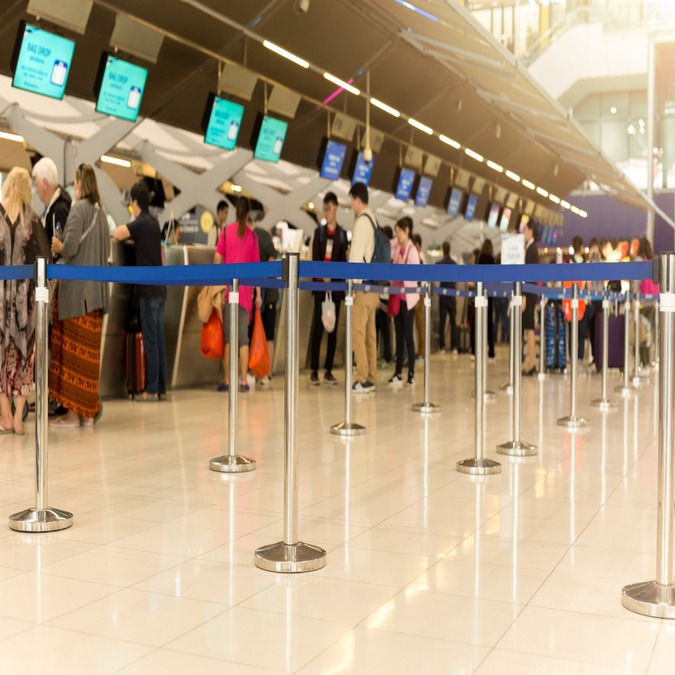
waiting at airport

Navigating the complex landscape of airline pricing and fees requires vigilance and savvy on the part of travelers. By understanding the various ways airlines extract more money from passengers, travelers can make informed decisions, avoid unnecessary fees, and ultimately enjoy a smoother and more cost-effective travel experience. With greater awareness, you can save money on hidden airline fees.

Read More

9 Reasons Baby Boomers Are Choosing Cohabitation Over Marriage

Life in the Fast Lane: 9 Time-Saving Hacks for a More Efficient Daily Routine

16 Things People in the 2040s Will Find Bizarre About Today

find bizarre about todayImagine stepping into the future and reflecting on today’s world from the viewpoint of the 2040s. Advances in technology, shifts in cultural norms, and new environmental policies will likely make many of today’s common practices and gadgets seem outdated or peculiar. Here, we explore 16 facets of our present existence that future generations might find bizarre about today, highlighting the ever-evolving nature of societal progress.

1. Owning and Driving Gasoline Cars

In the 2040s, the idea that people once predominantly drove gasoline-powered vehicles will likely seem as outdated as the horse and buggy does to us now. Future generations will marvel at the inefficiency and environmental impact of gas engines, especially as electric vehicles and possibly other advanced transportation technologies become the norm.

2. Using Physical Credit Cards and Cash

As digital payments continue to evolve, the concept of carrying physical wallets with cash and plastic cards might be a curious antiquity to people in the 2040s. They’ll likely use seamless biometric systems or advanced digital IDs for all transactions, making physical payment methods seem cumbersome and insecure.

3. Consuming Meat from Live Animals

Given the rise of plant-based diets and lab-grown meats, the traditional practice of consuming meat from animals might be viewed with disbelief or ethical disdain by 2040s standards. Future societies might consider today’s meat consumption practices both barbaric and environmentally unsustainable.

4. Smoking Cigarettes

As public health policies continue to push against smoking due to its health risks, the act of smoking tobacco might be particularly baffling to future generations, who will see it as a dangerous and unnecessary risk that was oddly tolerated by earlier societies.

5. Daily Commuting to Work 

The shift toward remote and flexible work arrangements might make the idea of daily commuting to an office seem outdated and inefficient. People in the 2040s might find the concept of rush hour traffic jams and crowded public transport to be a wasteful relic of the past.

6. Manual Driving

With autonomous vehicles expected to dominate the roads, the skill of driving might become rare or even obsolete. Future individuals might view manual driving the way we view manual typewriters: quaint, but impractical.

7. Privacy Concerns with Technology

As technology integrates deeper into personal and public life, the norms surrounding privacy might shift dramatically. The privacy concerns we grapple with today could be viewed as archaic or overly cautious by those accustomed to ubiquitous surveillance and data sharing in the 2040s.

8. Traditional Schooling Systems

The structure of sitting in classrooms for education might be replaced by more dynamic, technology-driven learning environments. Future generations may find the idea of physical classrooms, textbooks, and standardized tests to be limited and archaic.

9. Single-use Plastics

Given the current trends toward sustainability, the widespread use of single-use plastics in packaging and products will likely be regarded as environmentally reckless by future standards.

10. Cable Television

The concept of watching scheduled television programming via cable might be as peculiar to future generations as listening to serial radio shows is to us, with on-demand digital streaming becoming ever more prevalent.

11. Tanning Beds

Given the increased awareness of skin cancer risks, using tanning beds might be viewed as an unnecessary and risky vanity practice by the 2040s.

12. Large, Power-Hungry Home Appliances

Future appliance technology will likely focus on ultra-efficiency and minimal environmental impact. The bulky, energy-consuming appliances of today could seem wasteful and clumsy by comparison.

13. Fast Fashion

The fast fashion industry, with its rapid production cycles and wasteful practices, might be viewed with criticism for its environmental impact and labor practices, as future fashion becomes more sustainable and ethically sourced.

14. Landline Phones

Already becoming a rarity, landline phones might be viewed as an amusing historical anomaly, especially given the rapid evolution of mobile and virtual communication technologies.

15. Physical Media (DVDs, CDs)

Like VHS and cassette tapes before them, DVDs and CDs will likely be seen as inefficient storage methods for media, with digital and cloud storage fully taking over.

16. Heavy Textbooks

The use of heavy, printed textbooks for education may be seen as an unnecessary physical burden when digital alternatives offer dynamic, updateable, and portable learning options.

A Glimpse Into Tomorrow

Reflecting on what future generations might find bizarre about today offers us valuable insights into the areas where societal progress is expected or needed. It reminds us of the transient nature of technology and cultural norms, and how today’s cutting-edge can quickly become tomorrow’s history. As we look ahead, understanding these potential shifts can help us adapt and embrace a more sustainable and thoughtful approach to life and technology.

[Read more…]

15 Normal Things You Thought Were Fancy Because You Grew Up Poor

grew up poorThe context in which we grow up can profoundly affect how we view the world around us, including what we consider luxurious or extravagant. For those who grew up in low-income households, many commonplace items and experiences might have seemed out of reach or special. This list of 15 normal things highlights how relative the concept of luxury can be and sheds light on the small joys and perceived extravagances of those who grew up poor.

1. Eating Out at Restaurants

For many who grew up poor, dining at a restaurant was a rare and special event, reserved for important occasions like birthdays or graduations. The idea of not having to cook and getting to order food exactly how you like it felt like the height of luxury. As adults, the freedom to eat out casually can still carry a sense of novelty and indulgence.

2. Name Brand Cereals

In households where groceries were strictly budgeted, name-brand cereals, often with colorful boxes and familiar characters, seemed like a treat compared to generic or store brands. For kids who grew up poor, having a box of a popular cereal brand in the house felt like a special occasion.

3. Cable Television

Access to cable TV, with its plethora of channels and constant entertainment, was something of a rarity in financially constrained homes. Those who had it were often the envy of their friends. Today, even with the prevalence of streaming services, the concept of cable can still evoke a sense of luxury.

4. Air Conditioning

In many low-income households, air conditioning was considered an unnecessary luxury due to high energy costs. Thus, living in a home with central air or even a window unit was something extraordinary and highly valued during hot summers.

5. Going to the Movies

Seeing a film in a theater, with the big screen and surround sound, was an infrequent treat for those who grew up with little money. The entire experience, from the popcorn smell filling the lobby to the plush seats, felt incredibly fancy.

6. Store-Bought Bread

For families that baked their own bread to save money or relied on cheaper, day-old bakery items, purchasing fresh, store-bought bread was something special. The softness and taste of a freshly bought loaf could seem luxurious.

7. Owning Books

While public libraries were a valuable resource, actually owning books was a rare treat. New books, in particular, were prized possessions, often received as thoughtful gifts.

8. Branded Clothing

Wearing clothes from well-known brands, rather than hand-me-downs or no-name labels, was a notable status symbol among peers. Even a single item with a recognizable logo could boost one’s social standing.

9. Long-Distance Phone Calls

Before mobile phones and unlimited calling plans, long-distance calls were expensive and reserved for special occasions. Being able to talk freely without worrying about the minutes was a luxury.

10. Having a Dishwasher

For families where children were the dishwashers, having a mechanical dishwasher in the home was a sign of modern luxury and efficiency, streamlining a daily chore into a simple task.

11. Traveling by Plane

Air travel was, and often still is, the most expensive form of transportation. For children who grew up poor and rarely left their hometowns, flying was something celebrities and rich people did.

12. Fresh Fruits Out of Season

Having access to fresh fruits like strawberries or grapes year-round was uncommon due to the cost. Seasonal fruit was anticipated and savored, making off-season fruits feel particularly indulgent.

13. Private Lessons

Whether for music, sports, or academics, private lessons were a rarity given the expense. Those who could afford them often excelled, reinforcing the luxury of personalized instruction.

14. Professional Haircuts

Many kids grew up with haircuts at home to save money. Visiting a salon or a barber was a rare treat that often came with a sense of pampering.

15. Own Bedroom

For kids who shared rooms with siblings or even parents, having one’s own bedroom was something dreamed about but rarely experienced. It represented privacy and space, which were ultimate luxuries.

A Perspective on Privilege

Reflecting on these seemingly ordinary items and experiences as luxuries can provide insight into how much one’s upbringing shapes their views on wealth and comfort. Recognizing and appreciating the small luxuries in life can lead to a deeper understanding of personal finance and gratitude. This awareness can enrich one’s approach to spending and saving, fostering a greater appreciation for what one has achieved and what truly constitutes a luxurious life.

[Read more…]